
Parole conditions in South Africa are the rules a parolee must follow after being released from correctional centre custody before their sentence ends. Parole is not a pardon and it is not freedom. It is a form of conditional release, set under the Correctional Services Act 111 of 1998, that lets a sentenced offender serve the remainder of their sentence inside the community under supervision.
Parole conditions are set by the Correctional Supervision and Parole Board (CSPB) under section 75 of the Act, and the specific conditions a parolee is bound by are listed in section 52, which deals with conditions relating to community corrections. Common conditions include reporting to a correctional official, remaining at a fixed address, submitting to monitoring (including electronic monitoring), refraining from alcohol and drugs, and avoiding contact with specified people or places.
This guide explains what parole conditions typically apply in South Africa, who imposes them, what happens if they are breached, how they differ from correctional supervision, and the mistakes families and offenders most often make when navigating the system.
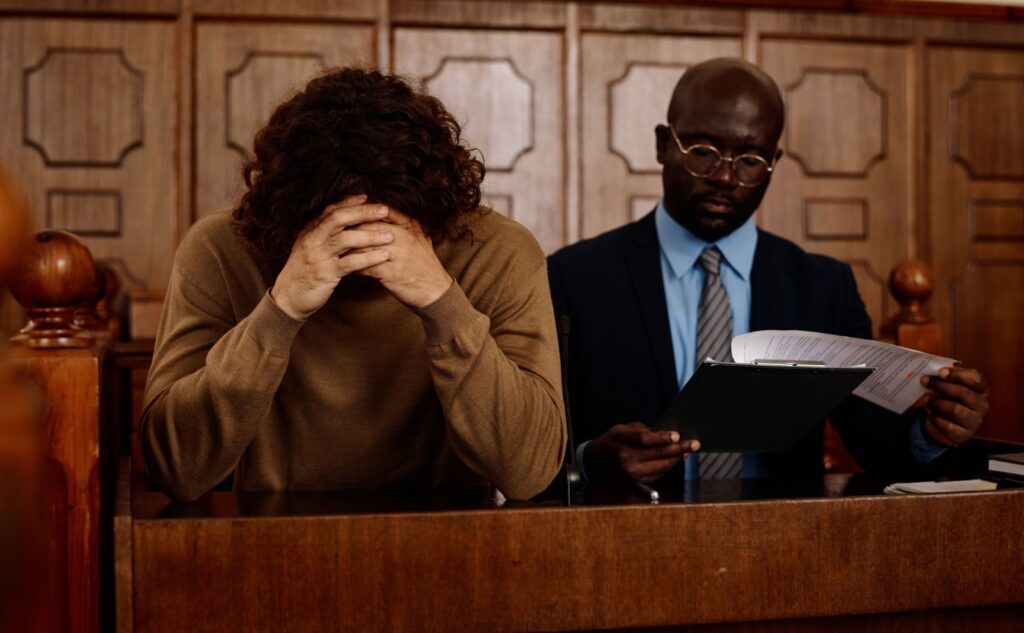
What Is Parole Under South African Law?
Parole is the conditional release of a sentenced offender from a correctional centre into the community, after a portion of the sentence has been served, for the remainder of the sentence. It is granted at the discretion of the Correctional Supervision and Parole Board, not as an automatic right. The parolee remains a sentenced person until the sentence expires or is remitted.
The legal framework is the Correctional Services Act 111 of 1998, read with its Regulations and Department of Correctional Services (DCS) policy directives. The Act was amended by the Correctional Matters Amendment Act 5 of 2011, which tightened the regime for offenders serving life imprisonment and those convicted of Schedule 2 offences.
Who Sets Parole Conditions? The Correctional Supervision and Parole Board
Parole conditions are set by the Correctional Supervision and Parole Board (CSPB), established under Chapter VII of the Act. Each correctional centre, or cluster of centres, has its own CSPB, which is independent of the DCS line management. Its powers and duties are set out in section 75.
When an offender becomes eligible, the CSPB considers a profile prepared by the DCS case management committee. This covers behaviour, participation in rehabilitation programmes, risk assessment, the original offence, the sentence, victim input, and reports from social workers and psychologists. The Board then decides whether to place the offender on day parole, parole, or medical parole, and on what conditions.
Under section 75(8), every parole decision is subject to review by the Parole Review Board. An offender, the Minister, or the National Commissioner may approach it where the CSPB decision is believed to be inappropriate. The Minister also has powers under section 75(9) to cancel parole in defined circumstances.
The Standard Parole Conditions in South Africa
The conditions that can be imposed are found in section 52, which deals with conditions relating to community corrections. The CSPB tailors them to the offender’s risk profile, the offence, and the sentence, but the following are the standard categories applied to almost every parolee.
Reporting to a Correctional Official
A parolee must report to a designated correctional official, normally at the community corrections office nearest to their approved residence, at intervals set by the Board. Reporting may be weekly, fortnightly, or monthly. The parolee must also notify the official of any change of address or employment within a set period.
House Detention and a Fixed Place of Residence
House detention requires the parolee to be present at an approved address during specified hours, typically overnight and sometimes over weekends. The parolee may not move without prior written approval. Day parole, a stepping stone toward full parole, releases the offender for work or programmes during the day and requires return to custody at night.
Monitoring, Including Electronic Monitoring
The DCS may monitor a parolee to confirm compliance with curfew and movement restrictions. Electronic monitoring, using a tracking device (typically an ankle tag) linked to a monitoring centre, is widely used for parolees assessed as higher risk.
Restrictions on Movement, Work, and Association
A parolee may be barred from entering certain areas, such as the vicinity of the victim’s home or workplace, schools, licensed premises, or particular districts. Travel between provinces or out of South Africa requires permission. Parolees must work, seek work, or study, and may be directed to perform community service. The Board may also prohibit contact with named individuals (often the victim or co-accused). A no-contact order is standard where the offence involved a victim.
Prohibition on Alcohol, Drugs, and Firearms
Most parolees are prohibited from consuming alcohol or using illicit drugs and may be tested at random. Possession of firearms or other dangerous weapons is barred. Programme attendance (anger management, substance abuse, sexual offending, or vocational skills) is itself a condition of parole where the Board directs it.
How Parole Conditions Differ From Correctional Supervision
Correctional supervision and parole look similar because both are served in the community under section 52 conditions. The difference is the source. Correctional supervision is a court-imposed sentence under section 276(1)(h) or (i) of the Criminal Procedure Act 51 of 1977, served instead of direct imprisonment. Parole is a conditional release granted by the CSPB after a period of imprisonment has been served. A parolee has already served part of a custodial sentence, while an offender on correctional supervision may never have entered a correctional centre.
When Can an Offender Be Placed on Parole?
Eligibility depends on the offence and the date of sentence. For most determinate sentences, an offender becomes eligible after serving a portion of the sentence, often half, subject to credits for good behaviour and programme participation. The non-parole period set by the sentencing court under the Criminal Procedure Act must also expire before parole can be considered.
Offenders serving life imprisonment fall under a separate regime, and the Parole and Correctional Supervision Amendment Act together with DCS policy directives set the minimum periods that must be served before the CSPB may consider placement. Those convicted of certain Schedule 2 offences face stricter minimum detention periods.
Medical Parole Under Section 79
Medical parole is a separate pathway under section 79, available where an offender has a terminal illness or a condition seriously prejudicial to their health that is unlikely to respond to treatment in a correctional centre. It still carries conditions, adapted to the offender’s medical circumstances, and a breach can result in recall to custody, as with any parolee.
What Happens If Parole Conditions Are Breached?
A breach of any section 52 condition is treated as a violation. The community corrections officer may warn the parolee, tighten conditions, or refer the matter to the CSPB. The Board can caution the parolee, adjust the conditions (for example by increasing reporting frequency or imposing electronic monitoring), or cancel parole altogether.
If parole is cancelled, the parolee is recalled to a correctional centre to serve the remainder of the sentence. Where the breach amounts to a new offence, the parolee faces both recall and prosecution for that offence.
Common Mistakes to Avoid
The following pitfalls come up repeatedly in parole matters. Most are avoidable with preparation and good communication with the community corrections office.
- Treating parole as freedom. Parole is conditional release, not the end of the sentence. A parolee who ignores reporting, monitoring, or curfew because they feel “free” is heading straight back into custody.
- Moving address without telling the community corrections office. Even a short move to a partner’s home or a new rental can amount to a breach if it is not approved in writing first.
- Missing a reporting appointment. A missed appointment is one of the most common reasons for a violation. Parolees should diary every reporting date and notify the office in advance if an emergency arises.
- Assuming conditions are the same for everyone. Conditions are tailored to the offence and risk profile. Two offenders released for similar crimes can have very different conditions, and copying a fellow parolee’s understanding is a quick way to breach an order you did not actually have.
- Consuming alcohol because “it is legal.” Most parole certificates prohibit alcohol outright. The prohibition survives a braai, a wedding, and Christmas. Random testing is routine.
- Contacting the victim. Even an apology sent through a third party can breach a no-contact condition. No-contact orders are interpreted strictly.
- Ignoring programme referrals. Failing to enrol in, or attend, a prescribed programme is itself a violation, even if the parolee is otherwise compliant.
- Believing a breach means automatic recall. The CSPB has discretion. A single, minor, well-explained breach may draw a warning. But repeated or dishonest breaches rapidly move a parolee toward recall.
- Not keeping evidence of compliance. Payslips, programme attendance certificates, medical appointments, and travel approvals should be kept. They protect the parolee if a dispute arises.
Frequently Asked Questions
What are the standard parole conditions in South Africa?
Standard parole conditions under section 52 of the Act include reporting to a correctional official, remaining at an approved address, observing curfew or house detention, submitting to monitoring (including electronic monitoring), abstaining from alcohol and drugs, refraining from possessing firearms, avoiding contact with specified persons or places, and attending prescribed rehabilitation programmes.
Who decides parole conditions in South Africa?
The Correctional Supervision and Parole Board (CSPB), established under Chapter VII of the Act, sets the conditions after considering the offender’s profile, risk assessment, and victim input. Its decisions can be reviewed by the Parole Review Board under section 75(8).
Can parole conditions be changed after release?
Yes. The CSPB can vary conditions at any time during the parole period, usually on the recommendation of the community corrections office. They may be tightened after a breach, or relaxed where the parolee has shown sustained compliance.
What happens if a parolee breaks a condition in South Africa?
A breach is a violation. The community corrections office may warn the parolee or refer the matter to the CSPB, which can caution the parolee, adjust conditions, impose stricter monitoring, or cancel parole and recall the parolee to custody. Where the breach is also a new offence, the parolee faces both recall and prosecution.
Is parole the same as correctional supervision?
No. Correctional supervision is a court-imposed sentence under the Criminal Procedure Act 51 of 1977, served in the community from the outset. Parole is a conditional release granted by the CSPB after part of a custodial sentence has been served. Both fall under section 52 conditions.
How long do parole conditions last in South Africa?
Parole conditions last for the remainder of the sentence, until the sentence expires or is remitted. The frequency of reporting and the strictness of conditions may reduce over time as the parolee demonstrates compliance.
Get help with a parole matter. If you or a family member is facing parole placement, a breach allegation, or recall to custody, Otrebski Attorneys’ Criminal Law team in Sandton can assist. As a 100% women-led firm with a 5-star Google rating, we provide clear, practical advice on correctional-services and prisoner-rights matters, drawing on real experience in criminal defence.
Disclaimer. This article is general information about South African parole conditions and is not legal advice for a specific matter. Parole eligibility and conditions depend on the offence, the sentence, the date of sentence, and current Department of Correctional Services policy directives. For current requirements, confirm with the Department of Correctional Services or consult a registered legal practitioner.
Get Legal Help Today
Speak to an Otrebski Attorneys lawyer about your matter, or request an appointment and we will call you back.
☎ Call 060 500 3098WhatsApp Us