
Parole lets a sentenced offender serve part of their sentence in the community under strict conditions, instead of inside a correctional centre. In South Africa, parole is governed by the Correctional Services Act 111 of 1998 and administered by the Department of Correctional Services through the Correctional Supervision and Parole Board. Parole is not the end of a sentence; it is a controlled release that can be taken back if the parolee breaks the rules.
A first breach of those conditions is worrying, but it is not an automatic one-way ticket back to a cell. The law gives the parole board a range of responses, and the board must follow a fair process before it imposes the most serious ones. This article explains what actually happens when you violate parole for the first time in South Africa, what the board can do, and what your rights are at each stage.
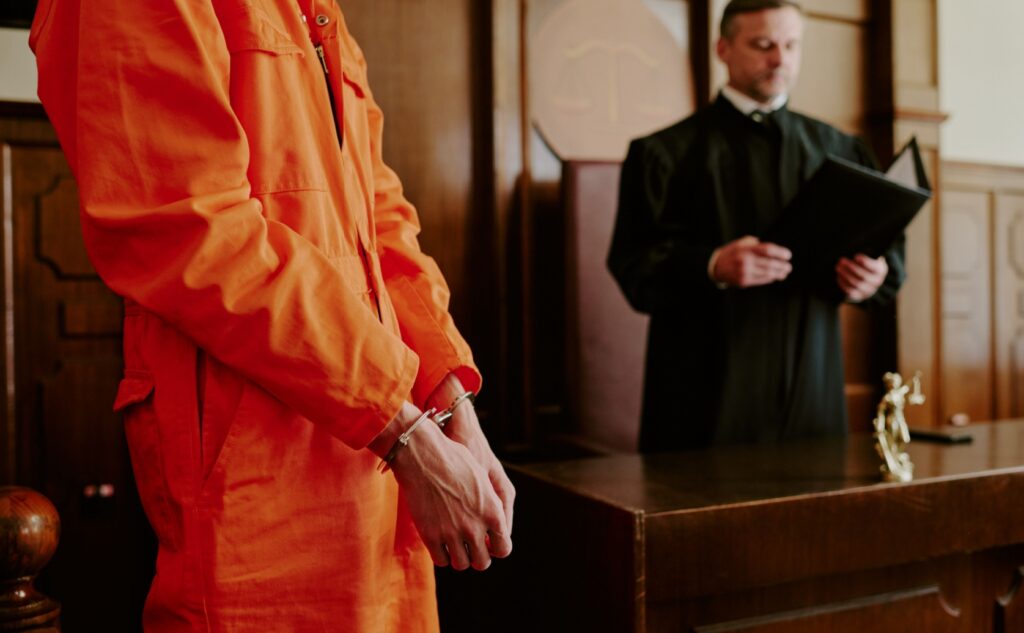
How South African Parole Conditions Work
Under section 52 of the Correctional Services Act 111 of 1998, every parolee is released on conditions set by the Correctional Supervision and Parole Board. The conditions are not standard; they are tailored to the offender, the offence, and the risk profile. Breaking any one of them is a breach that the board is entitled to investigate.
Typical parole conditions include:
- Reporting to a correctional services official or parole officer at set intervals
- Living at an approved address and staying within a defined magisterial district
- Seeking and keeping employment, study, or a recognised programme
- Refraining from alcohol, illicit drugs, and any criminal conduct
- Not associating with co-offenders, gang members, or complainants
- Performing community service where the board has ordered it
What Counts as a First-Time Parole Violation
A first-time violation is the first reported breach of a parole condition during the parole period. Some breaches are administrative, such as missing a reporting slot or changing address without telling the parole officer. Others are substantive, such as a positive drug test, a new arrest, or contact with a victim. The board treats these categories differently, and the seriousness of the breach heavily influences the outcome.
Common first-time breaches include:
- Missing a scheduled appointment with the parole officer
- Travelling outside the approved area without prior permission
- Failing a drug or alcohol screening test
- Being charged with a new offence while on parole
- Changing employment or residence without notifying the Department
The Parole Board’s Range of Responses
When a possible breach is reported, the matter is referred to the Correctional Supervision and Parole Board. The board is not limited to a single remedy. Under the Act and the Correctional Services Regulations, it can scale its response to the breach, which is why a minor first breach will often be dealt with far more leniently than a serious one.
- Warning or reprimand. For a minor or technical first breach, the board may issue a formal written warning and note it on the parolee’s file.
- Amended or stricter conditions. The board can increase reporting frequency, add a treatment programme, impose a curfew, or restrict movement more tightly.
- Suspension of parole pending inquiry. Where the breach is serious or the parolee’s whereabouts are unclear, the board may direct that the parolee be arrested and held while the matter is investigated.
- Revocation of parole. In the most serious cases, the board can revoke parole entirely, meaning the parolee returns to a correctional centre to serve the remainder of the sentence.
The key point is that revocation is one option among several, not an automatic result of any breach. A first technical breach will often attract a warning or stricter conditions rather than a return to custody, but a first breach that involves a new offence or a risk to the public can absolutely lead to revocation.
The Inquiry Process and Your Right to Be Heard
Before parole is revoked, the board must follow a fair process. The parolee is entitled to be informed of the alleged breach, to be heard at an inquiry, and to be represented by a legal practitioner. The board must consider the evidence, listen to the parolee’s explanation, and only then decide what response is appropriate.
Factors the board typically weighs include:
- The seriousness and circumstances of the breach
- Whether it is a first or repeat breach
- The parolee’s overall compliance record up to that point
- Any explanation, such as illness, transport failure, or family emergency
- The risk the parolee poses to the community
- Whether rehabilitation is better served inside or outside custody
This right to be heard is rooted in section 35 of the Constitution and the audi alteram partem principle. A parolee who can show that the breach was unintentional, that there was good cause, or that stricter community conditions would address the problem has a real prospect of keeping their parole, even on a first breach.
What to Do if You Have Breached Parole
If you realise you have breached a condition, the right step is to contact your parole officer immediately and explain what happened. Being upfront before the breach is reported independently is usually viewed more favourably than waiting to be found out. Keep a record of the communication, and gather any supporting documents, such as a medical certificate or proof of transport, that explain the breach.
Get legal advice before any board inquiry. A criminal law attorney can review the conditions, prepare your explanation, identify whether the Department followed proper procedure, and represent you at the hearing. Properly presented, the right submissions can make the difference between a warning and a return to custody.
How the Board Decides Between Warning and Revocation
There is no fixed formula. The board exercises a discretion based on the facts. A single missed appointment caused by a documented illness will rarely lead to revocation, while a first arrest for a serious new offence almost always will. The board’s job is to balance the parolee’s interest in completing rehabilitation in the community against the public’s interest in safety and the integrity of the correctional system.
Case law from the High Court has confirmed that parole cannot be revoked arbitrarily. Where the board acts unfairly, ignores relevant evidence, or fails to give the parolee a proper hearing, its decision can be taken on review. This is an important safeguard, and it is one of the reasons legal representation matters.
Frequently Asked Questions
Will a first-time parole violation send me back to prison?
Not automatically. Under the Correctional Services Act 111 of 1998, the Correctional Supervision and Parole Board can respond to a first breach with a warning, stricter conditions, suspension pending inquiry, or revocation. A minor technical breach will often result in a warning or amended conditions, while a serious first breach can lead to revocation.
Do I have the right to a hearing before parole is revoked?
Yes. Before revoking parole, the board must conduct an inquiry, inform the parolee of the alleged breach, and give them an opportunity to be heard and to be represented by a legal practitioner. This right is rooted in section 35 of the Constitution and the audi alteram partem principle.
What are common parole conditions in South Africa?
Common conditions include regular reporting to a parole officer, residing at an approved address, staying within a defined area, maintaining employment or study, abstaining from drugs and alcohol, not associating with co-offenders, and performing community service where ordered.
What happens immediately after a parole breach is reported?
The alleged breach is referred to the Correctional Supervision and Parole Board. The parolee may be summonsed to appear, or, in serious matters, arrested and held pending an inquiry. The board then decides whether to issue a warning, amend conditions, suspend parole, or revoke it.
Can a parole revocation decision be challenged?
Yes. If the board acted unfairly, failed to give the parolee a proper hearing, or ignored relevant evidence, its decision can be taken on review to the High Court. Legal representation is strongly recommended before approaching the court.
Get help with a parole matter. If you or a family member is facing a parole violation inquiry, the Criminal Law team at Otrebski Attorneys can advise on the board process, prepare your explanation, and represent you at the hearing. Our 100% women-led, Level 4 B-BBEE practice works from a single Sandton office and is rated 5 stars from 12 reviews, with Director Nastasja Otrebski overseeing criminal and parole matters.
Call 060 500 3098 or book an appointment with our Criminal Law team.
Disclaimer. This article is general information about South African parole law, not legal advice for a specific matter. Parole outcomes turn on the facts of each case and on current Correctional Services practice. For advice on a particular parole violation, consult a qualified attorney.
Get Legal Help Today
Speak to an Otrebski Attorneys lawyer about your matter, or request an appointment and we will call you back.
☎ Call 060 500 3098WhatsApp Us