
“How many years is life in prison without parole?” is one of the most common questions clients ask when a loved one is facing a serious charge. The short answer is that, in South African law, there is no fixed number. Life imprisonment runs for the whole of a person’s natural life, not for a set term such as 25 or 30 years.
Where confusion often sets in is the phrase “without parole”. South Africa does not impose a true United States-style “life without parole” sentence. Even where a court imposes life imprisonment, the prisoner becomes eligible to be considered for parole after serving a defined period, generally 25 years. This article explains what life imprisonment actually means under South African law and how parole eligibility works.
Otrebski Attorneys’ Criminal Law department in Sandton advises accused persons and their families on serious matters that carry the possibility of life imprisonment, including sentencing, appeal, and parole considerations.
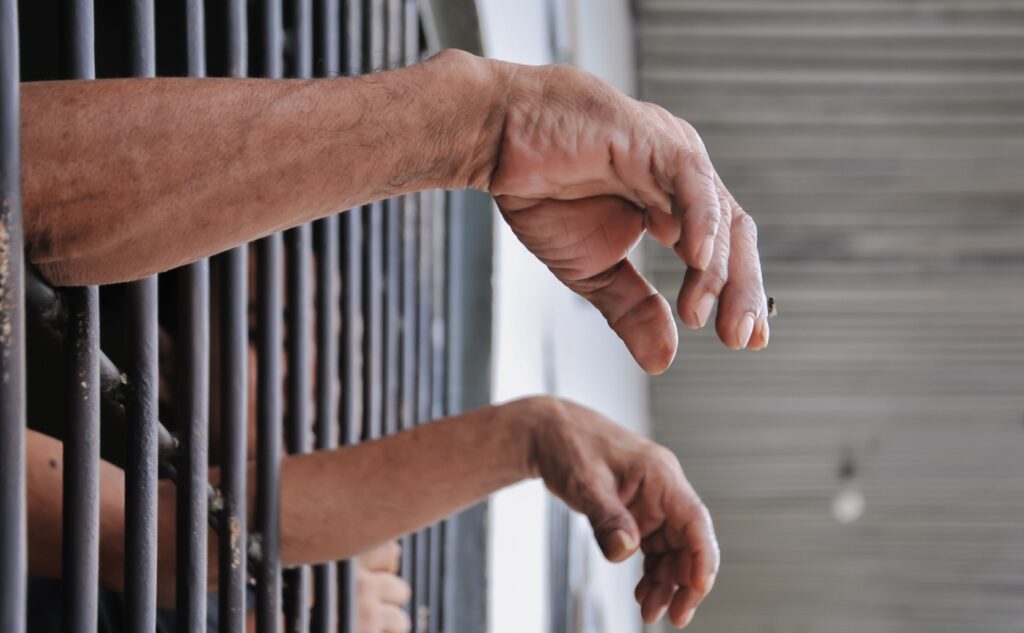
How many years is life imprisonment under South African law?
Under South African law, life imprisonment is an indeterminate sentence that continues for the natural life of the prisoner. The court does not convert “life” into a fixed number of years such as 25 or 30. A person sentenced to life remains in the custody of the Department of Correctional Services until either death or lawful release on parole.
This is different from a determinate sentence, where a court imposes a fixed number of years. With life imprisonment there is no end date written into the sentence itself. The Department of Correctional Services explains that a life sentence is served indefinitely, subject only to the parole regime set out in the Correctional Services Act 111 of 1998.
Does South Africa have life without parole?
The phrase “life without parole” comes from foreign jurisdictions, particularly the United States, where some states impose sentences that exclude any possibility of release. South African law does not have an equivalent category. A South African court may impose life imprisonment, but it cannot strip a prisoner of the statutory parole mechanism altogether.
Section 73(1)(b) of the Correctional Services Act 111 of 1998 provides that a prisoner sentenced to life imprisonment remains in prison for the rest of his or her life, subject to the Act. Section 73(6)(b)(iv) allows day parole or parole only after at least 25 years of the sentence, for an offence committed after the parole provisions took effect in 2004.
For an offence committed before those provisions took effect, section 136(3)(a) allows consideration after 20 years. Eligibility is not the same as automatic release. The Correctional Supervision and Parole Board and, for a lifer, the Minister must still approve any placement.
When does a court impose life imprisonment?
Life imprisonment is governed largely by the minimum-sentences framework in the Criminal Law Amendment Act 105 of 1997. That Act directs a court to impose life imprisonment for certain serious offences unless substantial and compelling circumstances justify a lesser sentence. The most common situations include:
- Pre-planned or premeditated murder.
- Rape under the aggravating circumstances listed in the Act, including where the complainant was a child or where the accused knew they were HIV-positive.
- Gang rape or rape by more than one person acting in concert.
- Murder of a police officer or other law enforcement officer, or of a State witness, and murder committed during a rape or a robbery with aggravating circumstances.
- Murder of a person under 18, or a death resulting from physical or sexual abuse by a current or former domestic partner (both added to Schedule 2 by Act 12 of 2021, from 5 August 2022).
- Attempted murder in the same Part I circumstances, such as a planned or premeditated attempt, for offences committed since 5 August 2022 (sections 15(b) and 16 of Act 12 of 2021).
- Rape by a person already convicted of two or more rapes but not yet sentenced for them.
A court is not bound to impose life imprisonment in every case. Where substantial and compelling circumstances exist, the court may depart from the prescribed minimum and impose a lesser, often determinate, sentence. The Constitutional Court has repeatedly emphasised that minimum sentences must be applied with care and that courts retain a discretion to individualise the sentence.
Parole after 25 years, explained
Reaching 25 years served does not mean a lifer walks free. It means the prisoner becomes eligible to be considered for parole. The Correctional Supervision and Parole Board considers the case, and for a prisoner serving life the final decision rests with the Minister, on the advice of the National Council for Correctional Services (sections 73(5) and 78). A range of factors is assessed before any release:
- The nature and seriousness of the original offence.
- The prisoner’s behaviour, participation in rehabilitation programmes, and disciplinary record.
- Whether the prisoner has shown genuine remorse and insight.
- Reports from social workers, psychologists, and correctional officials.
- The views of the victim or the victim’s family, where these have been submitted.
- Whether placement would serve the interests of society and justice.
Even where parole is granted, the prisoner is not unconditionally free. Release is subject to strict conditions, continued supervision, and the possibility of recall to prison if those conditions are breached. A life sentence therefore remains in force for life, even after release.
How South African life sentences differ from United States practice
Because most online search results originate in the United States, clients often arrive with the belief that a life sentence can never be reduced. In many American states a “life without the possibility of parole” sentence is exactly that, a true whole-life order with no statutory parole mechanism.
South African sentencing law works differently. Even the most serious offenders keep their constitutional right to human dignity, and the Correctional Services Act keeps parole consideration open to every prisoner serving life. The result is that a person sentenced to life in South Africa is, by law, never entirely beyond parole consideration, even if release in practice is rare and only granted after decades.
Can a life sentence ever be reduced?
A life sentence is not always final. Several legal avenues may affect its operation or duration:
- An appeal against conviction or sentence, where grounds exist and time limits are met.
- A review of the proceedings where irregularities occurred during the trial.
- An application for leave to appeal to a higher court, including the Supreme Court of Appeal or the Constitutional Court.
- The presidential power of pardon and remission under section 84(2)(j) of the Constitution.
- Parole consideration by the Correctional Supervision and Parole Board after 25 years served.
Each route has its own procedure, threshold, and time frame. The earlier a sentencing matter is reviewed by a criminal law practitioner, the more options usually remain available.
Frequently Asked Questions
How many years is life imprisonment in South Africa?
Life imprisonment in South Africa is an indeterminate sentence that runs for the whole of the prisoner’s natural life. There is no fixed number of years. A life sentence does not convert into 25 or 30 years; it continues until death or lawful release on parole.
Is there life without parole in South Africa?
No. South Africa does not impose a true life-without-parole sentence. Even where a court imposes life imprisonment, the prisoner becomes eligible to be considered for parole after serving at least 25 years, in terms of section 73(6)(b)(iv) of the Correctional Services Act 111 of 1998. Release is not automatic. The Correctional Supervision and Parole Board and, for a lifer, the Minister decide whether placement is granted.
After how many years can a lifer apply for parole in South Africa?
A prisoner serving life imprisonment becomes eligible for parole consideration after serving at least 25 years, or 20 years for offences committed before the 2004 parole provisions took effect. This is an eligibility threshold, not a release date. The Correctional Supervision and Parole Board and, for lifers, the Minister must be satisfied that the prisoner meets every requirement, including rehabilitation, remorse, and the interests of society, before any release is granted.
What crimes carry life imprisonment in South Africa?
The Criminal Law Amendment Act 105 of 1997 directs courts to impose life imprisonment for offences such as premeditated murder, rape under aggravating circumstances, gang rape, and the murder of a police officer or State witness. Since 5 August 2022 it also covers the murder of a person under 18 and attempted murder in the same circumstances. A court may impose a lesser sentence where substantial and compelling circumstances justify a departure from the prescribed minimum.
Can a life sentence ever be reduced?
Yes. A life sentence may be affected by an appeal against conviction or sentence, a review, or an application for special leave to appeal. The President may also grant a pardon or remission under section 84(2)(j) of the Constitution, and a lifer may be considered for parole after serving 25 years.
Is a South African life sentence the same as an American life without parole sentence?
No. In some United States jurisdictions, life without parole means exactly that, with no statutory parole mechanism. In South Africa, a life sentence always carries the possibility of parole consideration after 25 years, even if release in practice is rare. Prisoners serving life keep their constitutional right to human dignity, and the Correctional Services Act keeps parole consideration open to them.
Get help with a criminal law matter. If you or a family member are facing a charge that carries life imprisonment, early legal advice is critical. Otrebski Attorneys’ Criminal Law department in Sandton advises clients on minimum-sentences legislation, sentencing, appeal, and parole eligibility. We are a 100% women-led firm with a 5-star Google rating across 12 reviews, a Level 4 B-BBEE rating, and Director Nastasja Otrebski at the helm, practising from a single Sandton office.
Sources: Correctional Services Act 111 of 1998, section 73; Criminal Law Amendment Act 105 of 1997.
Disclaimer. This article provides general information about life imprisonment and parole in South Africa. It is not legal advice, and parole thresholds and sentencing provisions are amended from time to time. Confirm the current position with your attorney or the Department of Correctional Services before relying on anything in this article.
Get Legal Help Today
Speak to an Otrebski Attorneys lawyer about your matter, or request an appointment and we will call you back.
☎ Call 060 500 3098WhatsApp Us