
Parole in South Africa is not a fixed-length sentence. It is the part of an offender’s court-imposed sentence that they serve in the community, under supervision, after a portion has been served inside a correctional centre. The question “how long is parole” therefore has no single answer in years. The length depends on the original sentence, the date of placement on parole or correctional supervision, and the conditions set on release.
The framework is the Correctional Services Act 111 of 1998. Under this Act, parole and correctional supervision are treated as ways of serving the unserved portion of a sentence outside prison, not as a reduction of the sentence itself. The Department of Correctional Services supervises the offender until the sentence expires, unless the placement is discharged earlier in terms of the Act.
This guide explains how parole duration is calculated, the difference between determinate-sentence and life-sentence parolees, the supervision conditions that apply, and the events that can extend or cut short the period under supervision.
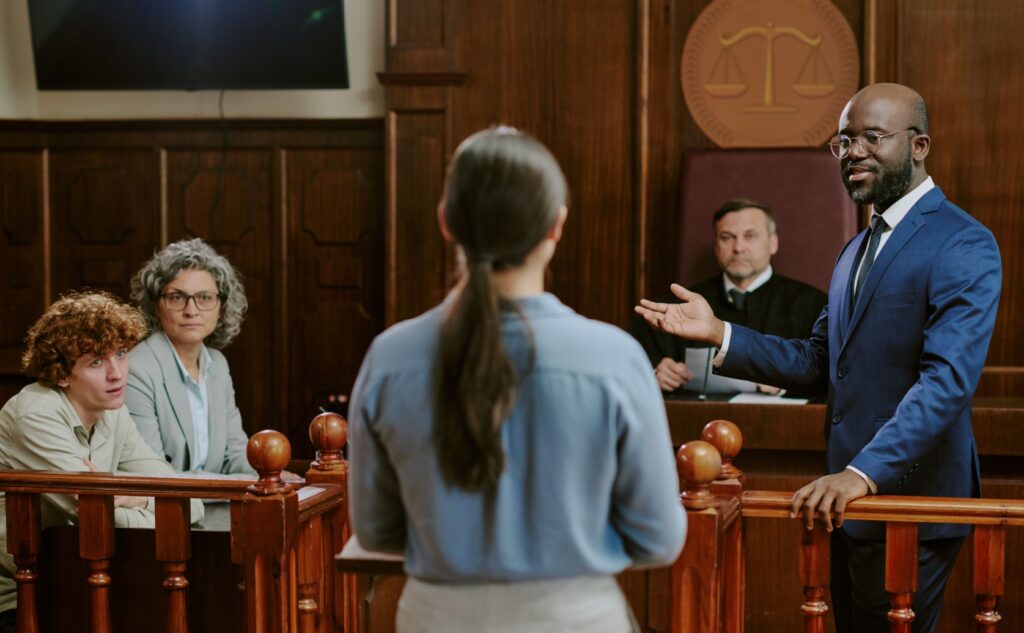
Parole Runs for the Unserved Portion of the Sentence
The starting point is that a parolee is still serving their sentence. The Correctional Services Act draws a clear line between the part of the sentence served inside a correctional centre and the part served under supervision in the community. Parole covers the second part. It is the unserved balance of the sentence, served outside prison subject to conditions.
In practice, that means parole lasts until the sentence’s expiry date. If a court imposes a ten-year sentence and the offender is placed on parole after serving six years, the parole period is the remaining four years. The date the sentence ends does not move. What changes is where and how the remaining time is served.
Because the unserved portion is what matters, the length of parole is driven by two variables: the length of the original sentence, and how early in that sentence the offender is placed on parole. An offender released late in the sentence will have a short supervision period. An offender released early will spend more years under supervision. There is no statutory fixed term that applies to every parolee.
How the Placement Date Is Set
The date on which an offender becomes eligible for parole is fixed by statute and depends on the sentence. The Correctional Services Act and the Correctional Matters Amendment Act 5 of 2011 set the minimum sentencing portion that must be served before a parole consideration can take place. For many determinate sentences the trigger is the halfway mark; for more serious offences a larger portion must be served before the Case Management Committee and the Correctional Supervision and Parole Board can consider placement.
Eligibility is not release. Becoming eligible means the file can be considered. The Correctional Supervision and Parole Board then looks at the offender’s behaviour, rehabilitation programmes completed, risk assessment, and the interests of the community and the victim. The Board decides whether to place the offender and on what conditions.
- For a determinate sentence, parole supervision generally runs until the sentence expires.
- For offenders serving life imprisonment, parole is considered only after the minimum period set by law has been served, and supervision then continues under conditions.
- The Board can defer placement, in which case the offender remains in custody and the unserved portion is not yet running in the community.
Parole for Life-Sentence Offenders
Life imprisonment operates on a different footing. Under the Criminal Law Amendment Act 105 of 1997, read with the Correctional Services Act, an offender serving life must serve a minimum period before the Parole Board can consider placement. The Supreme Court of Appeal has confirmed that this does not mean the sentence has a fixed end date. A life sentence continues for life unless it is discharged in terms of the Act.
For a life-sentence parolee, supervision continues subject to conditions for life, unless the National Commissioner, on the recommendation of the Parole Board, discharges the parolee. Discharge is not automatic. It follows a process of review, reports, and a decision that the offender can safely be released from active supervision. Until discharge, the parolee remains under the authority of the Department of Correctional Services.
This is the practical answer to the question for life prisoners: parole does not have a fixed end date. It runs indefinitely on conditions, reviewed periodically, until the Department is satisfied that supervision can be lifted.
Conditions That Apply During Parole
The length of parole is one question; what is required during that period is another. Conditions are set at placement and can be amended during the term. Typical conditions include:
- reporting to a designated correctional official or parole officer at set intervals;
- remaining at a fixed approved address and seeking permission before changing residence;
- seeking permission before travelling outside a defined area or abroad;
- maintaining employment or active job-seeking, or attending prescribed programmes;
- not committing any further offence; and
- abstaining from controlled substances and submitting to monitoring where directed.
These conditions define the supervision. A breach does not shorten parole; it usually has the opposite effect. Compliance, by contrast, is what allows the supervision period to run normally through to the sentence’s expiry.
Events That Extend or Interrupt Parole
Several events can change the effective length of a parole period. The most important is revocation. If a parolee breaches a condition, the Department can suspend or revoke the placement and return the offender to custody. Time spent back in custody after revocation is served against the sentence, but the supervision does not simply end on revocation. The Parole Board can re-place the offender later, with conditions running again until expiry.
- Revocation. A serious breach can see the parolee returned to prison to continue serving the sentence in custody.
- Suspension with conditions. A less serious breach can lead to tighter conditions rather than full revocation.
- Arrest and awaiting-trial periods. Where a parolee is arrested on a new charge, the supervision status is reviewed alongside the criminal process.
- Re-offending. A new conviction can lead to a fresh sentence running alongside, or consecutively to, the original unserved portion.
None of these shorten parole. They either leave the original supervision period unchanged or extend the time the offender spends under the Department’s authority. This is why the unserved-portion rule is the reliable starting point: parole ends when the sentence ends, unless something interrupts it first.
The Difference Between Parole and a Pardon
Parole is sometimes confused with a pardon or an expungement, but the three are different. A pardon is an act of the President under the Constitution that forgives the offence. An expungement removes a criminal record after the statutory waiting period under the Criminal Procedure Act. Parole is neither. It is a supervised way of serving the sentence, and the conviction and sentence remain on record throughout the parole period.
This matters for the “how long” question. A pardon can bring a sentence to an end before its expiry. An expungement can clear a record after a waiting period. Parole does neither. It simply changes where the remaining sentence is served.
Frequently Asked Questions
How long does parole last in South Africa?
Parole lasts for the unserved portion of the original sentence, served under supervision in the community. There is no fixed term. The length depends on the sentence imposed by the court and the date the offender is placed on parole. Parole ends when the sentence expires, unless it is revoked or discharged earlier.
Does parole reduce the total sentence?
No. Parole does not shorten the sentence. It allows the offender to serve part of the sentence outside prison under conditions set by the Correctional Supervision and Parole Board. The sentence expiry date does not change.
How long is parole for a life sentence in South Africa?
For a life-sentence parolee, supervision continues subject to conditions for life unless the parolee is discharged in terms of the Correctional Services Act. A life sentence has no fixed expiry date, so parole supervision runs indefinitely until the National Commissioner, on the Parole Board’s recommendation, lifts it.
Can parole end before the sentence expires?
Yes, in limited circumstances. The Parole Board can recommend discharge from active supervision where the parolee has complied with conditions and no longer poses a risk. For determinate sentences the sentence expiry date is the normal end point. For life-sentence parolees, discharge is by decision of the National Commissioner.
What happens if a parole condition is breached?
A breach can lead to tighter conditions, suspension of placement, or revocation. Revocation returns the parolee to custody to continue serving the sentence. The parole period is not shortened by a breach; the offender remains under the Department of Correctional Services until the sentence expires.
Is parole the same as correctional supervision?
They are closely related. Both are ways of serving part of a sentence in the community under supervision under the Correctional Services Act 111 of 1998. Parole typically follows a period served in custody. Correctional supervision can also be imposed by a court as a sentence in its own right.
Who decides when parole ends?
For determinate sentences, parole ends on the sentence expiry date. For life-sentence parolees, the National Commissioner of Correctional Services decides whether to discharge the parolee from supervision, on the recommendation of the Correctional Supervision and Parole Board.
Does parole clear the criminal record?
No. Parole is not an expungement. The conviction and sentence remain on record throughout the parole period. A criminal record can only be expunged under the Criminal Procedure Act after the prescribed waiting period, which is separate from parole.
Get help with a criminal law matter. Parole questions usually sit alongside sentencing, appeal, or prisoner-rights concerns that need proper legal advice. Otrebski Attorneys’ Criminal Law department, based in Sandton, advises clients on parole placement, conditions, and revocation under the Correctional Services Act 111 of 1998. The firm is 100% women-led, holds a 5-star Google rating across 12 reviews, is a Level 4 B-BBEE contributor, and is led by Director Nastasja Otrebski from a single Sandton office.
Disclaimer. This article explains the general legal framework for parole duration in South Africa under the Correctional Services Act 111 of 1998 and related legislation. It is general information, not legal advice. Parole thresholds, placement dates, and supervision rules are amended from time to time, and each case turns on its own sentence and circumstances. Confirm the current position with a qualified attorney or the Department of Correctional Services before relying on anything in this article.
Get Legal Help Today
Speak to an Otrebski Attorneys lawyer about your matter, or request an appointment and we will call you back.
☎ Call 060 500 3098WhatsApp Us