
“Early parole” is not a separate application form. In South Africa it is the everyday shorthand for being considered for placement under correctional supervision or parole before the full sentence has run out, on the dates set by the Correctional Services Act 111 of 1998 and the credits an offender earns inside.
The decision is made by the Correctional Supervision and Parole Board, on a report prepared by the Case Management Committee at the correctional centre. There is no form called an “early parole application” that a prisoner signs. Instead, the file is built up by DCS staff, the offender is profiled when their eligibility date arrives, and the Board then decides whether to place them, defer, or decline.
This guide sets out how the process actually works: who becomes eligible and when, how the Case Management Committee builds the file, what the Parole Board weighs, the documents and reports that matter, the victim’s role, and what happens after release. It is written for offenders’ families and for anyone trying to understand the South African parole system in practical terms.
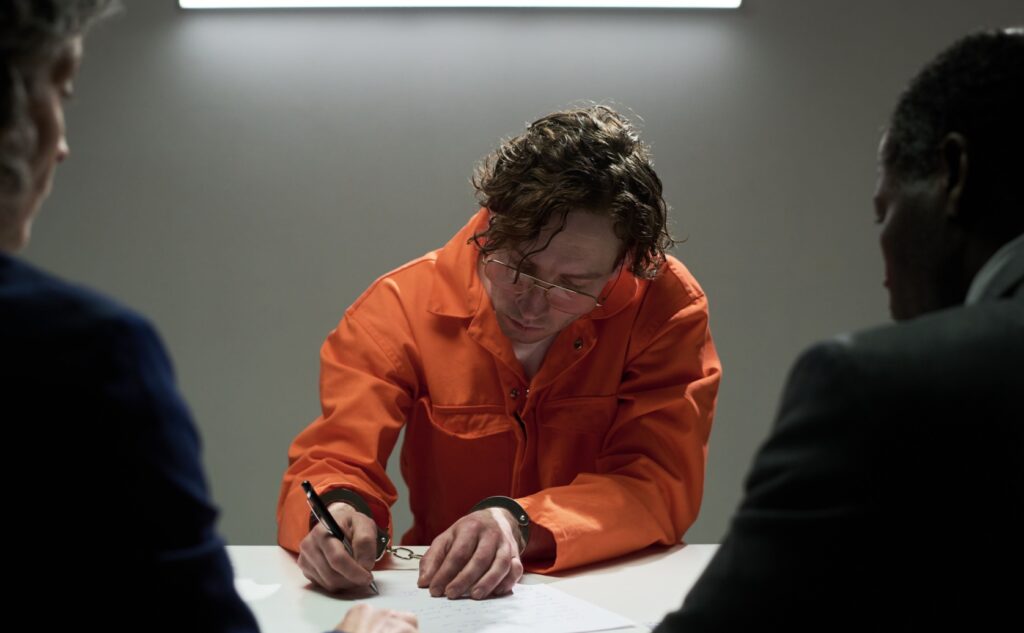
What “Early Parole” Actually Means in South Africa
Parole is the last phase of a determinate sentence. The offender is not pardoned and the sentence is not cancelled. They are released into the community under conditions and remain under the authority of the Department of Correctional Services until the sentence expires. “Early” simply describes release before the full calendar term has been served, which is how the system is designed to work for most offenders.
The framework sits in Chapter VII of the Correctional Services Act 111 of 1998, together with the Correctional Services Regulations and the Department’s parole manuals. The Act sets the eligibility dates; the Regulations set the procedure; the Board applies both to the individual.
Who Qualifies, and When: The Eligibility Thresholds
Eligibility is driven by the sentence the court imposed, not by behaviour alone. Section 73 of the Act, read with the 2011 and subsequent amendments, sets out the dates. The broad structure is:
- Determinate sentences of two years or less. The offender may be considered for placement under correctional supervision after serving one-half of the sentence.
- Determinate sentences of more than two years. The offender may be considered after serving one-half of the sentence, or one-third if they have earned credits through work or programme participation. For sentences imposed on or after 1 October 2004, where the court ordered part under correctional supervision, that part is served first.
- Life imprisonment. The offender may be considered after serving 25 years, or after 15 years if the sentence was imposed before the 1998 regime and was converted, with further consideration possible at set intervals.
- Special remission. The President may, under section 82, grant special remission to defined groups. These one-off remissions move the eligibility date forward. They do not themselves release anyone; they advance the date on which the Board can consider the offender.
The two key numbers families should ask DCS to confirm are the sentence expiry date and the earliest possible parole eligibility date. Those dates are calculated by the Commissioner from the warrant of committal, and they anchor the rest of the process.
Good behaviour and programme participation do not override these dates. They build credits that can move a one-half threshold towards one-third, and they shape the Board’s risk view, but they cannot produce parole before the statute allows it.
The Case Management Committee: Where the File Is Built
Every correctional centre has a Case Management Committee (CMC). The CMC is the internal DCS body responsible for offender profiling, sentence plan management, and preparation of parole reports. When an offender approaches their eligibility date, it is the CMC that prepares the file the Board will see.
The CMC’s work is not a single meeting. It is a rolling process that gathers reports from the unit manager, the social worker, the psychologist where one is allocated, the educator, the religious worker, and the offender themselves. The reports cover conduct, involvement in programmes, work performance, disciplinary record, and the proposed support system on release.
How to Apply: The Practical Steps
There is no separate “early parole application” a prisoner fills out. The steps below describe how the matter moves from eligibility to decision in practice.
- Confirm the eligibility date with DCS. The offender or a family member asks the Head of the Correctional Centre, in writing, for the confirmed sentence expiry date and parole eligibility date. This is the anchor for everything else.
- Keep the sentence plan active. Parole is tied to the individual sentence plan the CMC draws up under the Regulations. Programmes, work, and treatment allocated in the plan must be attended. Gaps in the plan are the most common reason a file is deferred.
- Build the support structure. The Board looks at where the offender will live, who will support them, and whether employment or study is lined up. A confirmed address, an offer of employment, and a willing family member all belong in the file before the profile is finalised.
- Attend the CMC profiling interviews. The CMC interviews the offender and compiles the reports. Cooperation here is part of the record the Board weighs.
- Prepare for victim contact. Where the offence had a direct victim, the Case Management Committee must, where possible, inform the victim of the parole consideration and invite representations. Victims may attend the Board hearing and may make written submissions.
- Attend the Correctional Supervision and Parole Board hearing. The offender is brought before the Board, which sits at the centre or via video link. The Board considers the CMC report, the offender, the victim representations if any, and the risk assessment.
- Receive the decision and written reasons. The Board can place the offender on parole, place them under correctional supervision from an earlier date, defer for a set period, or decline. The offender must be given the decision in writing, with reasons.
The Correctional Supervision and Parole Board
The Board is the decision-maker. It is made up of DCS officials and community members, chaired by a person who is not a DCS employee. Its function is to apply the Act and the Regulations to the file the CMC has built, and to hear the offender and any victim before deciding.
The Board does not retry the criminal case. It does not resentence. It asks a forward-looking question: given what the offender has done with their sentence so far, the risk they present, the support available on the outside, and the interests of the victim and the community, should they be placed under correctional supervision in the community?
Documents and Reports That Shape the Decision
The strength of a parole profile is the quality of the reports inside it. The documents that regularly carry weight include:
- the warrant of committal and the confirmed calculation of the sentence and eligibility dates;
- the trial court’s judgment and, where relevant, the plea and sentence agreement, so the Board can see the offence as the court found it;
- the CMC’s offender profile and the reports from the unit manager, social worker, psychologist, educator, and religious worker;
- the record of programme attendance, including anger management, substance abuse, sexual offences, or restorative justice programmes as allocated;
- the disciplinary record in custody, including any findings and sanctions;
- a confirmed release address and, where possible, an offer of employment, study, or community work; and
- the victim impact statement or representations, where the offence had a direct victim.
The Victim’s Role in a Parole Decision
Victims have a recognised place in the process. Where the offence had an identifiable direct victim, the CMC must take reasonable steps to inform them that parole is being considered and to invite representations. Victims may attend the Board hearing, may be accompanied, and may make written or oral submissions about the impact of the offence and their views on release.
The Board must weigh those representations, but they are not a veto. A victim’s objection is one factor among several. Equally, a victim’s support does not by itself secure release. The statute frames parole as a decision for the Board, taken on the whole file.
After Release: Conditions and Compliance
Parole is not unconditional freedom. The offender is placed under correctional oversight for the remainder of the sentence and must comply with conditions set by the Board. Typical conditions include:
- reporting to a parole officer at set intervals;
- remaining at a fixed address and seeking permission before travel or a change of address;
- seeking and maintaining work or study;
- avoiding contact with specified persons, including co-accused or the victim;
- not committing any further offence; and
- completing any programmes the Board specifies as a condition of release.
Breach of a condition can lead to a warning, amendment of conditions, or revocation of parole and return to custody. Because the offender remains under sentence, the parole officer has ongoing authority until the sentence expires.
If Parole Is Deferred or Refused
A deferral is common. The Board may defer a matter for a set period so the offender can complete a programme, stabilise a release address, or address a gap in the file. A deferral is not a refusal; it sets a date at which the matter comes back.
Where parole is refused, the offender is entitled to written reasons. Those reasons identify what the Board found missing. In most cases the right response is to address the gap and build a stronger file for the next consideration. Where the Board misapplied the Act, ignored material evidence, or failed to follow procedure, the decision can be taken on review to the High Court.
Frequently Asked Questions
Is there a separate early parole application form in South Africa?
No. Early parole is not a separate application. When an offender reaches their eligibility date under section 73 of the Correctional Services Act 111 of 1998, the Case Management Committee at the correctional centre prepares a profile and refers the matter to the Correctional Supervision and Parole Board, which then decides.
When is a prisoner eligible for parole in South Africa?
It depends on the sentence. For determinate sentences of two years or less, eligibility is at one-half of the sentence. For determinate sentences of more than two years, it is at one-half, or one-third if credits have been earned. For life imprisonment, eligibility is generally at 25 years served. Special remission granted by the President can move these dates forward.
Who decides whether an offender gets parole?
The Correctional Supervision and Parole Board decides, on a profile prepared by the Case Management Committee. The Board considers the offender’s conduct and programme participation, the risk of re-offending, the support system on release, and any representations from the victim.
Can a victim object to parole?
Yes. Where the offence had a direct victim, the Case Management Committee must take reasonable steps to inform the victim that parole is being considered and invite representations. The victim may attend the Board hearing and make written or oral submissions. The Board must weigh those representations, but a victim’s view is one factor and is not a veto.
Can a parole refusal be appealed or reviewed?
Yes. The offender is entitled to written reasons for the refusal. In most cases the right response is to address the gap identified by the Board and build a stronger file for the next consideration. Where the Board misapplied the Act, ignored material evidence, or breached procedure, the decision can be taken on review to the High Court.
What happens if a parole condition is broken?
A breach can lead to a warning, an amendment of conditions, or revocation of parole and return to custody. Because the offender remains under sentence for the duration of parole, the parole officer has ongoing authority and can take the matter back before the Board.
Get help with a parole matter. The Criminal Law team at Otrebski Attorneys advises offenders and families on eligibility, prepares profiles for the Case Management Committee and Correctional Supervision and Parole Board, and acts in reviews of adverse parole decisions. The firm is 100% women-led, Level 4 B-BBEE, and based in a single Sandton office under Director Nastasja Otrebski.
Call 060 500 3098 or book an appointment with our Criminal Law team.
Disclaimer. This article explains the general legal framework for parole under the Correctional Services Act 111 of 1998 and the Regulations made under it. It is general information, not legal advice, and it does not create an attorney-client relationship. Eligibility dates, sentence calculations, and parole procedure depend on the specific sentence, conduct record, and circumstances of each offender. To confirm current requirements and procedures, consult a qualified attorney and the Department of Correctional Services, or verify the legislation on the official South African Government portal.