
Life imprisonment is the most severe sentence a South African court can impose, and the question that follows almost immediately is whether, and when, parole becomes possible. The process is governed by the Correctional Services Act 111 of 1998 and a network of policies issued by the Department of Correctional Services. For families trying to make sense of what comes next, the landscape can feel opaque.
This article sets out, in plain terms, what life imprisonment means in South Africa, how the parole process works for lifers, who the decision-makers are, and what role victims, good behaviour, and remission play. It is written as a general guide. The realities are strict, the timelines are long, and release is never guaranteed.
Otrebski Attorneys’ Criminal Law department in Sandton advises accused persons and their families on sentencing, appeal, and parole-related questions arising from serious matters.
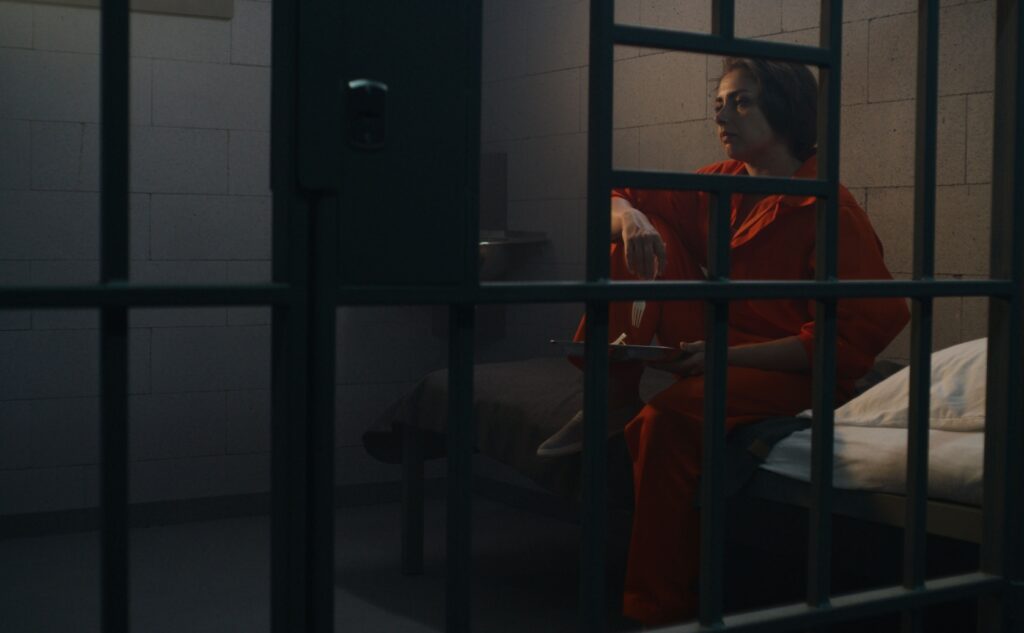
What life imprisonment actually means in South Africa
In South African law, life imprisonment is an indeterminate sentence. It runs for the whole of the prisoner’s natural life and is not converted into a fixed term such as 25 or 30 years. A person sentenced to life remains in the custody of the Department of Correctional Services until either death or lawful release on parole.
Life imprisonment is most commonly imposed under the minimum-sentences framework in the Criminal Law Amendment Act 105 of 1997. That Act directs a court to impose life imprisonment for specified serious offences, including premeditated murder, rape under aggravating circumstances, and certain repeat sexual offences, unless substantial and compelling circumstances justify a lesser sentence. The court retains a discretion to depart from the prescribed minimum where justice requires it.
The starting point for parole eligibility
For a prisoner serving life imprisonment, parole eligibility is set by section 73 of the Correctional Services Act 111 of 1998. A lifer becomes eligible to be considered for placement under correctional supervision or day parole, and ultimately parole, only after serving at least 25 years of the sentence. Different thresholds apply to other categories of sentence, but for life imprisonment the 25-year threshold is the statutory anchor.
It cannot be overstated that eligibility is not release. Reaching 25 years served does not open a gate. It opens a process. The Correctional Supervision and Parole Board must still be satisfied, on the facts of the individual case, that the prisoner meets every requirement before any form of release is recommended or approved.
Who decides on parole for lifers
The day-to-day parole decision sits with the Correctional Supervision and Parole Board, a statutory body established under the Correctional Services Act. The Board considers reports from correctional officials, social workers, and psychologists, together with the prisoner’s disciplinary record and participation in rehabilitation programmes.
For life sentences. The final decision does not rest with the Board alone. Because a life prisoner is, in effect, serving a sentence imposed at the highest level of seriousness, the matter is escalated. After the Board has considered the case and made a recommendation, the file is routed to the Minister of Justice and Correctional Services, who takes the final decision on whether to approve parole for a lifer. This two-stage process is one reason that parole for life prisoners can take many months, and sometimes years, from the point of eligibility.
What the Parole Board weighs before any release
The Board is required to consider a defined set of factors before recommending placement. These typically include the following:
- The nature, gravity, and circumstances of the original offence.
- The prisoner’s conduct, disciplinary record, and behaviour inside the correctional centre.
- Participation in rehabilitation, educational, and skills programmes.
- Reports from social workers, psychologists, and correctional officials.
- Whether the prisoner has shown genuine insight and remorse.
- The views and representations of the victim or the victim’s family.
- Whether placement would be in the interests of justice and the community.
No single factor is decisive. The Board weighs the picture as a whole, and a clean disciplinary record alone is rarely enough. The emphasis is on whether the prisoner no longer presents an undue risk and whether release serves the broader interests of justice.
Victim participation in the parole process
Victims of crime, or the families of victims, have a recognised role in parole consideration. In terms of the Correctional Services Act and the Department’s policies, victims are entitled to make representations when the case of the prisoner who offended against them is placed before the Board. Representations may be made in writing or, in appropriate cases, in person at a hearing.
Victims may set out the ongoing impact of the offence, oppose placement, or propose conditions they consider necessary if release is granted. The Board is obliged to consider these representations, together with a victim profile report prepared by a correctional official. The victim’s view does not operate as a veto, but it carries real weight and is recorded as part of the decision-making record.
Good behaviour, remission, and what they actually change
Good behaviour inside a correctional centre matters, but it operates within firm statutory limits. The Correctional Services Act provides for a system of credit days, sometimes called remission, that can be earned through sustained good behaviour and participation in approved programmes. Remission can shorten the date on which a prisoner becomes eligible for parole consideration.
What remission does not do is rewrite a life sentence into a shorter one. A life prisoner who has earned remission remains a life prisoner. Remission only affects the calculation of the eligibility date, and even then the 25-year threshold in section 73 of the Act remains the principal reference point for lifers. Special remission, granted from time to time by the President under section 84(2)(j) of the Constitution, operates separately and is granted on a categorical, not individual, basis.
The realistic prospects for a lifer
It is important to be direct about the prospects. Many life prisoners will not be released on parole, even after the 25-year threshold is reached. The seriousness of the offences that attract life imprisonment, the weight of victim representations, and the Minister’s oversight role all combine to make release the exception rather than the rule, particularly in the early years of eligibility.
Where parole is granted, it is never unconditional. A released life prisoner remains under correctional supervision, is subject to strict conditions, and can be recalled to prison if those conditions are breached. The life sentence itself does not fall away. What changes is the place in which the prisoner serves the remainder of the sentence, not the existence of the sentence.
What families can realistically do to prepare
Families often ask what they can do to support a relative serving life. The most useful steps are largely administrative and longitudinal, meaning they play out over many years:
- Keep a continuous record of the prisoner’s rehabilitation, programme attendance, and internal conduct.
- Encourage genuine engagement with psychologists, social workers, and educational programmes offered inside the centre.
- Build a structured support plan for release, including confirmed accommodation and a realistic income plan.
- Understand the victim representation process and approach it honestly rather than adversarially.
- Monitor the eligibility timeline and diarise the relevant parole consideration dates well in advance.
Preparation does not guarantee an outcome, but a documented, sustained rehabilitation profile is what the Board and the Minister ultimately look for. A prisoner whose file shows steady, genuine change over two decades is in a materially stronger position than one whose engagement begins only at the eligibility date.
Frequently Asked Questions
What does life imprisonment mean in South Africa?
Life imprisonment in South Africa is an indeterminate sentence that runs for the whole of the prisoner’s natural life. It is not converted into a fixed number of years such as 25 or 30. The prisoner remains in the custody of the Department of Correctional Services until death or lawful release on parole under the Correctional Services Act 111 of 1998.
After how many years can a life prisoner be considered for parole?
In terms of section 73 of the Correctional Services Act 111 of 1998, a prisoner serving life imprisonment becomes eligible to be considered for parole after serving at least 25 years. This is an eligibility threshold and not a release date. The Correctional Supervision and Parole Board, and ultimately the Minister, must still be satisfied that every requirement is met.
Who makes the final decision on parole for a life prisoner?
The Correctional Supervision and Parole Board considers the case first, including reports from correctional officials and any victim representations. For life sentences, the Board’s recommendation is then escalated to the Minister of Justice and Correctional Services, who takes the final decision on whether to approve parole.
Do victims have a say in the parole process?
Yes. Under the Correctional Services Act and Departmental policy, victims or their families are entitled to make representations to the Correctional Supervision and Parole Board when the prisoner’s case is considered. Representations may be written or, in appropriate cases, made in person. The victim’s view is not a veto but is taken into account together with a victim profile report.
Does good behaviour reduce a life sentence?
Good behaviour and participation in approved programmes can earn credit days, known as remission, which may shift the date on which a prisoner becomes eligible for parole consideration. Remission does not convert a life sentence into a shorter sentence. The prisoner remains a life prisoner, and the 25-year threshold in section 73 of the Correctional Services Act 111 of 1998 remains the principal anchor.
Is parole for a life prisoner guaranteed after 25 years?
No. Reaching 25 years served makes a life prisoner eligible to be considered for parole. It does not guarantee release. The Correctional Supervision and Parole Board and the Minister weigh factors such as the seriousness of the offence, rehabilitation, insight, victim representations, and the interests of justice. Many life prisoners are not released on parole.
Get help with a criminal law matter. Otrebski Attorneys’ Criminal Law department in Sandton advises clients and families on sentencing, appeal, and parole-related questions arising from serious matters. We are a 100% women-led firm with a 5-star Google rating across 12 reviews, a Level 4 B-BBEE rating, and Director Nastasja Otrebski at the helm, practising from a single Sandton office.
Disclaimer. This article provides general information about life imprisonment and parole in South Africa. It is not legal advice, and parole thresholds, Departmental policies, and sentencing provisions are amended from time to time. Confirm the current position with your attorney or the Department of Correctional Services before relying on anything in this article.
Get Legal Help Today
Speak to an Otrebski Attorneys lawyer about your matter, or request an appointment and we will call you back.
☎ Call 060 500 3098WhatsApp Us