
When a family member is moved from one correctional centre to another, relatives are often the last to be told. An inmate transfer search, in the South African context, means finding out where a sentenced prisoner or remand detainee is being held after a transfer has taken place.
South Africa does not run a public, real-time online inmate locator in the way some countries do. The Department of Correctional Services (DCS) holds that information, and it is released to verified next of kin, legal representatives, and people with a recognised interest. A genuine search is therefore a process of contacting DCS, not a portal lookup.
This step-by-step guide sets out how to find a transferred inmate in South Africa, what information you will need, how to confirm a new location, and how to request a transfer closer to home under the Correctional Services Act 111 of 1998.
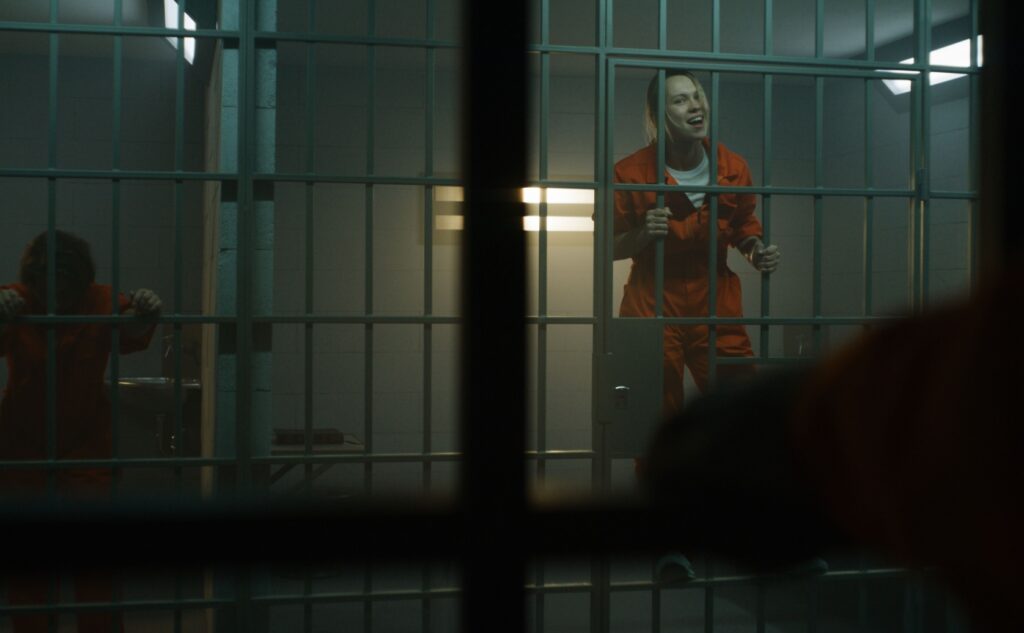
Why Inmates Are Transferred Between Centres
Transfers happen for many reasons under the Correctional Services Act 111 of 1998 and its regulations. Common grounds include security classification, overcrowding, the need for specialised medical care, participation in a rehabilitation programme, attendance at a court hearing in another town, or to place a prisoner closer to family.
Each transfer affects visitation, communication, and the prisoner’s access to their lawyer. Knowing why a move occurred helps you ask the right questions when you contact the Department of Correctional Services. It also helps a legal representative assess whether the transfer followed proper procedure.
Step 1: Gather the Inmate’s Details Before You Search
DCS cannot give out location information from a first name alone. Before you begin the search, collect as much of the following as possible:
- The inmate’s full names and surname, exactly as they appear on their ID.
- The South African ID number, or passport number for foreign nationals.
- The prisoner number, sometimes called the inmate number, once one has been allocated.
- The name of the last correctional centre where the person was held.
- The approximate date of arrest, sentencing, or last known transfer.
The more accurate the identifiers, the faster DCS can locate the file. A prisoner number is the single most useful piece of information because it is unique and stays with the person across centres.
Step 2: Contact the Last Known Correctional Centre First
Start with the correctional centre that last held the person. Each centre keeps a movement register that records when a prisoner arrives and when they are transferred out, together with the destination. Telephoning the centre’s head, or the unit responsible for the prisoner, is usually the quickest first step.
Be ready to prove your relationship to the inmate. DCS will generally confirm a location to a spouse, parent, sibling, or child, and to a legal representative, but may refuse to disclose details to a distant relative or friend. If the centre will not confirm the transfer, ask them to escalate the query to the relevant regional office.
Step 3: Escalate to the DCS Regional or Head Office
South Africa’s correctional system is divided into management regions, each with a regional commissioner. If the local centre cannot help, contact the regional office for the area where the prisoner was last held. The Department of Correctional Services head office in Pretoria maintains the national records and can also be approached for assistance.
When you call, keep a written note of the date, the name of the official, and what was said. If information is refused, ask for the reason in writing. A paper trail is invaluable if the search drags on or if a legal representative later needs to intervene on the family’s behalf.
Step 4: Confirm the New Location and Visiting Conditions
Once DCS confirms the new facility, ask for the details you will actually need to maintain contact:
- The full name and physical address of the receiving correctional centre.
- The prisoner’s new prisoner number, if it has changed.
- The approved visiting days, visiting times, and the documents a visitor must bring.
- The procedure for depositing money into the prisoner’s tuck account.
- Any restrictions, such as a ban on contact visits, that apply after the transfer.
Transfers sometimes trigger a short lockdown period during which visits are not allowed, so confirm the earliest date a visit can take place before you travel.
Requesting a Transfer Closer to Home
Families often want an inmate moved to a centre nearer to home so that visits are possible. The Correctional Services Act 111 of 1998 allows a sentenced prisoner, or someone acting on their behalf, to apply for a transfer. The request is considered by the Commissioner or delegate under section 27 of the Act, and it must be weighed against security, sentence plan, and administrative factors.
A transfer request is stronger when it is supported by reasons such as family contact that supports rehabilitation, ongoing medical treatment, or participation in a specific programme. A lawyer can help frame the motivation and engage with the relevant DCS committee. There is no automatic right to a transfer, but a well-motivated application is taken seriously.
What to Do If You Cannot Find the Inmate
If the local centre, the regional office, and head office cannot confirm a location, the matter may need legal intervention. A legal practitioner can approach DCS formally, lodge a complaint with the Judicial Inspectorate for Correctional Services, or, in extreme cases of unexplained absence, approach the High Court. Section 35 of the Constitution gives a detained person the right to challenge the lawfulness of their detention, and that right extends to being held in an undisclosed location.
Frequently Asked Questions
Is there a public online inmate locator in South Africa?
No. South Africa does not operate a public, real-time online inmate locator. Inmate location information is held by the Department of Correctional Services and is released to verified next of kin, legal representatives, and people with a recognised interest. A genuine inmate transfer search means contacting the relevant correctional centre, the regional office, or the DCS head office.
What information do I need to find a transferred inmate?
You will need the inmate’s full names and surname, South African ID number or passport number, prisoner number if known, the last known correctional centre, and the approximate date of arrest, sentencing, or last transfer. The prisoner number is the most useful identifier because it is unique and follows the person across centres.
Can family members request an inmate transfer closer to home?
Yes. Under the Correctional Services Act 111 of 1998, a sentenced prisoner or someone acting on their behalf may apply for a transfer. The Commissioner or delegate considers the request under factors such as security, the inmate’s sentence plan, overcrowding, and the value of family contact to rehabilitation. There is no automatic right to a transfer, but a well-motivated application carries weight.
How long does it take to find an inmate after a transfer?
There is no fixed timeframe. If you contact the last known correctional centre directly, a movement entry can often be confirmed within a day or two. If the matter has to be escalated to a regional office or head office, it can take longer. Keeping the prisoner number and a written record of each enquiry speeds up the process.
What should I do if DCS will not tell me where the inmate is?
If the local centre, the regional office, and head office cannot confirm a location, a legal representative can engage DCS formally, lodge a complaint with the Judicial Inspectorate for Correctional Services, or approach the High Court. Section 35 of the Constitution gives a detained person the right to challenge the lawfulness of their detention, including being held in an undisclosed location.
Get help with an inmate matter. The Criminal Law department at Otrebski Attorneys assists families with locating transferred inmates, engaging the Department of Correctional Services, and preparing transfer applications under the Correctional Services Act 111 of 1998. Our 100% women-led, Level 4 B-BBEE practice works from a single Sandton office, and Director Nastasja Otrebski leads the team that handles criminal and correctional matters for clients across South Africa.
Call 060 500 3098 or book an appointment with our Criminal Law team.
Disclaimer. This article is general information about South African correctional services procedure, not legal advice for a specific matter. Inmate location, transfer, and visitation rules turn on the facts of each case and on current DCS practice. For advice about a particular inmate, consult a qualified attorney or Legal Aid South Africa.