
Driving under the influence of alcohol is treated as a serious criminal offence in South Africa, not a minor traffic infringement. A conviction under section 65 of the National Road Traffic Act 93 of 1996 can reach into almost every part of a person’s life, from their driving privileges and criminal record to their work, their finances, and their ability to travel.
Many drivers only appreciate how wide-ranging these consequences are once they are standing in court. By that stage, the choices that shape the outcome have often already been made. Understanding what the law actually provides is the first step toward making better decisions, whether the matter is still under investigation or has already gone to trial.
This article explains the legal consequences of a DUI conviction in South Africa: the criminal penalties the court can impose, the effect on a driver’s licence, the long-term impact on a criminal record, and the knock-on consequences for insurance and employment.
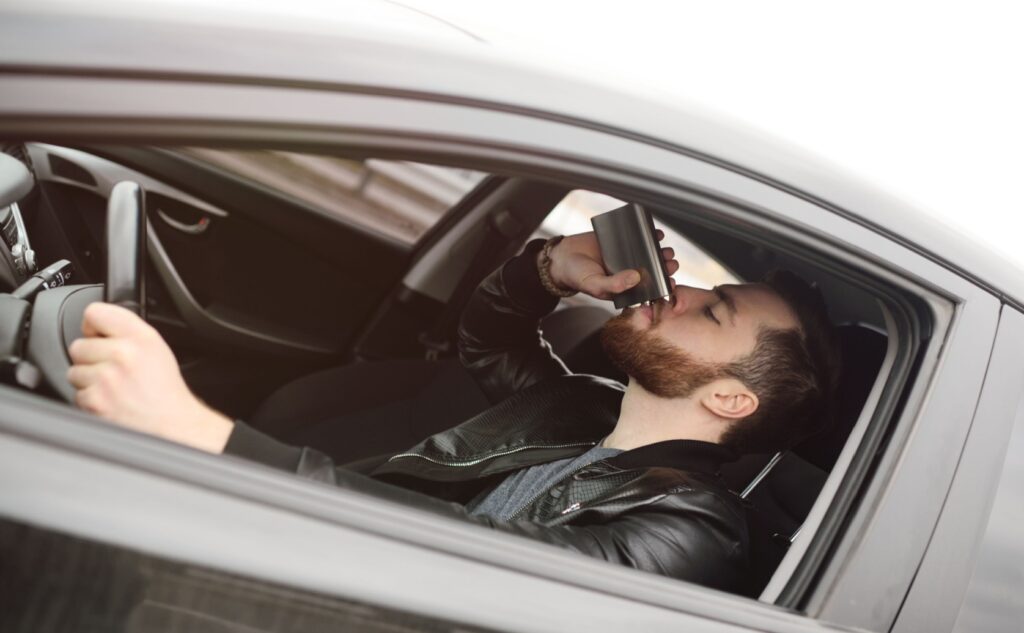
The Offence Under Section 65 of the National Road Traffic Act
Section 65 of the National Road Traffic Act 93 of 1996 makes it an offence to drive, or to occupy the driver’s seat of a motor vehicle, while the concentration of alcohol in the blood or breath exceeds the prescribed limit. The legal blood-alcohol limit for ordinary drivers is 0.05 grams per 100 millilitres, while the limit for professional or commercial drivers is stricter, at 0.02 grams per 100 millilitres.
The offence is not limited to a particular reading on a device. A driver may also be convicted where the evidence shows that they were under the influence of alcohol or drugs to such an extent that they were not capable of driving safely. This is why observations by arresting officers, the manner of driving, and the results of breath or blood testing all become relevant at trial.
Crucially, a conviction under section 65 is recorded as a criminal conviction. It is not a traffic fine that simply disappears once it is paid. The implications of that distinction run through every consequence that follows.
Criminal Penalties: Fines, Imprisonment, and Suspended Sentences
Once a court finds a driver guilty of driving under the influence, it has a discretion over sentence. The penalties available under the statutory framework and the Criminal Procedure Act 51 of 1977 include:
- A fine, imprisonment, or both, imposed at the discretion of the court
- A sentence of imprisonment that is wholly or partly suspended on strict conditions
- Correctional supervision as an alternative to direct imprisonment, where appropriate
- An order that the accused attend a treatment or rehabilitation programme
The court’s approach to sentence is shaped by factors such as the blood-alcohol reading, whether the offence involved an accident, injury, or loss of life, whether there was property damage, and the accused’s previous convictions. First-time offenders often receive a fine, sometimes coupled with a suspended sentence, but a high reading or a serious accident can result in direct imprisonment even on a first offence. Repeat offenders face a markedly higher risk of prison.
Driver’s Licence Suspension, Cancellation, and Endorsement
Beyond the criminal penalty, a DUI conviction gives the court separate powers over the driver’s licence. These powers are additional to any fine or imprisonment and are aimed specifically at road safety.
- Suspension. The driver’s right to drive is removed for a fixed period, after which the licence is normally reinstated, subject to any conditions set by the court.
- Cancellation. The licence is taken away entirely. To drive lawfully again, the person must reapply for a licence and be retested as if they were a new applicant.
- Endorsement. The conviction is recorded against the driving record held by the relevant traffic authority, and in some cases it is physically noted on the licence document itself.
Whether the court suspends or cancels a licence depends on the seriousness of the offence, the reading, and the driver’s history. Endorsement is treated separately because it creates a lasting record that future authorities and insurers may rely upon, even after the period of suspension has ended.
The Criminal Record and Its Long Life
A DUI conviction is recorded against the offender’s name by the South African Police Service. That record does not clear itself with the passage of time. It can surface later in police clearance certificates that employers, licensing authorities, and foreign governments regularly request.
- A criminal record can disqualify a person from positions of trust, particularly in finance, security, education, and government
- Visa and emigration applications may be affected, because many countries require applicants to disclose criminal convictions
- Professional regulators often require members to disclose any criminal conviction, which can trigger disciplinary processes
- The record generally remains until and unless the conviction is expunged, typically after ten years free of further convictions and only where the offence qualifies
Expungement is not automatic. It is a separate application process, and many drink-driving matters fall outside the categories that qualify. For most convicted drivers, the practical reality is that the record stays for a considerable time.
Insurance and Employment Consequences
The effects of a DUI conviction reach well beyond the courtroom. Insurers and employers both treat a drink-driving conviction as a serious risk marker, and the impact can be felt years after the court matter has ended.
- Insurers may raise premiums substantially, impose exclusions for alcohol-related claims, or refuse to renew cover altogether
- If a policy required disclosure of convictions and the conviction was not disclosed, the insurer may seek to repudiate a later claim
- Employers who require a clean driving record, or who transport passengers or goods, may treat a DUI conviction as a disqualifying factor
- Roles that depend on reputation and trust can be put at risk, even where driving is not part of the work
Some of these consequences are unavoidable once the conviction is entered. Understanding them in advance. Allows a driver to plan, to disclose where the law or a contract requires, and to take proper advice on managing the wider fallout.
Refusing a Breath or Blood Test
Drivers sometimes believe that refusing to submit to a breathalyser or blood test will leave the police with no evidence and the matter will fall away. In practice, refusal carries its own consequences and is seldom the safe option it appears to be.
- Refusal can be used as evidence capable of supporting an inference of guilt at trial
- The licensing authority may treat refusal as a basis for suspending the driver’s licence administratively
- Where a blood sample is eventually compelled, the reading obtained is often the most powerful evidence in the case
- Refusal tends to weigh against the accused at sentence, because it can be presented as a lack of remorse or cooperation
The safer course, when stopped on suspicion of driving under the influence, is to comply with the lawful instructions of the officer and to take legal advice as soon as possible afterwards.
Frequently Asked Questions
Is driving under the influence a criminal offence or a traffic offence in South Africa?
It is a criminal offence. A conviction under section 65 of the National Road Traffic Act 93 of 1996 is recorded as a criminal conviction against your name by the South African Police Service, and it does not simply fall away once a fine is paid.
Can you go to prison for a first DUI offence in South Africa?
Yes, it is possible. Section 65 allows the court to impose a fine, imprisonment, or both. A first-time offender with a lower reading and no accident will often receive a fine, possibly with a suspended sentence, but a high reading, an injury, or other aggravating circumstances can result in direct imprisonment even on a first offence.
Will my driver’s licence be suspended after a DUI conviction?
The court has the power, after a DUI conviction, to suspend or cancel your driver’s licence and to endorse the conviction on your driving record. Whether suspension or cancellation is imposed depends on factors such as the blood-alcohol reading, whether there was an accident or injury, and any previous similar convictions.
How long does a DUI conviction stay on your criminal record?
A DUI conviction remains on your criminal record until and unless you successfully apply to have it expunged. Expungement is generally only available after ten years without further convictions and only where the offence falls within the qualifying category, so the record often remains for a considerable time.
How does a DUI conviction affect insurance and employment?
Insurers may raise premiums, impose exclusions, or refuse to renew cover, and non-disclosure of the conviction can lead to a later claim being repudiated. Employers who require a clean driving record, or who work in regulated sectors, may treat a DUI conviction as a disqualifying factor, and the conviction can also affect visa applications and professional registrations.
Get help with a criminal law matter. The Criminal Law department at Otrebski Attorneys advises drivers facing or convicted of drink-driving charges on sentence, licence consequences, and the wider impact of a record. Our 100% women-led, Level 4 B-BBEE practice works from a single Sandton office, is rated 5 stars across 12 reviews, and has Director Nastasja Otrebski overseeing criminal matters.
Disclaimer. This article is general information about South African road traffic and criminal law, not legal advice for a specific case. Sentencing outcomes, licence consequences, and the treatment of criminal records depend on the facts of each matter and on current court and traffic-authority practice. For advice on a particular DUI matter, consult a qualified attorney.
Get Legal Help Today
Speak to an Otrebski Attorneys lawyer about your matter, or request an appointment and we will call you back.
☎ Call 060 500 3098WhatsApp Us