
A drunk driving accident is where a routine traffic offence turns into something far more serious. South Africa prosecutes driving under the influence under section 65 of the National Road Traffic Act 93 of 1996, but when that driving causes a crash, the criminal and civil exposure multiplies. A driver who walked away from a ordinary DUI charge can suddenly face culpable homicide, attempted murder, or reckless and negligent driving charges on exactly the same set of facts.
The reason is that the law looks at consequences, not only conduct. A breathalyzer reading above the prescribed limit establishes one offence; the injuries, deaths, and property damage that follow can establish several more. On top of the criminal case, the driver will usually face a civil claim for damages brought by the injured party, their insurer, or the dependants of someone who died. These proceedings can run at the same time and they interact in ways that are easy to get wrong without advice.
This article sets out, in practical terms, what happens legally after a drunk driving accident in South Africa: the aggravated criminal charges, the civil liability, and the steps to take at the scene and in the days that follow. It is general information and not a substitute for advice on a specific case.
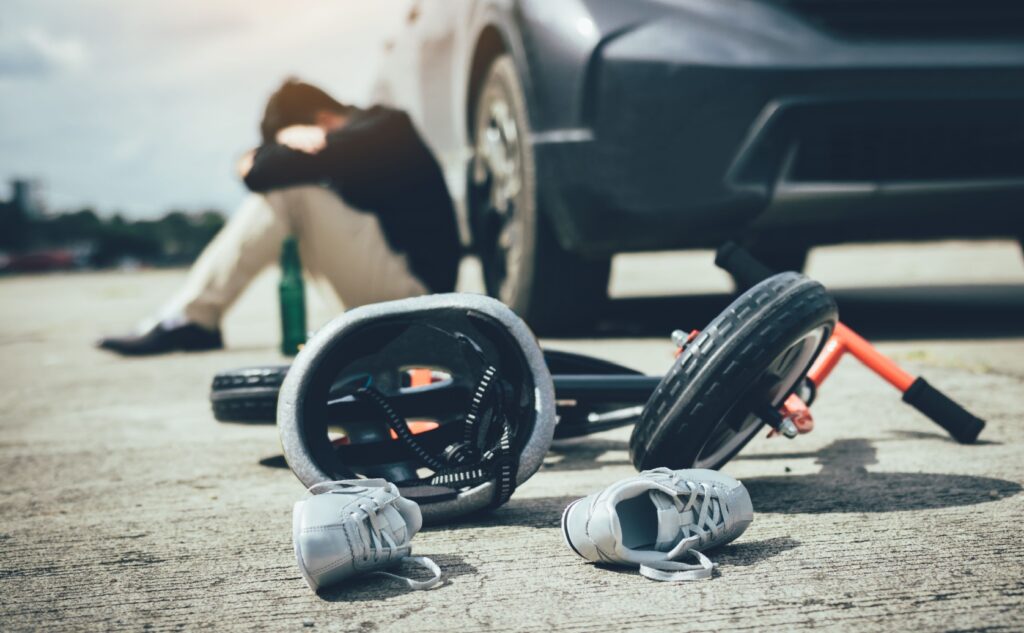
When a DUI Crash Becomes More Than a Traffic Offence
The starting point is section 65 of the National Road Traffic Act 93 of 1996, which makes it an offence to drive while the concentration of alcohol in blood or breath exceeds the prescribed limit, or while under the influence of intoxicating liquor. On its own this is a magistrate’s court matter punishable by a fine or imprisonment, with licence endorsement or suspension almost certain.
When the same driving causes a collision, the State rarely stops at section 65. The National Prosecuting Authority will look at the consequences of the driving, not just the fact of it, and add charges that reflect the harm done. A defendant who pleads guilty to the DUI count is not, by that plea alone, protected from the more serious charges that flow from the crash.
- The section 65 offence stands. Driving over the limit, or while under the influence, remains the foundation charge and is usually the easiest for the State to prove on the breathalyzer or blood result.
- Harm aggravates the case. Where a victim was injured or killed, the prosecutor will layer additional common law and statutory charges on top of the DUI count.
- Sentence rises sharply. A first-offender fine is rare once a crash causing injury or death is on the charge sheet, and direct imprisonment becomes a real possibility.
Criminal Charges After a Drunk Driving Accident
Beyond the section 65 offence, a drunk driver who causes a crash in South Africa can face any of the following charges, and frequently several of them at once.
- Reckless or negligent driving. A statutory offence under the National Road Traffic Act, used where the standard of driving fell far below that of a reasonable driver. It is a common alternative count in injury collisions.
- Culpable homicide. A common law charge laid where the unlawful, negligent driving of the accused caused the death of another person. It is the charge most often brought when a drunk driving crash is fatal, and a conviction can carry a substantial term of imprisonment.
- Attempted murder. Rare, but possible where the State can prove the driver had actual intent to kill, rather than mere negligence. Most drunk driving crashes are charged as culpable homicide rather than attempted murder because the mental element is different.
- Driving under the influence and excess alcohol. The underlying section 65 counts are usually retained on the charge sheet alongside the more serious offences.
The Criminal Procedure Act 51 of 1977 governs how these matters proceed in the magistrate’s court or, in serious cases, the High Court. Bail, disclosure of the police docket, the right to silence, and the right to a fair trial under section 35 of the Constitution all apply. The strength of the State’s case often turns on the blood-alcohol analysis, the accident reconstruction, and the eyewitness statements, which is why instructing a criminal defence attorney early matters.
Civil Liability for Damages After the Crash
A criminal conviction is only half the picture. South African delictual law lets an injured party, or the dependants of someone who died, sue the drunk driver privately for the patrimonial and non-patrimonial losses caused by the crash. This civil claim runs on a different track from the criminal prosecution and is decided on a balance of probabilities, a lower threshold than beyond reasonable doubt.
- Medical expenses, past and future, including hospital, rehabilitation, and ongoing care costs.
- Loss of income or earning capacity, where the injured person can no longer work or works at a reduced level.
- General damages for pain, suffering, disfigurement, and loss of the amenities of life.
- Loss of support claims by dependants where the crash was fatal, often pursued through the deceased’s estate.
- Damage to the vehicle and other property, typically handled through the insurer.
In practice the civil claim is often driven by the Road Accident Fund for bodily injury, while the driver’s own short-term insurer deals with vehicle damage. Where alcohol was involved, the driver’s insurer may repudiate cover, which can leave the driver personally exposed to the full repair bill. A conviction in the criminal court is strong, though not decisive, evidence of negligence in the civil claim.
What to Do at the Scene of a Drunk Driving Accident
The first minutes after a crash matter for safety, for the investigation, and for any later criminal or civil case. The steps you take, and the steps you deliberately do not take, can shape the outcome for years.
- Make the scene safe and call help. Stop immediately, switch on the hazard lights, and check yourself and others for injuries. Call an ambulance for anyone hurt and the South African Police Service for the scene.
- Report the accident to the police. Section 61 of the National Road Traffic Act requires that a crash causing injury or death, or property damage above a fixed threshold, be reported at a police station within 24 hours. Get a case number.
- Cooperate with the investigation, within limits. You must give your name, address, vehicle registration, and licence details. You are not obliged to make a statement about how the crash happened, and you have the right to silence on the criminal aspect until you have spoken to a lawyer.
- Submit to testing if requested. The arresting officer may require a breathalyzer or blood sample. Refusing without a valid medical reason is itself an offence and is often treated by the court as an adverse inference.
- Gather evidence. Photograph the vehicles, the road, road signs, weather conditions, and any visible injuries. Note the names and contact details of independent witnesses before they leave.
- Avoid admissions. Do not apologise, accept blame, or discuss the cause with the other driver, bystanders, or the other party’s insurer at the scene. Anything said can be repeated in court.
What to Do in the Days That Follow
The work that protects a driver, or a victim, after a drunk driving accident is mostly done away from the road, in the days and weeks that follow. Acting early keeps options open; waiting tends to close them.
- Instruct a criminal defence attorney. If you were arrested or charged, appoint an attorney before the first court appearance. The attorney will request the docket, examine the chain of custody for the blood sample, and advise on plea options under the Criminal Procedure Act.
- Get a medical report. If you were injured, even slightly, attend a doctor or hospital and keep the records. Medical evidence underpins both the criminal defence and any civil claim.
- Report the crash to your insurer. Do this promptly and accurately, but do not concede fault. Drunk driving gives an insurer grounds to decline cover, so take advice before making a detailed statement.
- Preserve everything. Keep the vehicle, the damage, the clothing, the photographs, the case number, and the bail or charge documents in one place. Lost evidence rarely helps the person who lost it.
- If you are the victim, open a civil file. Injured parties and the families of those killed should open a claim without delay, because prescription periods apply and the civil process can take years.
Frequently Asked Questions
What criminal charges can follow a drunk driving accident in South Africa?
A drunk driving accident can lead to several charges at once. The starting point is the section 65 National Road Traffic Act offence of driving under the influence or with excess alcohol. On top of that, the State commonly adds reckless or negligent driving, culpable homicide where someone died, and in rare cases attempted murder where actual intent can be proved. The Criminal Procedure Act 51 of 1977 governs the proceedings in the magistrate’s court or High Court.
Can a drunk driver be sued civilly as well as prosecuted criminally in South Africa?
Yes. A criminal prosecution under the National Road Traffic Act does not prevent a private civil claim. An injured party, or the dependants of someone killed, can sue the driver in delict for medical expenses, loss of income or earning capacity, general damages for pain and suffering, loss of support, and property damage. The civil claim is decided on a balance of probabilities and a criminal conviction is strong evidence of negligence in the civil case.
How long do you have to report a drunk driving accident to the police?
Section 61 of the National Road Traffic Act 93 of 1996 requires that an accident causing injury or death, or property damage above the prescribed threshold, be reported to a police station within 24 hours. The report should be made immediately if anyone is hurt or killed. A case number should be obtained and kept for insurance and legal purposes.
Can you refuse a breathalyzer or blood test after a drunk driving accident?
Refusing a breathalyzer or blood sample without a valid medical reason is itself a criminal offence in South Africa, and a court may draw an adverse inference from the refusal. The police are entitled to take a blood sample from a driver involved in a crash, and the sample is then analysed to establish the blood alcohol concentration for use in the section 65 prosecution.
Will car insurance pay out after a drunk driving accident in South Africa?
Not necessarily. Most short-term insurance policies exclude cover where the driver was under the influence of alcohol or drugs, which means the insurer may repudiate the claim and leave the driver personally liable for vehicle damage and the damage caused to third parties. Bodily injury claims by victims are typically handled through the Road Accident Fund rather than the driver’s insurer. Always report the accident to the insurer but take legal advice before accepting fault.
Get help with a criminal law matter. A drunk driving accident can attract criminal charges, a civil damages claim, and an insurance dispute all at once. The Criminal Law department at Otrebski Attorneys reviews the docket, advises on the plea, deals with the police and the Road Accident Fund, and stands with you in the magistrate’s court. We are a 100% women-led firm with a Level 4 B-BBEE rating, rated 5 stars across 12 reviews, working from our single Sandton office, and our Director Nastasja Otrebski leads the team that represents accused drivers and injured parties across Gauteng and South Africa.
Call 060 500 3098 or book an appointment with our Criminal Law team.
Disclaimer. This article is general information about South African criminal, road traffic, and delictual law, not legal advice for a specific matter. Charges, sentencing outcomes, civil liability, and court procedure depend on the facts of each case and on current practice in the relevant court. For advice about a particular accident or charge, consult a qualified attorney or Legal Aid South Africa.
Get Legal Help Today
Speak to an Otrebski Attorneys lawyer about your matter, or request an appointment and we will call you back.
☎ Call 060 500 3098WhatsApp Us