
Parole is the conditional release of a sentenced person from a correctional centre before the full prison term has ended, allowing them to serve the remainder of the sentence inside the community under strict supervision. In South Africa it is governed by the Correctional Services Act 111 of 1998 and decided by the Correctional Supervision and Parole Board.
Parole is not a pardon and it is not early release in the casual sense. The conviction stays on the person’s record, the sentence continues to run, and the released person, called a parolee, must obey a set of court-ordered conditions. If they break any condition, they can be sent back to a correctional centre to finish the sentence behind closed doors.
This primer sets out the basics of parole in plain language: what it is, who grants it, who qualifies, what conditions apply, and what happens when those conditions are breached. In South Africa the official term is “correctional centre,” not “jail,” and you will see both words used below.
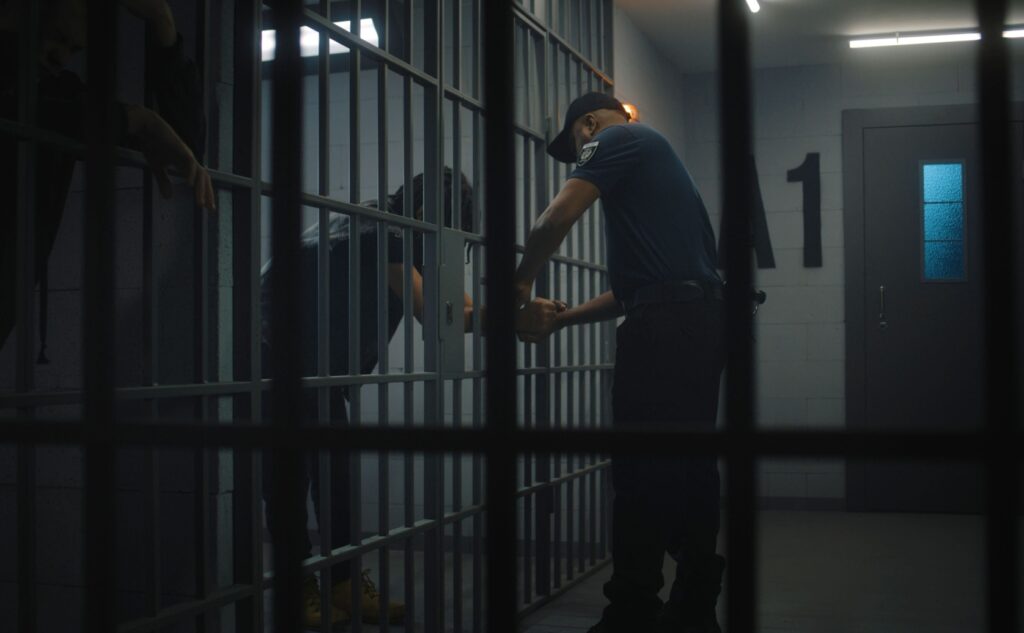
What Parole Means in South African Law
In simple terms, parole is the structured release of an offender into the community after they have served a minimum portion of their sentence. The person remains “under sentence,” meaning the court’s punishment has not ended. Only the place where the sentence is served changes.
The legal framework is the Correctional Services Act 111 of 1998. Read together with the Constitution, the Act treats parole as part of rehabilitation, not as a reward. The Department of Correctional Services runs the system, and the independent Correctional Supervision and Parole Board makes the actual release decisions.
Parole is often confused with neighbouring legal ideas. The distinctions matter because each tool does a different job:
- Parole vs. bail: Bail is paid before trial so an accused person can wait for their case at home. Parole only arises after conviction and after a portion of the sentence has been served.
- Parole vs. a suspended sentence: A suspended sentence is imposed by the court at sentencing and can keep an offender out of a correctional centre altogether. Parole requires the person to first serve time inside.
- Parole vs. a pardon: A presidential pardon wipes out or reduces the conviction. Parole leaves the conviction intact and only changes where the sentence is served.
- Parole vs. remission: Remission shortens the total sentence, usually for good behaviour. Parole does not shorten the sentence; it releases the person under supervision until the sentence date arrives.
Who Grants Parole in South Africa
Parole is granted by the Correctional Supervision and Parole Board, an independent body established under Chapter VII of the Correctional Services Act. The Board is not a court, and it is not the prison head. It sits as a separate decision-making tribunal that reviews each case on its own facts.
The Board’s members include officials from the Department of Correctional Services together with community representatives, which is meant to bring an outside perspective into release decisions. A prisoner does not have an automatic right to be released; they have a right to be considered once they reach their eligibility date.
When the Board considers a case it looks at several factors, including the risk the person poses to the public, the progress they have made through rehabilitation programmes, their behaviour inside the correctional centre, the support waiting for them at home, and any input from the victim. Victims have a statutory right to make representations or to attend the hearing.
The Basic Idea of Eligibility
Eligibility refers to the date at which a sentenced person can first be considered for parole. Reaching that date does not guarantee release; it simply opens the door for the Board to review the file. The general milestones under the Act are straightforward:
- Sentences of 12 months or less: an offender may be placed under correctional supervision in the community after serving a set portion of the term.
- Determinate sentences longer than 12 months: the person must usually serve at least one half of the sentence, or a longer non-parole period set by the sentencing court, before being considered.
- Life imprisonment: a person sentenced to life must serve at least 25 years before the Board can consider them, unless the court ordered a longer non-parole period.
A sentencing court can also direct that a portion of the sentence must be served before any parole consideration. This is called a non-parole period, and it binds the Board. The exact calculation depends on the date of the offence, because the law has been amended over the years, so a person’s file is checked against the version of the Act that applied at the time of sentencing.
Conditions of Parole
If the Board approves release, the parolee signs a set of conditions. These are not negotiable once imposed, and they are tailored to the individual’s risk profile. Typical conditions include the following:
- Reporting: regular visits to a Community Corrections office and to an assigned parole officer.
- Restrictions on movement: staying within a defined magisterial district and not travelling outside it, or out of South Africa, without written permission.
- Curfews: being at a confirmed home address during set hours, often overnight.
- Programme attendance: continuing with counselling, substance abuse treatment, anger management, or other programmes set by the Board.
- Restrictions on association: not contacting victims or co-offenders, and avoiding places such as bars, shebeens, or gambling venues.
- Work or study: being in employment, job-seeking, or in education where possible.
Community Corrections officials monitor compliance through office visits, home visits, and electronic monitoring where it is ordered. The parolee is still in the care of the Department of Correctional Services while they live in the community.
What Happens If Parole Conditions Are Breached
Parole is a privilege that lasts only as long as the person complies with the conditions. A breach can be minor, such as arriving late for a check-in, or serious, such as being arrested for a new offence. The consequences flow from the nature of the breach:
- Warning or stricter conditions: the parole officer may issue a warning or add conditions for a first or minor breach.
- Arrest and revocation: for serious or repeated breaches the Board can issue a warrant, arrest the parolee, and revoke the placement, sending them back to a correctional centre.
- New charges: if the breach involves a new crime, the person faces fresh criminal prosecution alongside the revocation process, and any new sentence can run consecutively to the original one.
A parolee who is unhappy with a revocation decision has the right to make representations and, where appropriate, to approach a court to review the Board’s decision. Legal representation is allowed at every stage.
Why Parole Exists at All
Parole is sometimes criticised as “going soft,” but the system exists for concrete reasons. The Correctional Services Act ties its purpose to rehabilitation, aligning with the goals of correctional services that the Constitution treats as a goal of sentencing. The main benefits are practical:
- Structured re-entry: a controlled transition from a correctional centre back into society reduces reoffending compared with releasing someone on their sentence date with no supervision.
- Overcrowding: South African correctional centres are severely overcrowded. Responsible parole placement eases that pressure without compromising safety.
- Incentive for good behaviour: the possibility of being considered for parole encourages inmates to attend programmes, study, and follow the rules.
- Family and community ties: gradual re-entry helps people rebuild relationships, find work, and re-establish a stable life.
None of this means parole is automatic. It means the law uses it as one tool, among several, to balance punishment, public safety, and rehabilitation.
Frequently Asked Questions
What is parole in simple terms?
Parole is the conditional release of a sentenced person from a correctional centre into the community before the full sentence ends. The person is still serving the sentence and must follow strict conditions set by the Correctional Supervision and Parole Board.
Who grants parole in South Africa?
Parole is granted by the Correctional Supervision and Parole Board, an independent body established under the Correctional Services Act 111 of 1998. The Board reviews each case on its own facts and considers risk, rehabilitation progress, behaviour, home support, and victim input.
Is parole the same as a pardon?
No. A pardon removes or reduces the conviction itself. Parole leaves the conviction intact and simply allows the remainder of the sentence to be served in the community under supervision.
What happens if parole conditions are broken?
A breach can lead to a warning, stricter conditions, or the revocation of parole. For serious breaches the Board can issue a warrant, arrest the parolee, and return them to a correctional centre. If the breach involves a new crime, separate criminal charges will also follow.
When can a prisoner first be considered for parole?
It depends on the sentence. For most determinate sentences the person must serve at least half of the sentence, or any longer non-parole period set by the court. For life imprisonment the minimum is 25 years before the Board can consider the case, unless the court ordered a longer period.
Get help with a criminal law matter. If you or a family member is facing sentencing, preparing for a parole hearing, or dealing with the breach of a parole condition, Otrebski Attorneys’ Criminal Law department in Sandton can advise on the process and your rights. We are a 100% women-led, Level 4 B-BBEE firm with a 5-star reputation built on honest, practical defence work.
Disclaimer. This article is general information about parole in South Africa, not legal advice for a specific case. Parole eligibility and conditions depend on the sentence, the date of the offence, and the version of the Correctional Services Act that applies. For guidance on a particular matter, consult a qualified attorney or the Department of Correctional Services.
Get Legal Help Today
Speak to an Otrebski Attorneys lawyer about your matter, or request an appointment and we will call you back.
☎ Call 060 500 3098WhatsApp Us