
A drunk driving charge in South Africa is a criminal offence, not a traffic fine you can simply pay and forget. It appears on a criminal record, can carry a prison sentence, and almost always affects your driver’s licence. None of that means the case is hopeless. A charge is only the start of the State’s job, and the State must prove every element lawfully.
The realistic question is not “how do I get off no matter what”. It is how to build the strongest lawful defence to a charge under section 65 of the National Road Traffic Act 93 of 1996. That means testing the State’s evidence, checking that police followed procedure, and knowing when a plea option is the better path.
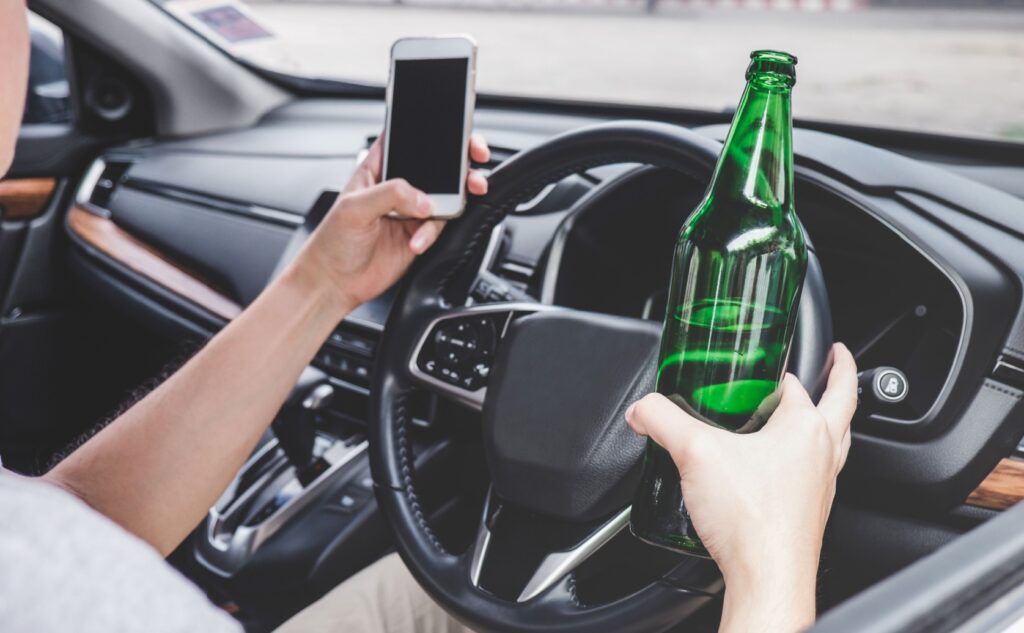
The Offence Under Section 65 of the National Road Traffic Act
Section 65 of the National Road Traffic Act 93 of 1996 creates several related offences. A driver may not drive while under the influence of intoxicating liquor or a drug with a narcotic effect, nor drive with a concentration of alcohol in blood or breath above the prescribed limit. The general blood alcohol limit is 0.05 grams per 100 millilitres; for professional drivers it is lower, at 0.02 grams per 100 millilitres.
Because the offence is criminal, the State must prove its case beyond reasonable doubt. That burden never shifts to the accused. Your defence starts by asking whether the State can actually discharge it on the evidence it has collected.
Assessing the Strength of the State’s Evidence
The first step in any DUI brief is a full audit of the State’s docket. This includes the arrest report, the breath or blood evidence, the chain of custody documents, the calibration certificates for any device used, and the officers’ statements. Weaknesses in any of these can be decisive.
Key questions are whether the accused was properly identified as the driver, whether the reading can be tied to the time of driving, and whether the evidence was collected within the time limits the law requires. A reading alone proves little if the foundation around it is defective.
Challenging the Legality of the Stop and Arrest
A roadblock or traffic stop must itself be lawful. If an officer stopped a vehicle without legal authority, or arrested a person without following the Criminal Procedure Act 51 of 1977, evidence flowing from that stop may be challenged. The Constitution excludes evidence admitted in a way that renders the trial unfair or is otherwise detrimental to the administration of justice.
This is not a technical loophole. It is a constitutional safeguard. Courts take unlawful police conduct seriously, and a properly raised challenge can lead to key evidence being excluded, which may collapse the State’s case entirely.
Questioning Breath and Blood Alcohol Evidence
Breath and blood evidence sounds scientific, but it is only as good as the process behind it. A breathalyser must be a type approved by the Minister, properly calibrated, and operated by someone competent to use it. Calibration certificates expire, and an out-of-date certificate can undermine the whole reading.
With blood samples, the issues are the chain of custody, the preservative in the tube, the time taken between driving and drawing blood, and the qualifications of the person who took the sample. The forensic analysis is usually done by the State laboratory, and a defence may instruct an independent forensic expert to review the method and result.
- Was the device an approved type and currently calibrated?
- Was the blood sample taken within the permitted time window?
- Was the chain of custody continuous and properly documented?
- Was the operator trained and authorised to take the sample?
Procedural Rights and Section 35 of the Constitution
Section 35 of the Constitution gives an arrested person the right to remain silent, to be informed of that right, and to be warned of the consequences of making a statement. An arrested person must also be taken to court without undue delay, normally within 48 hours, and is entitled to choose and consult a legal practitioner.
Where these rights are breached, the defence can raise it in court. A statement obtained without a proper warning, or after the right to legal advice was denied, may be challenged and potentially ruled inadmissible.
Plea Options Under the Criminal Procedure Act
Defence is not always about fighting to acquittal. The Criminal Procedure Act 51 of 1977 provides structured plea options that a defence lawyer will weigh against the strength of the State’s case.
Section 112 allows a guilty plea with a statement in mitigation, used where the State’s evidence is strong and a conviction is likely. Section 105A allows plea and sentence agreement, where the defence and the prosecution negotiate an agreed outcome before trial. Choosing the right option is part of building a strong defence, because the wrong fight can produce a worse result than a well-handled plea.
The Honest Limits of a Defence
No honest lawyer can promise a win on a DUI charge. Outcomes turn on the specific evidence, the magistrate, the police conduct, and the instructions of the client. What a defence lawyer can promise is that every lawful avenue is examined, that no procedural right is conceded by default, and that the client understands the realistic options before any decision is made.
Where the State’s evidence is overwhelming, the most defensible outcome may be a carefully negotiated plea rather than a contested trial. Knowing the difference is the value of proper legal advice.
How Otrebski Attorneys Approach a DUI Brief
Our Criminal Law team in Sandton approaches each drunk driving brief methodically. We start by examining the docket, then test the legality of the stop and arrest, the calibration and chain of custody of the evidence, and whether the accused’s constitutional rights were respected. We then advise, honestly, on whether to contest or to pursue a plea.
- Audit of the State docket and witness statements
- Review of breathalyser calibration and blood sample procedure
- Assessment of section 35 constitutional rights compliance
- Advice on contested trial versus section 105A plea agreement
Otrebski Attorneys is a 100% women-led firm with a 5-star Google rating across 12 reviews, a Level 4 B-BBEE rating, and a single office in Sandton led by Director Nastasja Otrebski. We focus on practical, principled defence work for clients across Gauteng and South Africa.
Building the Defence File: Evidence on Your Side
Testing the State’s evidence is only half of a drunk driving defence. The other half is the evidence the accused can gather. The strongest briefs usually combine both, because independent material can contradict the State’s timeline or corroborate the accused’s version.
Typical defence-side material includes: witness details for anyone who saw the driving, the stop or the arrest; dashcam or CCTV footage, including from filling stations, security cameras or complex cameras on the route travelled; GPS or route data that speaks to when and where the person drove; receipts that establish the timeline of the evening; and employment or character context that becomes relevant if sentence is ever in issue.
Medical context can also matter. Certain health conditions and medications can be relevant to how a breath or blood reading should be interpreted. This is not something to self-diagnose: raise your full medical history with your attorney so it can be assessed and, where justified, put to a forensic expert.
The First Days After a Drunk Driving Arrest
What happens in the first days after an arrest shapes the rest of the case. While events are fresh, write down everything: the time and place of the stop, the officer’s conduct, what was said, when warnings were given, and how long each step took. Photograph any bruising or damage, keep every document handed to you, and note the names and numbers of witnesses.
Do not discuss the case on social media, with the complainant, or with anyone else involved, and do not attempt to contact police witnesses. Anything you say can become evidence. The productive first moves are practical ones: secure an attorney before the first court appearance, collect the material above into one file, and take advice before making any statement.
Frequently Asked Questions
Can a first-time offender avoid jail for drunk driving in South Africa?
Depending on the reading, the circumstances, and the accused’s record, first-time offenders are often sentenced to a fine combined with a suspended or correctional sentence rather than direct imprisonment. Strong mitigation, placed properly before the court, makes a real difference.
How long does a drunk driving case take in South Africa?
It varies. A matter resolved through a section 105A plea and sentence agreement can conclude within a few months. A contested trial with forensic and constitutional challenges can take a year or longer, depending on the court roll and the disclosure process.
Can a breathalyzer reading be challenged?
Yes. A reading can be challenged where the device was not an approved type, was not calibrated, the calibration certificate had expired, the operator was not trained, or the testing procedure was defective. Each of these is a recognised line of defence.
What should I do immediately after being charged with drunk driving?
Note the time of the stop, the officers’ details, what you were told, and whether any documents were handed to you. Do not make further statements without legal advice, and contact a criminal law attorney promptly so that the docket and calibration records can be examined early.
Is drunk driving a criminal offence or a traffic infringement in South Africa?
It is a criminal offence under section 65 of the National Road Traffic Act 93 of 1996. A conviction results in a criminal record and can carry a fine, imprisonment, and suspension or endorsement of the driver’s licence.
Can a drunk driving case be withdrawn or struck from the roll?
Yes. A drunk driving case can end without a trial. The State may withdraw a charge where the evidence does not support proceeding, for example after the defence identifies defects in the stop, the readings, the chain of custody or the paperwork. A court can also strike a matter from the roll for unreasonable delay. Neither outcome is promised by any defence: both follow from the facts of the particular case.
What evidence helps my drunk driving case?
Independent material that contradicts the State’s version or supports yours: witness details, dashcam or CCTV footage of the driving or the arrest, GPS and route data, receipts establishing your timeline, and any relevant medical history. Collect it early, while footage still exists and memories are fresh, and hand it to your attorney as one file.
Should I plead guilty to drunk driving in South Africa?
Never before the docket has been assessed. A guilty plea to a criminal offence brings a record and licence consequences that are difficult to undo. Where the State’s evidence is strong, the Criminal Procedure Act provides structured plea options your lawyer can weigh, including options aimed at a fine rather than imprisonment. Where the evidence has weaknesses, pleading is often the wrong move. The decision needs the docket first.
Get help with a DUI charge. If you have been arrested or charged under section 65 of the National Road Traffic Act, Otrebski Attorneys’ Criminal Law team in Sandton can review the docket, test the evidence against you, and advise honestly on contesting the matter or pursuing a plea. Our women-led practice focuses on principled, practical defence work across Gauteng and South Africa.
Call 060 500 3098 or book an appointment with our Criminal Law team.
Disclaimer. This article is general information about South African drunk driving law and is not legal advice for a specific matter. DUI cases turn on their own facts and on current police and laboratory practice. For advice on a particular charge, consult a qualified attorney. The relevant law includes the National Road Traffic Act 93 of 1996 and the Criminal Procedure Act 51 of 1977, both of which may be amended.