
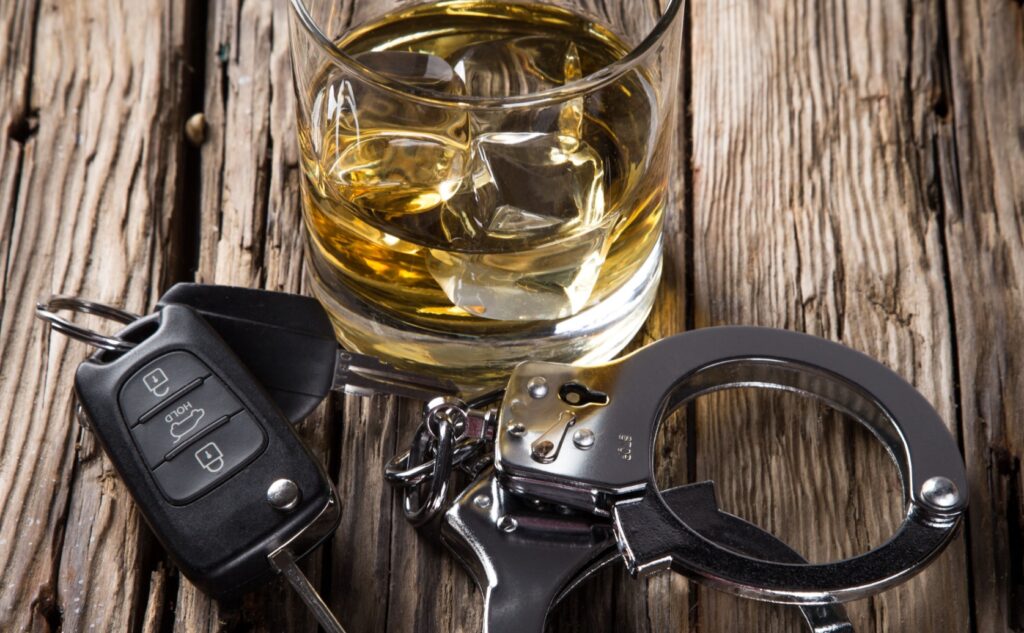
If you have been arrested for driving under the influence of alcohol or drugs in South Africa, you are probably wondering whether there is a “best plea deal” available to you. It is a sensible question, but the honest answer is that South African criminal procedure does not offer a United States-style plea bargain for driving under the influence (DUI) matters in the way television suggests.
What South African law does offer is a structured choice between pleading guilty, with a written plea explanation in mitigation of sentence, or pleading not guilty and proceeding to trial. In limited matters the National Prosecuting Authority (NPA) may enter into a formal plea-and-sentence agreement with an accused person. Which path is “best” depends entirely on the strength of the State’s evidence against you.
This article explains, in plain language, how DUI charges in South Africa work under South African law and what your realistic plea options are. It is general information, not legal advice. For guidance on your specific matter, consult a criminal law attorney.
The Law on Driving Under the Influence in South Africa
DUI is governed by section 65 of the National Road Traffic Act 93 of 1996. That provision makes it an offence to drive, or sit in the driver’s seat of, a motor vehicle on a public road while the concentration of alcohol in your blood or breath exceeds the prescribed legal limit. The current limit is a blood alcohol concentration of more than 0,05 grams per 100 millilitres of blood, or 0,24 milligrams per 1 000 millilitres of breath. For professional drivers, the limit is effectively zero.
A DUI conviction is a criminal conviction, not a traffic fine you can pay and forget. It stays on your criminal record, can carry a fine or imprisonment, and almost always results in a driver’s licence suspension. The severity of sentence depends on factors such as your blood alcohol concentration, whether anyone was injured, whether you have previous convictions, and how the matter is presented in court.
There Is No Formal “Plea Bargain” for DUI
South African criminal procedure does not have a routine, US-style plea bargaining system for DUI. What it does provide, under the Criminal Procedure Act 51 of 1977, is a set of formal routes a accused person can follow. Two of these are relevant to a DUI accused: a section 112 guilty plea with a written plea explanation in mitigation, and a section 105A plea-and-sentence agreement with the Director of Public Prosecutions.
The first is common; the second is rare for a first-offence DUI and is generally reserved for more serious matters or where there are sound policy reasons for the NPA to enter into an agreement. Understanding the difference matters, because it shapes what is realistically achievable in your matter.
Option 1: Plead Guilty With a Plea Explanation in Mitigation
Under section 112 of the Criminal Procedure Act 51 of 1977, an accused person may plead guilty to a DUI charge and, at the same time, hand a written statement to the court explaining the circumstances of the offence. This statement is read into the record and forms the factual basis on which the magistrate convicts and sentences you, without a full trial.
The value of this route lies in mitigation. The plea explanation lets you place before the court factors that argue for a lighter sentence, such as:
- It is a first offence, and you have no previous convictions.
- Your blood alcohol concentration was only marginally over the limit.
- No accident, injury, or property damage occurred.
- You are employed, support dependants, and a criminal record would have disproportionate consequences.
- You have shown genuine remorse, attended a substance-abuse programme, or completed community service voluntarily.
The magistrate is not bound to impose the sentence you ask for, but a well-drafted section 112 statement often results in a reduced fine, a wholly or partially suspended sentence, and a shorter licence suspension period. It does not avoid the conviction itself.
Option 2: Plead Not Guilty and Go to Trial
If the State’s evidence is weak, unlawfully obtained, or procedurally flawed, you may plead not guilty and require the State to prove its case beyond reasonable doubt. A DUI trial focuses on the admissibility and reliability of the blood-alcohol or breathalyser evidence, the chain of custody of samples, the calibration of the testing equipment, and whether the arresting officer followed the correct procedure.
Common issues a criminal law attorney will examine include:
- Whether the breathalyser or blood draw was performed by a properly authorised person.
- Whether the equipment was calibrated and the operator’s certificate was valid.
- Whether the blood sample chain of custody was preserved up to the laboratory.
- Whether you were informed of your rights, including the right to be examined by a medical practitioner of your own choice.
- Whether the arrest itself was lawful under the Criminal Procedure Act.
If any of these steps were not properly followed, the court may exclude the evidence or return a not-guilty verdict. This route carries more risk and more court time, but it is the only route that can result in an acquittal.
Option 3: A Section 105A Plea-and-Sentence Agreement
Section 105A of the Criminal Procedure Act 51 of 1977 allows an accused person and the NPA to enter into a formal written agreement in which the accused pleads guilty to a charge, or a lesser charge, in exchange for an agreed sentence. The agreement must be in writing, signed by both parties, and confirmed by a judicial officer before it takes effect.
These agreements are not routine in standard DUI prosecutions. They are more commonly used where there are complex factual issues, multiple charges, or where the NPA considers a negotiated outcome to be in the interests of justice. Whether one is available in your matter is a question only a criminal law practitioner can answer after consulting the relevant prosecutor for criminal law advice.
What “Best” Actually Means in a DUI Matter
Because there is no single, pre-packaged “best plea deal,” the right choice is the one that matches the evidence. If the State can prove its case cleanly, a section 112 guilty plea with strong mitigation is usually the most sensible route, because it limits the risk of a heavier trial sentence and demonstrates remorse. If the evidence is challengeable, a not-guilty plea and trial may produce a better outcome, including an acquittal.
Factors that influence which route is “best” include:
- Whether this is a first offence or a repeat offence.
- How far above the legal limit your reading was.
- Whether anyone was injured or killed.
- The quality and lawfulness of the State’s evidence.
- Your personal circumstances, including employment and dependants.
The Criminal Law department at Otrebski Attorneys, a 100% women-led Sandton firm, assesses each matter on its own facts before recommending a plea strategy. The firm does not promise a particular outcome; it gives honest, evidence-based advice so that you can make an informed decision.
You can read more about South African criminal procedure on the Department of Justice and Constitutional Development website, or browse South African case law on the Southern African Legal Information Institute (SAFLII) database. These are independent public resources and not affiliated with any law firm.
Frequently Asked Questions About DUI Plea Options
Is there a plea deal for DUI in South Africa?
South Africa does not have a routine US-style plea bargain for DUI. An accused person can plead guilty under section 112 of the Criminal Procedure Act 51 of 1977 with a written plea explanation in mitigation, or plead not guilty and proceed to trial. In limited matters a section 105A plea-and-sentence agreement with the NPA may be possible.
Should I plead guilty or not guilty to a DUI charge?
It depends on the strength of the State’s evidence. If the evidence against you is strong and lawfully obtained, a section 112 guilty plea with mitigation usually produces a lighter sentence. If the breathalyser or blood-alcohol evidence is challengeable, a not-guilty plea and trial may result in an acquittal.
Will a DUI plea affect my driver’s licence?
A DUI conviction under section 65 of the National Road Traffic Act 93 of 1996 almost always results in a driver’s licence suspension, in addition to a fine or imprisonment and a criminal record.
Can a first-time offender avoid jail for DUI?
First-time offenders with a reading only marginally over the limit, no accident, and genuine remorse often receive a fine with a suspended sentence of imprisonment rather than direct incarceration. Each matter is decided on its own facts.
Get help with a criminal law matter.
Disclaimer. This article is general information about South African criminal and road traffic law and is not legal advice. It does not create an attorney-client relationship. For guidance on your specific matter, consult a qualified criminal law attorney. Otrebski Attorneys is a 100% women-led, Level 4 B-BBEE law firm based in Sandton, Johannesburg, with a 5-star Google rating across 12 reviews.
Get Legal Help Today
Speak to an Otrebski Attorneys lawyer about your matter, or request an appointment and we will call you back.
☎ Call 060 500 3098WhatsApp Us