
Plea Bargaining Attorneys In Johannesburg
Section 105A Plea and Sentence Agreements, Negotiated From the Docket
The offer usually arrives when you are least able to judge it: weeks into remand at the Johannesburg Correctional Centre, after the prosecutor reads the docket aloud in the Fox Street cells corridor and proposes a deal. Under section 105A of the Criminal Procedure Act 51 of 1977 the agreement you sign becomes a conviction and sentence imposed by the court, and once the presiding officer has questioned you on it, withdrawal is only by leave. What happens before signing decides the next decade.
Otrebski Attorneys serves Johannesburg clients from its Sandton office, negotiating section 105A plea and sentence agreements in the city’s magistrates’, regional and high courts, scoped and priced per phase and built on docket analysis rather than the prosecutor’s framing of it.



Book a Consultation
A member of the Otrebski team will respond soon

Section 105A: The Only Lawful Plea Deal
South Africa has exactly one statutory plea bargain: section 105A of the Criminal Procedure Act 51 of 1977. Everything else – charge withdrawals, section 112(1)(b) sentences, prosecutor undertakings – is something else, with different rules and different risk.
The machinery of a lawful plea and sentence agreement:
- prosecutor’s authority to negotiate
- agreement in writing, signed
- accused legally represented throughout
- victim consultation and comment
- presiding officer questions the accused
- court may refuse and record its reasons
Section 105A permits the prosecutor, in consultation with the accused’s attorney and where authorised, to agree a plea of guilty to a charge – or a version of it – together with a sentence or sentencing range. The agreement must be in writing, the accused must be legally represented when it is made, the victim must be consulted and allowed to comment, and the presiding officer must question the accused to confirm the plea is genuine and the agreement just before convicting and sentencing on it.
The court is not a rubber stamp: it may refuse the agreement and must record its reasons, in which event trial proceeds on a plea of not guilty – but the prosecutor’s disclosed position has already shaped the record. Johannesburg’s rolls are among the busiest in the country, and the pressure to clear them is real; that pressure shapes offers, and it is why the decision to accept belongs to an attorney armed with the docket, never to an accused measuring remand time against a deal read aloud in the cells.
What a Plea-Bargaining Attorney Does
Before any negotiation: full docket analysis – what the State can actually prove, witness by witness, exhibit by exhibit – because negotiating power in the room is a function of weakness in the file.
In the negotiation: charge substitution and count consolidation, sentence ranges anchored to comparable cases, suspended-portion structuring, and the drafting of the agreement so that what is signed matches what was agreed. After: ensuring the 105A enquiry is properly conducted and preserving any review rights that survive it.
A plea deal is a verdict you negotiate. Negotiate it from the docket.
The Section 105A Path, Step by Step
How a plea and sentence agreement is properly reached.
Docket analysis first
Disclosure is obtained and tested: the strength of each witness, the exhibits, and the elements the State may not be able to prove.
Advice on options
The attorney prices the options against each other – trial risk, minimum-sentence exposure, remand time already served – so the choice is informed, not coerced by delay.
Negotiation with the prosecutor
Charge and sentence are negotiated with the prosecutor authorised under section 105A; the victim is consulted and afforded the opportunity to comment.
Agreement in writing
The plea and sentence agreement is reduced to writing and signed; the drafted wording is checked line by line before signature.
The 105A enquiry in court
The presiding officer questions the accused to confirm the plea is voluntary and the agreement just, then convicts and sentences accordingly – or refuses and records reasons.
After sentence
Compliance is managed, correctional processes explained, and any residual rights after the agreement are preserved where the law allows.
Which Courts Serve Johannesburg Clients
Johannesburg criminal matters run through the city’s court machinery:
- Johannesburg Magistrates’ Court – 26 Fox Street – the district seat for first appearances, bail and district trials.
- Johannesburg Regional Court – where section 105A agreements on serious charges from the city’s precincts are typically finalised.
- High Court, Gauteng Division – the most serious prosecutions and appeals.
Otrebski Attorneys serves Johannesburg clients from its Sandton office, minutes from the city’s courts.
How to Choose a Plea-Bargaining Attorney in Johannesburg
The attorney is the negotiator. Choose accordingly.
- Negotiates from the docket, not the offer.Ask what they will do before talking to the prosecutor; the answer should start with disclosure analysis.
- Section 105A fluency.Ask them to explain the 105A enquiry and what happens if the court refuses the agreement – a practitioner who cannot, has not run one.
- Trial credibility behind the negotiation.Prosecutors on the Johannesburg rolls negotiate seriously with attorneys who try cases; ask about trial experience at your charge level.
- Sentence-side knowledge.The value of a deal is in its sentence structure – suspended portions, fines in lieu, correctional supervision; ask for comparable sentences they have secured.
- No pressure to sign.An attorney who pushes a deal before analysing the docket is serving the roll, not you. And no ethical attorney promises a specific agreed sentence.
What Plea-Bargaining Representation Costs
As a market guide, plea-bargaining representation – docket analysis, negotiation and the 105A finalisation – commonly runs R15,000–R50,000 depending on the court level and docket size, against district trials from R15,000–R40,000 and regional trials substantially higher; attorneys commonly bill per appearance at roughly R1,500–R4,400 per hour or a phase fee agreed in advance.
These are market ranges, not quotations. A phase fee agreed in writing before negotiation is the sensible structure; confirm exclusions such as counsel’s brief and transcript costs. Otrebski Attorneys scopes each phase in writing with no hidden costs.
Plea Agreement vs Full Trial
Section 105A Agreement
A negotiated plea to the charge, or a reduced charge, with an agreed sentence or range – certainty, speed, and an end to remand.
The trade: a conviction that is final in substance, a criminal record, and waiver of the trial that might have acquitted.
Full Trial
The State must prove every element beyond reasonable doubt, and a weak docket acquits – but a strong one convicts without any negotiated ceiling on sentence.
The trade: months or years of roll dates at Fox Street or the regional court, trial risk unbounded by agreement, and costs that scale with every appearance.
| Issue | Plea Agreement | Full Trial |
|---|---|---|
| Outcome certainty | Agreed charge and sentence range | Verdict and sentence at large |
| Time to finality | Weeks, occasionally days | Months to years of roll dates |
| Docket weakness | Bargaining power to negotiate, not to walk free | The primary route to acquittal |
| Criminal record | Conviction recorded as agreed | Acquittal possible; conviction risk remains |
| Reversibility | Limited; withdrawal only by leave of court | Appeal and review routes preserved |
Common Mistakes to Avoid
Plea-bargain mistakes are signed and then permanent.
Frequently Asked Questions
What is a section 105A plea bargain?
It is a plea and sentence agreement under section 105A of the Criminal Procedure Act 51 of 1977: the prosecutor and the legally represented accused agree in writing on a guilty plea and a sentence or sentence range, the victim is consulted, and the court convicts and sentences on it only after questioning the accused and finding the agreement just.
Can the court reject a plea agreement?
Yes. The presiding officer may refuse to accept the agreement and must record the reasons; trial then proceeds as if the accused had pleaded not guilty. That possibility is exactly why the agreement must be defensible in court, not merely convenient.
Can I withdraw from a plea agreement after signing?
Only by leave of the court, and the prospects narrow sharply once the 105A enquiry has begun. This is not a cooling-off contract; the decision to sign must be made on full advice and docket analysis.
Should I accept the prosecutor’s first offer on a Johannesburg matter?
Not before the docket has been analysed. The city’s rolls are heavy, and first offers frequently overstate the provable charge or the realistic sentence; an attorney negotiating from disclosure weaknesses – identification problems, missing statements, inadmissible evidence – routinely improves both the charge and the range.
Does the complainant have a say in a plea bargain?
Yes. Section 105A requires the prosecutor to consult the victim and afford them a reasonable opportunity to make their views known before the agreement is concluded, though the final agreement rests with the prosecutor and the court.
Is a plea bargain available in serious matters like murder and armed robbery?
Section 105A can apply to serious offences, but the Director of Public Prosecutions’ authorisation requirements tighten as the gravity rises, and minimum-sentence legislation shapes what any agreement can sensibly propose. Serious-charge plea strategy is specialist work; no outcome can be promised.
My family member is in custody in Johannesburg and was offered a deal this week – what do we do?
Take the offer to an attorney before anything is signed, and let the docket be analysed first. A person in custody should make no statement and accept no version of the facts from any source until represented – the deadline pressure is the oldest negotiating tool there is.
Will I still get a criminal record with a plea agreement?
Yes. A section 105A agreement results in a conviction and sentence, and the record that follows – with expungement possible only much later and only for eligible sentences. That long tail is part of the price the negotiation must weigh.
Sign only what the docket justifies.
Otrebski Attorneys practises from Office 9th Floor, The Spaces, 5th Street, Sandhurst, Sandton – with transparent billing and no hidden costs.
Call 060 500 3098
Office hours: Monday to Friday, 08h00 – 17h00 · send a message
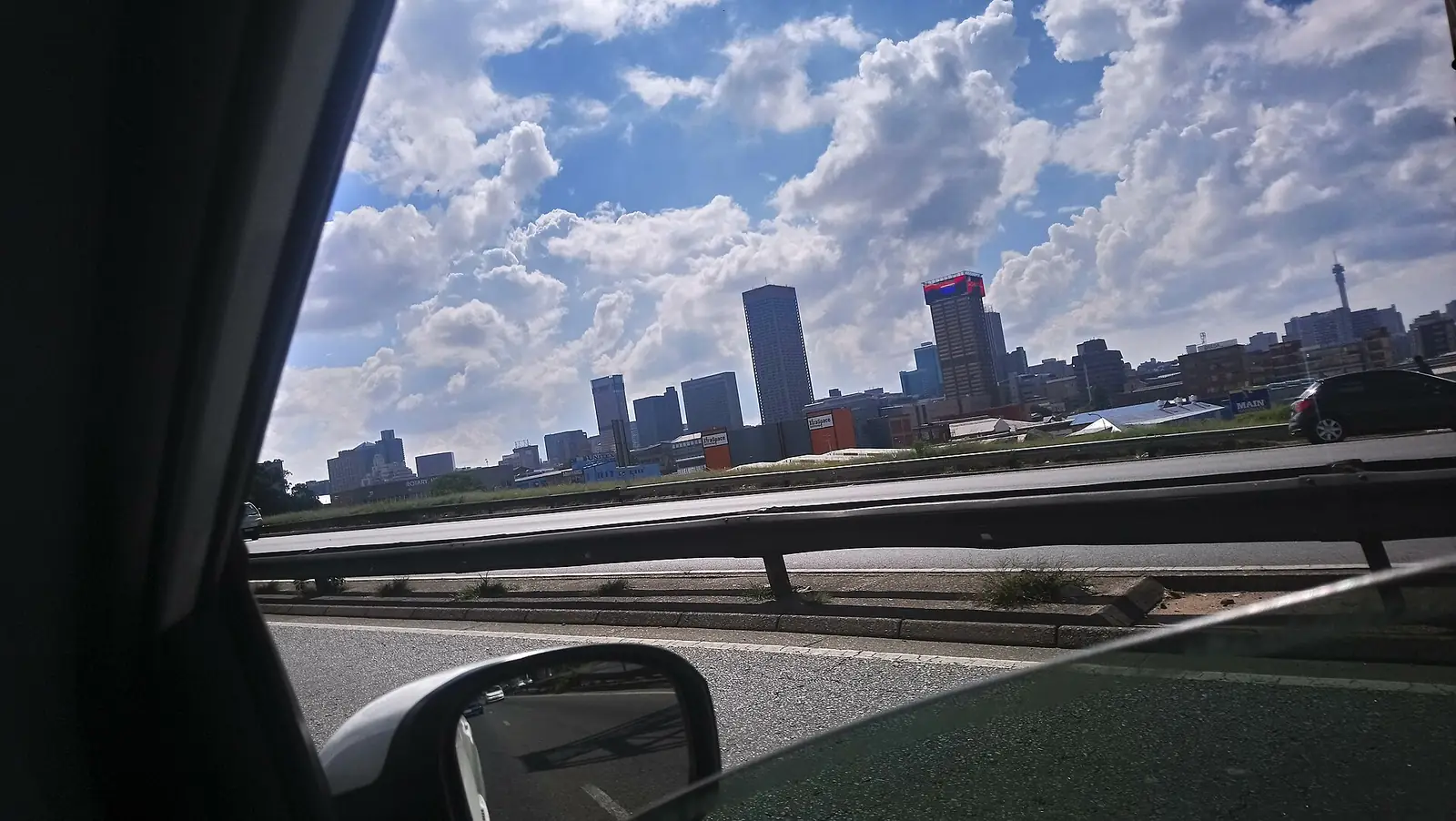
Image credits: Mandela Bridge, Braamfontein – South African Tourism via Wikimedia Commons, CC BY 2.0; Eternal Flame, Constitution Hill – Mihi tr via Wikimedia Commons, CC BY 4.0; Johannesburg skyline – Khaanya96 via Wikimedia Commons, CC BY-SA 4.0.