
Legal Guardianship Attorneys In Sandton
Guardianship Granted by the Court That Has the Power to Grant It
A child you love has lost both parents, or the parents are simply absent – and until a court appoints you guardian, you cannot enrol the child in school, consent to medical care or administer anything they may inherit. Every month without an order is a month of blocked accounts, refused enrolments and risk the child cannot see.
Otrebski Attorneys prepares guardianship applications under the Children’s Act from its Sandton office, in the High Court and children’s courts serving Sandton.



Book a Consultation
A member of the Otrebski team will respond soon

Who May Become a Guardian, and Under What Law
Guardianship is not a family understanding. It is a court appointment, or it is nothing.
Guardianship is governed by the Children’s Act 38 of 2005, sections 24 and 25:
- s 24 guardianship applications
- s 25 competent persons
- High Court as upper guardian
- orphaned and abandoned children
- consent guardianship for a non-parent
- Guardian’s Fund and inheritance
Guardianship is the responsibility to administer and safeguard the child’s property and to consent to marriage, adoption, departure from South Africa, medical procedures and changes of school. Under s 24, a non-parent may apply for guardianship, and s 25 sets the test: the applicant must be a competent and suitable person. The High Court, as upper guardian of all minor children, ultimately grants or withholds guardianship, always on the child’s best interests as measured by the s 7 factors.
The need is most acute for orphaned and abandoned children: a surviving parent’s death, an absent or untraceable father, or children left with relatives who cannot lawfully act for them. An application properly supported by death certificates, tracing reports and welfare input moves through; an informal arrangement leaves the child’s property, schooling and medical care frozen until the court is approached.
What a Guardianship Attorney Does
Builds the application the court expects: the founding affidavit on suitability, death certificates and tracing reports proving the parents’ status, the child’s circumstances and welfare reports, and the consent of persons whose agreement matters.
Then takes it to the right forum – the High Court as upper guardian, or the children’s court where the Act permits – and follows through on the practical consequences: school enrolment, medical consent, the Guardian’s Fund and the child’s inheritance.
The High Court is the upper guardian of every child. Everyone else holds guardianship on loan.
Full Guardianship vs Consent Guardianship
Full Guardianship Application
A s 24 application for the complete bundle: administering the child’s property, and consenting to marriage, adoption, passport, international travel and major medical decisions.
Granted by the High Court, or the children’s court where the Act allows, to a competent and suitable person when the parents cannot or will not hold the responsibility.
Limited or Consent Guardianship
Where a parent remains in place, a court can confer specific guardianship powers on another person – commonly to consent to a child’s passport, school enrolment or medical treatment.
Lighter, faster and often the right fit for a caregiving relative or step-parent, leaving the parent’s remaining responsibilities intact.
| Dimension | Full Guardianship | Limited / Consent Guardianship |
|---|---|---|
| Scope | Full bundle: property administration and all major consents | Specific powers only, as the order defines |
| When used | Orphaned or abandoned children; parents deceased or permanently absent | Parent alive but unavailable, uncooperative or abroad |
| Cost and time | Full application with reports; commonly several months | Narrower papers; often materially faster |
| Effect on the parent | Displaces or shares the parents’ guardianship | Leaves parental responsibilities otherwise intact |
| Enforceability | Court order, enforceable against schools, banks and Home Affairs | Same – an order that third parties must honour |
The Guardianship Application, Step by Step
The pathway from informal caregiver to lawful guardian:
Consultation and status determination
The attorney establishes the child’s legal position – parents deceased, absent or untraceable – and the order that fits. One to two weeks.
Documentary foundation
Death certificates, unabridged birth certificate, tracing reports, proof of care and schooling history are assembled. Three to six weeks depending on records.
Reports and consents
Welfare or social-worker input on suitability, and consent from any surviving parent or interested person where required.
Application drafted and filed
The founding affidavit and supporting papers are filed in the High Court as upper guardian, or the children’s court where the Act permits.
Court consideration
The court applies s 25 competence and suitability and the s 7 best-interests factors; set-down to grant commonly runs two to four months, unhurried by opposition.
Order and administration
The order is granted; it is presented to schools, medical providers and financial institutions, and the child’s inheritance is secured, often through the Guardian’s Fund.
Which Courts Serve Sandton Clients
Sandton matters run through the Johannesburg North machinery:
- Randburg Regional Court – the primary district seat for Sandton family matters.
- Office of the Family Advocate, Johannesburg – enquiries and reports supporting guardianship applications in the district.
- High Court, Gauteng Division – complex or high-value matters.
Otrebski Attorneys practises from 5th Street, Sandhurst – in the district it serves.
How to Choose a Guardianship Attorney in Sandton
The application is documentary. Choose a drafter, not a talker.
- Children’s Act ss 24-25 fluency.Ask directly how suitability and competence are evidenced in their applications.
- High Court motion practice.Guardianship lands in the Gauteng Division; the firm should file there routinely.
- Orphan-care documentation discipline.Death certificates, tracing reports and welfare reports in the first draft, not the third.
- Practical follow-through.The order is the start: ask how they assist with school enrolment, passports and the Guardian’s Fund afterwards.
- Written fees.A quoted application fee with reports, sheriff and set-down costs disclosed up front.
What a Guardianship Application Costs
As a market guide, an unopposed guardianship application in the High Court or children’s court commonly runs R15,000–R40,000, depending on reports and the documentary work needed; opposed matters or disputes over the child’s inheritance run materially higher.
These are market guides, not a quote. Social-worker and forensic reports, sheriff service, counsel and appearances are excluded and quoted separately. Otrebski Attorneys scopes each phase in writing before work begins – no hidden costs.
Common Mistakes to Avoid
The mistakes that freeze children’s lives in place:
The Documents a Guardianship Application Stands On
What the first round of papers should contain
- Death certificates – Proof of each deceased parent’s status
- Unabridged birth certificate – The child’s identity and parentage
- Tracing reports – Evidence that an absent or untraceable parent cannot be found
- Proof of care and schooling – The caregiving and schooling history the court weighs
- Welfare or social-worker report – Independent input on your competence and suitability
- Written consents – Agreement from a surviving parent or interested person, where the Act requires it
Frequently Asked Questions
Can I get guardianship if the parents never married and the father is untraceable?
Yes. The court will require proof of the father’s status – a tracing report or equivalent – and will assess your competence and suitability under ss 24 and 25 of the Children’s Act, with the child’s best interests deciding the outcome.
Who is the upper guardian of children in South Africa?
The High Court. It holds inherent power as upper guardian of all minor children and is the ultimate source of every guardianship order; parents and appointed guardians hold the responsibility under its authority.
Does a grandmother caring for the child automatically become guardian?
No. Care without an order gives no power to consent to the child’s marriage, passport, school or medical treatment. A guardianship or consent-guardianship application is needed, and it is usually straightforward where the caregiving is genuine.
Which court do I apply to from Sandton?
Applications are made to the High Court, Gauteng Division as upper guardian, or the children’s court where the Children’s Act permits, with support from the Johannesburg Office of the Family Advocate.
What happens to a child’s inheritance while guardianship is pending?
It is protected – commonly through the Guardian’s Fund administered for minor beneficiaries – and the guardian appointed by the court then administers or accesses it under the court’s authority.
Can a step-parent get guardianship?
Yes. A step-parent or any competent and suitable person may apply under s 24; where the child’s parent is alive and involved, a limited consent-guardianship order may achieve the practical result faster.
How long does a guardianship application take?
An unopposed application, once the documents and reports are complete, commonly grants within two to four months of filing; the documentary phase – deaths, tracing, welfare reports – usually takes longer than the court’s decision.
Is the child’s view considered?
Yes. As with every Children’s Act matter, the s 7 best-interests factors apply, and the views of a child old enough to be heard are weighed according to maturity.
Get the order. Free the child’s affairs.
Otrebski Attorneys practises from Office 9th Floor, The Spaces, 5th Street, Sandhurst, Sandton – with transparent billing and no hidden costs.
Call 060 500 3098
Office hours: Monday to Friday, 08h00 – 17h00 · send a message
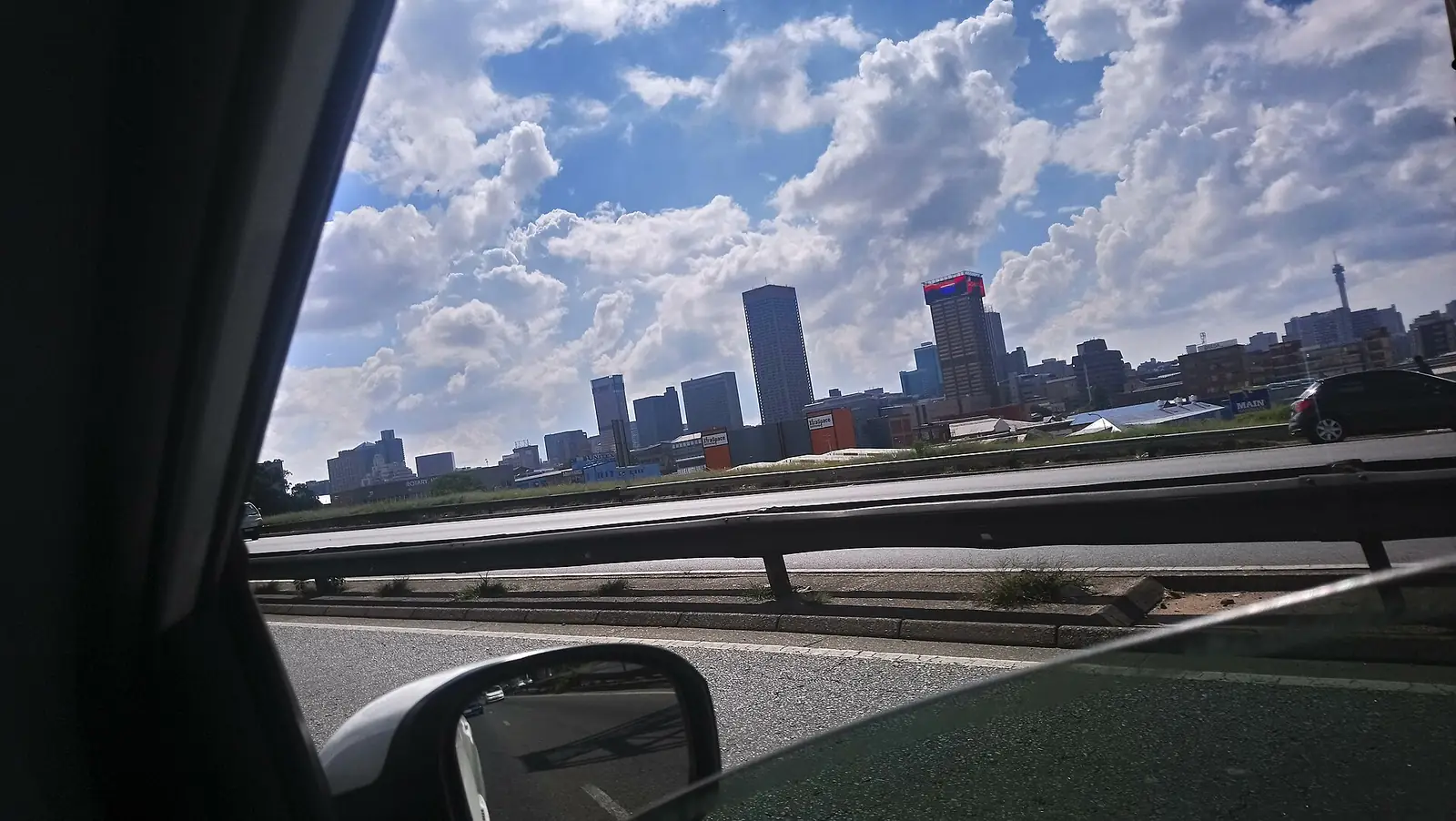
Image credits: Mandela Bridge, Braamfontein – South African Tourism via Wikimedia Commons, CC BY 2.0; Eternal Flame, Constitution Hill – Mihi tr via Wikimedia Commons, CC BY 4.0; Johannesburg skyline – Khaanya96 via Wikimedia Commons, CC BY-SA 4.0.