
Drug Possession Lawyers in Sandton
Drug Charges Defended From the Docket Up
In drug matters the quantity and the schedule decide everything – the same substance possessed is a district court case, dealt escalates to regional courts and minimum sentences. And every search that produced the seizure is itself on trial: unlawful searches have dismissed more drug cases than eloquence ever has.
Our Sandton criminal practice defends drug charges in the courts serving Sandton, testing searches, chain of custody and the possession-versus-dealing line from the first appearance.




Book a Consultation
A member of the Otrebski team will respond soon

Why Drug Cases Turn on Search, Weight and Wording
The State must prove a lawful seizure, a proven substance and the right charge. Each link can break.
Every Sandton drug matter runs through the same machinery:
- lawfulness of the search
- chain of custody
- laboratory analysis
- possession versus dealing
- schedule and quantity
- diversion and sentence
The Drugs and Drug Trafficking Act 140 of 1992 prohibits use, possession and dealing. Possession of small quantities stays in the district court; quantities crossing the Act’s schedule thresholds, or conduct showing trade, are prosecuted as dealing – with regional court jurisdiction and, for dealing, minimum sentence exposure under the Criminal Law Amendment Act 105 of 1997 unless substantial and compelling circumstances are found.
Defences live in the docket: a search without lawful authority, a forensic chain with gaps, cash and scales present but unproved as trade. The Constitution’s s22 and s35 rights do the quiet work.
What a Drug Possession Attorney Does
From arrest: advice before any statement, bail prepared, and the search tested – warrant, warrantless grounds, roadblock compliance. Through trial: forensic analysis scrutinised, chain of custody cross-examined, and the dealing allegations attacked on the distinction between personal use and trade.
At resolution: diversion programmes for suitable first offenders, admission-of-guilt options where the record and consequences justify them, and mitigation built on context where conviction cannot be avoided.
The question is never only ‘was it yours’. It is ‘how did the State come to have it’.
The Defence, Step by Step
The pathway, stage by stage.
Arrest and first advice – day 1
Advice on statement rights, the search circumstances recorded while fresh, and bail preparation begun.
Bail – within the 48-hour framework
Station, prosecutor or court bail, prepared with the personal circumstances the court needs.
Docket and disclosure – weeks 2 to 8
Search particulars, the forensic analysis certificate, chain-of-custody records, and the grounds on which dealing is alleged.
Challenges and charge review
Unlawful search points raised, the substance analysis tested, and the possession-versus-dealing classification contested where the facts allow.
Diversion, plea or trial
Suitable first offenders placed in diversion programmes; others plead on advice or proceed to trial on the search and custody gaps.
Sentence and record
Mitigation where conviction stands, and advice on expungement eligibility a decade on for eligible sentences.
Which Courts Serve Sandton Clients
Sandton civil and criminal matters run through the Johannesburg machinery:
- Randburg and Johannesburg Magistrates’ Courts – the district seats for Sandton claims, rolls and first appearances.
- Regional Court, Johannesburg – dealing charges and heavier rolls above district jurisdiction.
- High Court, Gauteng Division – urgent applications, claims above district limits and appeals.
Otrebski Attorneys serves Sandton clients from its 5th Street, Sandhurst office.
How to Choose a Drug Charge Attorney in Sandton
The charge level sets the years at stake. Choose on docket discipline.
- Drug matter experience.Ask about search challenges and dealing trials, not general criminal work alone.
- Forensic literacy.Analysis certificates and chain-of-custody records must be read, not assumed.
- Honest charge assessment.An attorney who sees dealing exposure where the docket shows possession – or the reverse – misprices the case.
- Diversion knowledge.For first offenders, the right programme placement can end the matter without a record.
- No outcome promises.Guaranteed acquittals are a disciplinary offence. The guarantee is the tell.
What Drug Charge Defence Costs
As a market guide, bail applications commonly run R5,000–R15,000; district-court possession trials from R15,000–R40,000; contested dealing trials in the regional court higher with counsel briefed, on hourly rates of R1,500–R4,400.
Otrebski Attorneys scopes each phase in writing and lists disbursement exclusions before you sign. No hidden costs.
Possession vs Dealing: The Fork That Decides the Case
Possession Charge
Personal-use quantities, tried in the district court with fines to short sentences.
First offenders are frequently diverted – programmes that end the matter without a criminal record on completion.
Dealing Charge
Quantity above schedule thresholds, or indications of trade – packaging, cash, scales, messages.
Regional court jurisdiction and minimum sentence exposure. Every element must be attacked early and in writing.
| Issue | Possession | Dealing |
|---|---|---|
| Alleged conduct | Holding for personal use | Trade, sale or supply |
| Court level | District court | Regional court |
| Sentence exposure | Fines to moderate terms | Heavier terms; minimums possible |
| Key defence | Knowledge and control | Trade inference vs threshold |
| First-offender path | Diversion often available | Rarely; trial defence is the path |
Common Mistakes to Avoid
The expensive mistakes are avoidable.
Frequently Asked Questions
What is the difference between possession and dealing under South African law?
Possession is holding a prohibited substance for personal use. Dealing is trade – selling, supply, or possession of quantities above the Act’s schedule thresholds, which the law treats as dealing. The classification decides the court and the sentence exposure.
It was a small amount for personal use – will I go to jail?
First offenders caught with small personal quantities very often are not jailed: diversion programmes, fines and suspended sentences are the common outcomes where the search was lawful and the matter is handled properly. Jail is not the default – inaction is the risk.
Can a first offender avoid a criminal record?
Yes, frequently – prosecutors can place suitable first offenders in diversion programmes, and completion ends the matter without a conviction. The window is widest before any plea.
The police searched me without a warrant. Does that help?
It can help decisively. Warrantless searches must rest on specific statutory grounds; where they do not, the seizure and everything it produced can be challenged. Tell your attorney exactly how the search happened.
What drugs are covered by the Drugs and Drug Trafficking Act?
The Act’s schedules cover dagga, cocaine, heroin, methamphetamine, ecstasy, mandrax and their precursors, among others. Each schedule and quantity band carries its own court level and sentencing range.
Which courts hear Sandton drug matters?
Possession matters are tried in the Randburg and Johannesburg Magistrates’ Courts; dealing charges go to the Johannesburg Regional Court; appeals lie to the High Court, Gauteng Division.
How long do drug cases take?
Diversion matters often conclude within a few months; district trials six to twelve; contested regional dealing trials longer, especially where forensic analysis is disputed.
Will a drug conviction affect me after the sentence?
Yes – employment vetting, emigration and professional registration all test for it. Expungement may become available only after ten years for certain sentences, which is why avoiding the conviction in the first place matters so much.
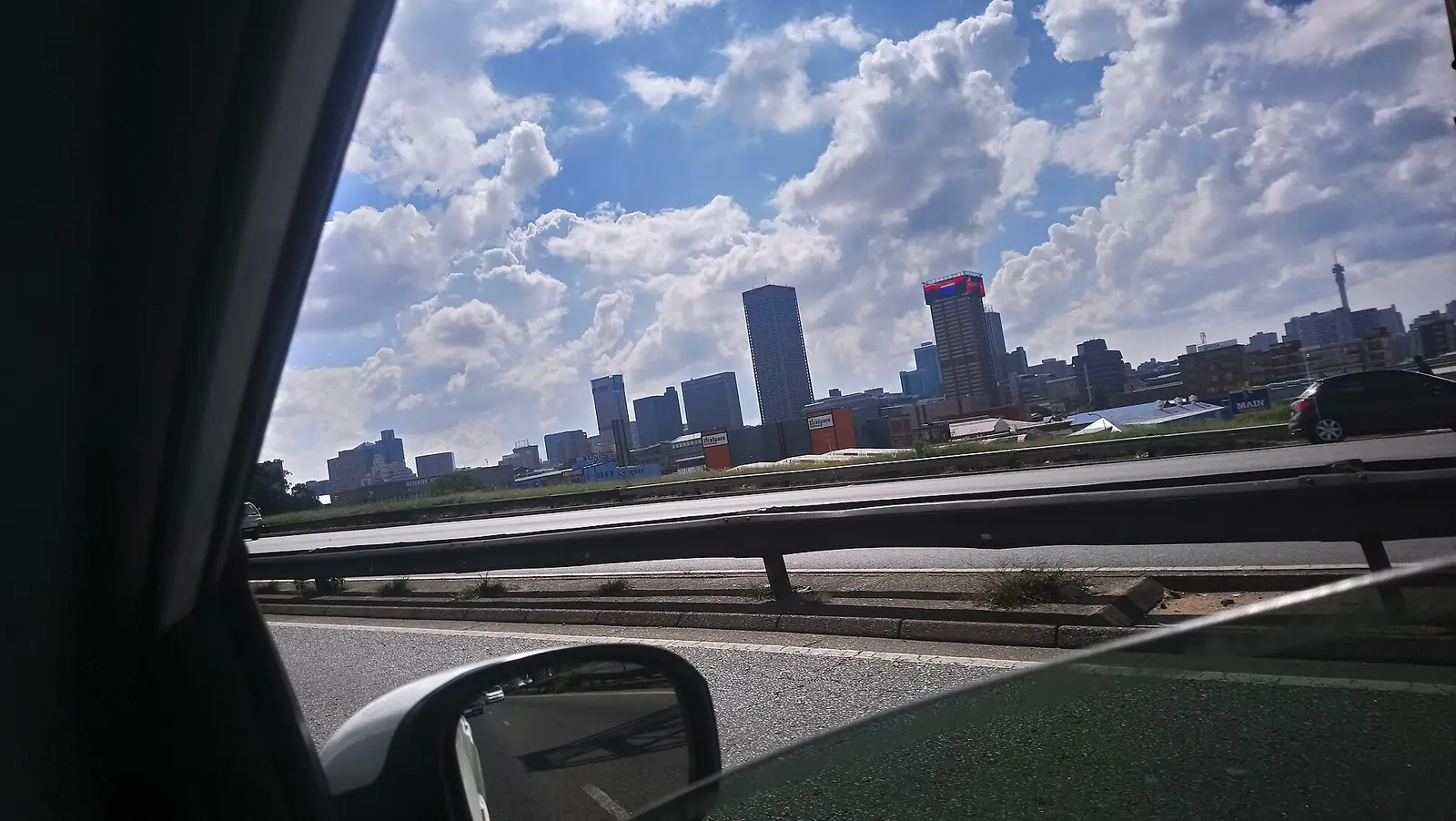
Test the search before you answer to the charge.
Otrebski Attorneys practises from Office 9th Floor, The Spaces, 5th Street, Sandhurst, Sandton – with transparent billing and no hidden costs.
Call 060 500 3098
Office hours: Monday to Friday, 08h00 – 17h00 · send a message
Image credits: Mandela Bridge, Braamfontein – South African Tourism via Wikimedia Commons, CC BY 2.0; Eternal Flame, Constitution Hill – Mihi tr via Wikimedia Commons, CC BY 4.0; Johannesburg skyline – Khaanya96 via Wikimedia Commons, CC BY-SA 4.0.