
Commercial Liquidation Law Firm In Sandton
Voluntary and Involuntary Winding-Up
An insolvent company has two exits – one chosen in a boardroom under chapter 14 of the Companies Act 71 of 2008, the other imposed by an angry creditor in the Gauteng Division. Both end in the Master of the High Court and a liquidator. The difference is who chose the timing, what the directors did in the final months, and whether the paperwork survives scrutiny.
Otrebski Attorneys runs voluntary and involuntary liquidations for Sandton businesses from 5th Street, Sandhurst – before the Master of the High Court, Johannesburg and the High Court, Gauteng Division.



Book a Consultation
A member of the Otrebski team will respond soon

Why Liquidations Turn on Timing and the Directors’ Record
Liquidation ends the company. How it ends decides what happens to everyone attached to it.
Every company liquidation runs through the same machinery:
- solvency and asset assessment
- creditor’s or special resolution route
- publication and notice
- Master of the High Court supervision
- liquidator appointment
- first meeting and proof of claims
Chapter 14 of the Companies Act 71 of 2008 governs winding-up. Voluntary liquidation proceeds by special resolution – for an insolvent company, the creditors’ resolution under section 79 – registered and gazetted, with the Master of the High Court supervising from that moment. Involuntary liquidation is a High Court application by a creditor or the company itself, on the grounds the chapter sets out. In both, the liquidator takes control of the estate for the body of creditors.
What decides the aftermath is the directors’ record: trading while insolvent, preferential payments to selected creditors, or asset disposals in the final months become investigations, personal liability and reckless-trading exposure under section 77 and section 218 of the Act. The clean liquidation is planned with counsel before those months begin.
What a Liquidation Attorney Does
For companies: the solvency assessment, the section 79 creditors’ resolution or special resolution, the Master’s and Gazette publications, and the directors’ record prepared so the liquidator’s inquiry finds a file, not a fight.
For creditors: the winding-up application, the proof of claim, the first-meeting votes, and the recovery strategy through the liquidator – including scrutiny of preferential dispositions that clawed value away.
The question is not whether the company ends. It is who chose the timing, and what the file says about the months before.
The Process, Step by Step
The pathway, stage by stage.
Solvency assessment
Assets, liabilities and creditor positions are established on paper – the route, and the directors’ duties, flow from this answer.
Choice of route
Voluntary by creditors’ resolution under section 79, or involuntary by court application – decided on solvency, creditor temperature and timing.
Resolution or application
The special resolution or winding-up application is prepared, with the statement of affairs and the supporting affidavits.
Publication and Master’s oversight
Notice is given to creditors and employees, published as the chapter requires, and lodged with the Master of the High Court, which supervises the winding-up from appointment.
Liquidator appointed
The Master appoints the liquidator; the first meeting of creditors is convened and claims are proved.
Winding-up and closure
Assets are realised, the estate administered for the body of creditors, inquiries are answered, and the company is finally deregistered – while any business rescue or compromise alternative is weighed honestly at every stage.
Which Courts Serve Sandton Clients
Sandton commercial matters run through the Johannesburg machinery:
- High Court, Gauteng Division – commercial litigation, contract disputes and insolvency matters.
- Master of the High Court, Johannesburg – supervises every liquidation, appoints liquidators and convenes the meetings of creditors.
- Magistrates’ and Regional Courts – smaller commercial claims within jurisdiction.
Otrebski Attorneys practises from 5th Street, Sandhurst – in the district it serves.
How to Choose a Liquidation Attorney in Sandton
The estate is fixed. The advice still decides the aftermath.
- Chapter 14 fluency.Section 79, the Master’s process and the publication sequence should be cited from memory.
- Runs both sides.An attorney who has acted for companies and for creditors knows where each liquidation is attacked.
- Director-protection instinct.Ask what happens to the directors – reckless-trading exposure should be addressed before the resolution, not at the inquiry.
- Weighs the alternatives.Business rescue or a section 152 compromise is sometimes the better answer; a firm that only liquidates will only ever recommend liquidation.
- Master’s-office practice.Johannesburg insolvency runs on that office’s diary; local process knowledge saves weeks.
- Written scope and quote.Phases, Master’s fees and disbursements set out before work begins.
What Commercial Liquidation Costs
As a market guide, a straightforward voluntary liquidation commonly runs R25,000–R80,000 in attorney fees, plus Master of the High Court fees, Gazette and advertising costs; opposed involuntary liquidations from R40,000 once contested, on hourly rates of R2,000–R5,000.
Liquidator fees are set by tariff out of the estate, not by the client directly. Otrebski Attorneys scopes each phase in writing before work begins. No hidden costs.
Voluntary vs Involuntary Liquidation
Voluntary Liquidation
The company and its creditors choose the exit: for an insolvent company, the creditors’ resolution under section 79 of chapter 14, supported by the required solvency affidavit and publications.
Timing, the statement of affairs and the first steps are managed, not imposed – which is precisely what protects the directors downstream.
Involuntary Liquidation
A creditor applies to the High Court to wind the company up on the grounds in chapter 14 – typically an inability to pay debts.
The company litigates from behind: the application must be answered within days, and a provisional order escalates to final unless a rescue or settlement intervenes.
| Issue | Voluntary | Involuntary |
|---|---|---|
| Who initiates | The company and creditors, jointly resolved | A creditor by High Court application |
| Route | Section 79 creditors’ resolution, registered and gazetted | Court application and winding-up order |
| Control of timing | Chosen and planned | Imposed by the applicant’s docket |
| Director exposure | Managed by a prepared record | Tested at the inquiry, unprepared |
| Cost profile | Lower, scheduled | Higher – urgent opposition or final order |
Where the Creditor Stands
A Creditor’s Route Through the Winding-Up
- The application – A creditor owed money may apply to the High Court for a winding-up order on the chapter 14 grounds, most commonly an inability to pay debts.
- The company’s window – The application must be answered within days, and a provisional order becomes final unless cause is shown.
- Proof of claim – Claims are proved at the first meeting of creditors convened once the liquidator is appointed.
- The first-meeting votes – Creditor votes at that meeting shape the conduct of the winding-up.
- Value clawed away – Preferential payments and asset disposals from the final months can be scrutinised and pursued through the liquidator.
- The tariff – Liquidator fees are set by tariff out of the estate, not paid directly by the client.
Common Mistakes to Avoid
The expensive mistakes are avoidable.
Frequently Asked Questions
What is the difference between voluntary and involuntary liquidation in South Africa?
Voluntary liquidation is chosen by the company and its creditors through the section 79 creditors’ resolution under chapter 14 of the Companies Act 71 of 2008; involuntary liquidation is a High Court application, usually by a creditor, ending in a winding-up order imposed on the company.
How long does a company liquidation take in Sandton?
The voluntary route typically runs some weeks from resolution to the Master’s appointment of a liquidator, with the administration running months to years behind it; an opposed court liquidation takes as long as the litigation does.
Do the directors get investigated in a liquidation?
Yes. The liquidator and the Master examine the final months of trading: reckless trading, preferential payments and asset disposals can become personal liability for directors under the Companies Act. A prepared record is the defence.
Which office supervises Sandton liquidations?
The Master of the High Court, Johannesburg supervises every liquidation, appoints the liquidator and convenes the creditors’ meetings; opposed applications are heard in the High Court, Gauteng Division.
What happens to my personal guarantee when the company is liquidated?
It survives. Liquidation ends the company’s liabilities, not the sureties behind them – banks and landlords enforce guarantees directly against the signatories.
Can a creditor liquidate a company that owes it money?
Yes – on the grounds in chapter 14, most commonly inability to pay debts, a creditor applies to the High Court for a winding-up order. The company must answer within days, which is why the route should never be a surprise.
Am I personally going to lose my house over my company’s liquidation?
Not automatically. Personal exposure turns on guarantees, sureties and the directors’ conduct in the final months. Where exposure exists, an individual route such as sequestration can be planned on your own timing – but the analysis must happen before the liquidator’s inquiry, not after.
What does a commercial liquidation cost?
As a market guide: voluntary liquidations R25,000–R80,000 in attorney fees plus Master’s, Gazette and advertising costs; opposed matters from R40,000 – each phase quoted in writing before work begins.
Choose the exit before it is chosen for you.
Otrebski Attorneys practises from Office 9th Floor, The Spaces, 5th Street, Sandhurst, Sandton – with transparent billing and no hidden costs.
Call 060 500 3098
Office hours: Monday to Friday, 08h00 – 17h00 · send a message
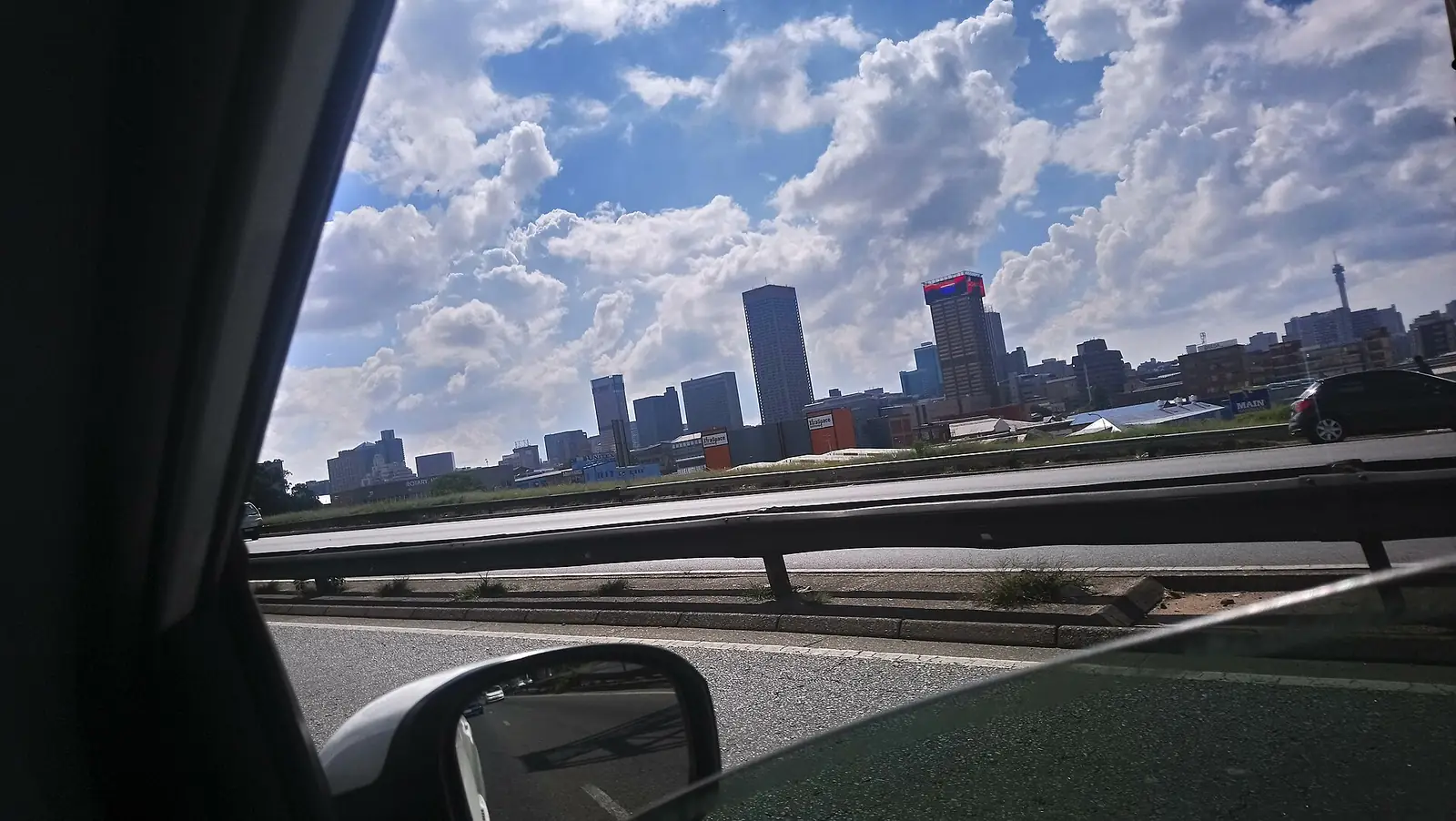
Image credits: Mandela Bridge, Braamfontein – South African Tourism via Wikimedia Commons, CC BY 2.0; Eternal Flame, Constitution Hill – Mihi tr via Wikimedia Commons, CC BY 4.0; Johannesburg skyline – Khaanya96 via Wikimedia Commons, CC BY-SA 4.0.