
A life sentence in South Africa is a sentence of imprisonment for the natural life of the prisoner. It does not run for a fixed number of years and does not end on its own. The prisoner remains in the custody of the Department of Correctional Services until they die, unless the law allows release on parole or the sentence is set aside on appeal or by a pardon.
Although the sentence is for life, the law does allow for release on parole after a minimum period has been served. The rules that govern this are set out in the Correctional Services Act 111 of 1998, as amended by the Correctional Matters Amendment Act 5 of 2011. This page explains what a life sentence with parole means in practice, when the 25-year minimum applies, and who decides whether a life-sentenced prisoner is released.
Otrebski Attorneys is a 100% women-led law firm based in Sandton. Our Criminal Law department assists clients with sentencing, parole, and related criminal law matters. Director Nastasja Otrebski leads the practice.
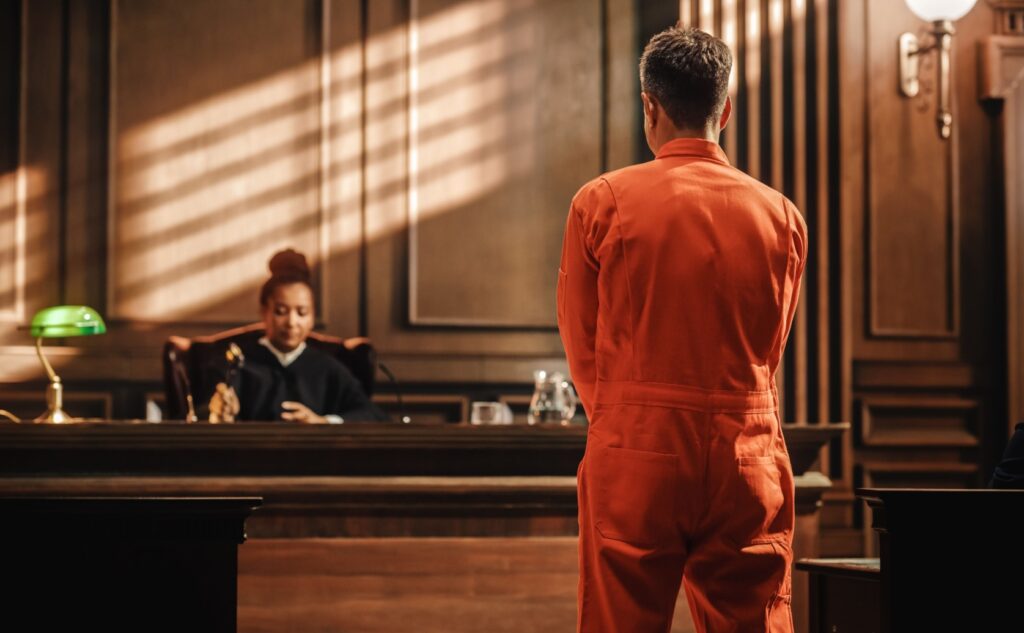
How Many Years Is a Life Sentence in South Africa?
A life sentence in South Africa has no fixed number of years: it runs for the whole of the prisoner natural life. The figure most people are looking for is 25. Under section 73(6)(b)(iv) of the Correctional Services Act 111 of 1998, a prisoner sentenced to life may not be placed on parole until at least 25 years of the sentence have been served. Reaching 25 years does not end the sentence or guarantee release; it only opens the door to parole consideration, and the Correctional Supervision and Parole Board decides each case on its facts.
What life imprisonment means under South African law
Under South African law, life imprisonment is an indeterminate sentence. It continues for the natural life of the prisoner and has no fixed end date. The sentence is imposed for the most serious offences, including murder, rape under certain circumstances, treason, and robbery with aggravating circumstances where the statutory minimum sentence legislation applies.
Life imprisonment is mostly imposed under the Criminal Law Amendment Act 105 of 1997, which sets minimum sentences for serious offences. A court may impose a sentence shorter than life only if substantial and compelling circumstances justify a departure from the prescribed minimum.
Because the sentence has no fixed end date, the only lawful routes out of prison for a life-sentenced prisoner are release on parole, a successful appeal that replaces the sentence, a presidential pardon, or death in custody. Parole is therefore not a second sentence but a controlled release mechanism built into the correctional system.
The 25-year minimum and section 73 of the Correctional Services Act
Parole for life-sentenced prisoners is governed by section 73 of the Correctional Services Act 111 of 1998. Section 73(6)(b)(iv) provides that a person sentenced to life imprisonment may not be placed on day parole or parole until they have served at least 25 years of the sentence.
The Correctional Matters Amendment Act 5 of 2011 confirmed and consolidated this position. The 25-year period is a minimum, not a release date. Reaching it makes a life-sentenced prisoner eligible to be considered for parole, but it does not entitle them to be released.
In rare cases the court that imposed the life sentence may recommend a shorter non-parole period, or declare the prisoner unfit for parole at all. Where the sentencing court makes no such recommendation, the default 25-year minimum applies.
Who decides parole for a life-sentenced prisoner
For most prisoners, parole is decided by the Correctional Supervision and Parole Board (CSPB), a structure established under the Correctional Services Act and run by the Department of Correctional Services. For prisoners serving life imprisonment, the decision is handled differently and is taken at executive level.
In terms of section 78 of the Correctional Services Act, the Minister of Justice and Correctional Services is responsible for decisions on the placement on parole of prisoners serving life sentences. The CSPB and the Case Management Committee at the prison prepare the recommendation and the dossier, but the final decision rests with the Minister, acting on the advice of the National Commissioner.
This is an important distinction. A life-sentenced prisoner does not simply appear before a local parole board and receive a decision. The matter is escalated through the Department of Correctional Services and decided by the political head of the Department, which reflects the seriousness attached to releasing someone who was sentenced to natural life imprisonment.
How the parole process works in practice
The parole process for a life-sentenced prisoner normally follows these stages:
- The Case Management Committee at the correctional centre compiles a profile on the prisoner, covering conduct, programme participation, and risk.
- The prisoner completes prescribed rehabilitation, anger management, or substance abuse programmes, as required by their correctional plan.
- A risk assessment and a victim impact statement are obtained, where applicable.
- The Correctional Supervision and Parole Board considers the profile and makes a recommendation.
- The recommendation, with the full dossier, is sent to the Minister and National Commissioner for a decision on placement.
- If approved, the prisoner is placed under correctional supervision or on day parole before full placement, subject to strict conditions and monitoring.
Factors the parole authorities consider
When the parole board and the Minister assess whether a life-sentenced prisoner should be released, they weigh a range of factors, including:
- The nature and seriousness of the original offence.
- The prisoner’s conduct and discipline inside the correctional centre.
- Participation in rehabilitation, education, and skills programmes.
- The outcome of the clinical and actuarial risk assessments.
- Whether the prisoner has a fixed address, employment prospects, and family support on the outside.
- Input from the victim or the victim’s family, where a victim impact statement has been submitted.
- The interests of society and the risk of reoffending.
How life-sentence parole differs from determinate-sentence parole
Most prisoners in South Africa serve determinate, or fixed-term, sentences. Their parole is decided by the Correctional Supervision and Parole Board, not by the Minister, and the eligibility dates are calculated from the sentence length. For example, a prisoner serving a fixed term may become eligible for parole after serving a portion of the sentence, often around half, subject to the specific provisions of the Act.
Section 136 of the Correctional Services Act is a transitional provision that deals with prisoners who were already serving determinate sentences when the new parole regime came into operation on 1 October 2004. It calculates a deemed parole date for those prisoners using the rules that applied under the old Criminal Procedure Act 55 of 1959.
Life-sentenced prisoners do not fall under section 136 in the ordinary course. They are dealt with under section 73 read with section 78, with the 25-year minimum and the Ministerial decision-making process described above. This is why the two pathways are often described separately in the case law.
Parole is conditional, not a pardon
Being placed on parole does not end the life sentence. The prisoner is released into the community under strict conditions, supervised by a correctional official, and must comply with rules covering residence, work, movement, association, and reporting. A breach of any condition can lead to revocation of parole and return to prison.
Parole continues for the rest of the prisoner’s natural life. The sentence remains a life sentence, and the State retains the power to return the person to custody at any time they breach the conditions or pose a danger to the community.
The constitutional backdrop
The Constitutional Court has confirmed that a life sentence without any real prospect of release on parole would be unconstitutional, because it removes any meaningful hope of rehabilitation. In Van Vuren v Minister of Correctional Services and again in the 2022 Walus matter, the Court emphasised that every prisoner must have a reasonable prospect of being considered for release, however serious the offence.
This does not mean that life-sentenced prisoners have a right to be released. It means that the system must offer a genuine, individualised consideration once the minimum period has been served, and that the decision must be rational and based on the facts of the case.
Frequently Asked Questions
What is a life sentence with parole in South Africa?
It is a sentence of imprisonment for the natural life of the prisoner under which the prisoner may, after serving a minimum of 25 years, be considered for release on parole. The parole is granted under strict conditions and the sentence itself is never spent.
How many years must a life-sentenced prisoner serve before being considered for parole?
Section 73(6)(b)(iv) of the Correctional Services Act 111 of 1998, as confirmed by the Correctional Matters Amendment Act 5 of 2011, requires a life-sentenced prisoner to serve at least 25 years before being considered for day parole or parole.
Who decides parole for a prisoner serving life imprisonment?
The Minister of Justice and Correctional Services, acting on the advice of the National Commissioner, decides parole for life-sentenced prisoners. The Case Management Committee and the Correctional Supervision and Parole Board prepare the recommendation, but the final decision is taken at executive level under section 78 of the Correctional Services Act.
Does being granted parole mean the life sentence is over?
No. Parole is a conditional release only. The prisoner remains under the life sentence for the rest of their natural life, must comply with strict supervision conditions, and can be returned to custody at any time if those conditions are breached.
How does life-sentence parole differ from parole for a fixed-term sentence?
Prisoners serving determinate or fixed-term sentences have their parole decided by the Correctional Supervision and Parole Board, with eligibility dates calculated from the sentence length. Life-sentenced prisoners must serve at least 25 years and have their parole decided by the Minister, not the parole board.
Is parole guaranteed after 25 years for a life-sentenced prisoner?
No. The 25-year minimum is an eligibility threshold, not a release date. Parole is never guaranteed and is decided on the individual facts of each case, including conduct, rehabilitation, risk, and the interests of society.
What factors are considered when deciding parole for a life-sentenced prisoner?
The authorities consider the seriousness of the offence, the prisoner’s conduct, participation in rehabilitation programmes, risk assessments, family and community support, victim input, and the risk of reoffending.
Get help with a criminal law matter. If you or a family member is facing a serious charge, or you need advice on parole eligibility, Otrebski Attorneys’ Criminal Law department in Sandton can assist. We are a 100% women-led firm, Level 4 B-BBEE rated, with a 5-star Google rating, and our director Nastasja Otrebski leads the practice personally.
Disclaimer. This article is general information about life imprisonment and parole in South Africa. It is not legal advice and does not create an attorney-client relationship. The law is set out mainly in the Correctional Services Act 111 of 1998 and the Criminal Law Amendment Act 105 of 1997, both of which may be amended. Confirm the current position with the Department of Correctional Services or speak to a qualified criminal law attorney before relying on anything in this article.