
A parole violation hearing is the formal process the Department of Correctional Services uses to decide whether a parolee has broken one of the conditions of their release, and what should happen next. It is not a criminal trial and it does not replace a criminal charge. It is an administrative inquiry run inside the correctional system, and it can end in a warning, tougher conditions, or a return to a correctional centre.
The hearing sits inside the Correctional Services Act 111 of 1998. Parole itself is a placement under section 73, served in the community under supervision, and the same statute sets out how that placement is reviewed and, if necessary, cancelled. The body that conducts the hearing is the Correctional Supervision and Parole Board established under section 74, and its work is structured by sections 70 and 75 of the Act.
This guide explains each stage of the parole violation hearing under South African law: the notice of the alleged breach, the parolee’s right to be heard and to legal representation, the Board hearing itself, the evidence, the decision, and the review pathway opened up by the Promotion of Administrative Justice Act 3 of 2000 (PAJA) where the process was unfair.
What Triggers a Parole Violation Hearing
A hearing is set down when a supervision officer or the Supervision Committee records that a parolee may have breached a condition of release. Parole is not unconditional freedom. While a person is on parole they remain subject to community corrections under section 51 of the Correctional Services Act 111 of 1998, and the conditions attached to the placement are enforceable.
Common breaches that bring a parolee before the Board include:
- failing to report to a supervision officer or community corrections office on the appointed dates;
- leaving the magisterial district, or the approved address, without prior permission;
- committing, or being charged with, a new offence while on parole;
- breaching a specific condition, such as a no-contact order, a workplace restriction, or an instruction to abstain from alcohol;
- failing to keep a fixed place of residence or employment; and
- refusing to accept amended conditions lawfully imposed by the Board.
Not every breach goes straight to a hearing. Section 70(1) of the Act gives the National Commissioner a graduated range of responses. A parolee may simply be reprimanded, called in to explain, or, where the breach is serious, referred to the Board. The hearing is the formal stage at which the alleged violation is put to the parolee and tested.
The Notice of Alleged Violation
Proper process begins with notice. Before a parolee can be expected to answer to an alleged breach, they have to be told what the breach is. The supervision officer records the alleged violation on the Department’s referral template, which captures the type of breach, the date, the source of the information, and a short factual summary. That referral moves through the Supervision Committee to the Board.
Notice matters because it is the foundation of a fair hearing. A parolee who arrives at a Board sitting without knowing what is being alleged cannot meaningfully respond. Where the breach is serious enough to warrant arrest, the chairperson of the Supervision Committee may issue a warrant under section 70 for the arrest and detention of the parolee so that they can be brought before the Board.
The Right to Be Heard and to Legal Representation
The parolee’s right to be heard is the procedural backbone of the hearing. It flows from section 33 of the Constitution, which guarantees just administrative action, and it is operationalised by PAJA. The audi alteram partem principle applies: before the Board makes a decision that may send a person back to prison, the parolee must be given a genuine opportunity to answer the allegation.
In Vundisa v Kimberley Correctional Supervision and Parole Board [2024] ZANCHC 28, the Northern Cape High Court paid close attention to this step. The applicant had been given the chance to place his reasons for leaving the district on record, and the court treated that opportunity as part of a fair process. Procedural shortcuts, missing paperwork, or a decision taken on facts the parolee never had a chance to answer are all defects that can sink a revocation on review.
A parolee may represent themselves, but they do not have to. The right to legal representation at a parole violation hearing is recognised, and an attorney can do the work that a layperson struggles to do alone: examine the referral, identify procedural gaps, prepare the parolee’s account, lead evidence where needed, and challenge the Department’s case before the Board. Otrebski Attorneys’ criminal law department, led from the firm’s single Sandton office by Director Nastasja Otrebski, prepares parolees for these hearings and represents them at the Board sitting.
The Correctional Supervision and Parole Board Hearing
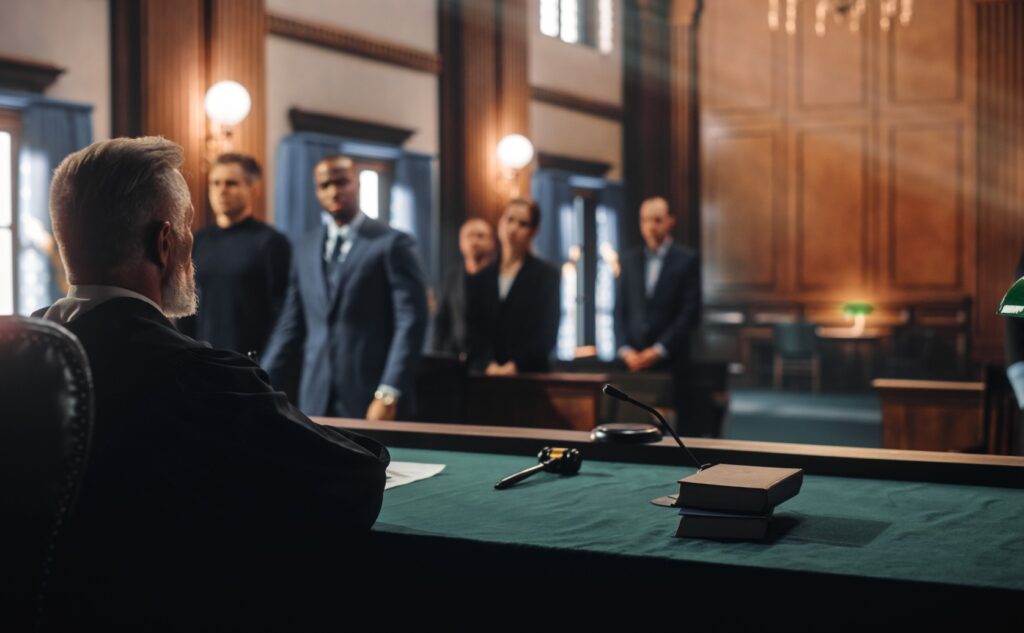
The hearing itself takes place before the Correctional Supervision and Parole Board. Section 75(2)(a) of the Act requires the Board to consider a request to cancel parole within 14 days, and the Vundisa decision treats that 14-day window as a real procedural requirement, not a guideline. Where the parolee has been arrested and detained on a warrant, the Board must deal with the matter promptly.
- Opening of the record. The chairperson opens the record and confirms what alleged breach is being considered, so that the parolee and the Department are answering the same case.
- The Department’s case. The supervision officer or a Departmental representative presents the breach report, the referral, and any supporting material, such as a missed-report register, a charge sheet for a new offence, or witness statements.
- Evidence and questioning. The Board hears evidence relevant to the breach. The parolee, through their attorney, is entitled to test that evidence and to call their own witnesses or hand in documents, such as proof of a valid excuse for missing an appointment.
- The parolee’s representations. The parolee gives their account of what happened and places any mitigating factors on record, including stable employment, family responsibilities, progress made on parole, or steps taken to address the underlying problem.
- The Board’s decision. After hearing both sides, the Board may cancel the parole, amend the conditions of community corrections, warn the parolee, or resume the parole on the existing conditions.
The function of the Board is administrative, not punitive in the criminal-law sense. Its task is to decide, on the material before it, whether a breach occurred, how serious it is, and what the appropriate response is inside the graduated framework that section 70 sets out.
The Decision and Possible Outcomes
The Board’s decision must be one that is reasonably open on the evidence. The outcomes fall along a spectrum, and revocation is at the far end of it.
- No violation found. The Board accepts the parolee’s explanation and the parole continues on the existing conditions.
- Warning. A breach is established but is minor or adequately explained. The parolee is warned and remains on parole.
- Modified conditions. The Board tightens the conditions of release, for example by adding more frequent reporting, a curfew, or a programme attendance requirement. Under section 75(2)(b), if the parolee refuses to accept amended conditions, the parole must be cancelled.
- Suspension. Release is interrupted on an interim basis, usually while a new criminal charge is pending. The parole order still exists and can later be resumed.
- Revocation. The parole is cancelled. The parolee is returned to a correctional centre to serve the unexpired portion of the sentence, and a further profile date is set, often up to two years out, before placement can be reconsidered.
For offenders who were originally sentenced to life incarceration, the structure is different. Under section 73(5)(a)(ii), placement on parole for a life sentence is determined by the Minister, and the Minister, rather than the Board alone, is the final decision-maker on cancellation. The Board’s role in those matters shifts to a recommending one.
Review of an Unfair Process Under PAJA
Because the Board’s decision is administrative action, it must meet the standard of lawfulness, reasonableness, and procedural fairness set by section 33 of the Constitution and PAJA. A parolee who is aggrieved by the outcome is not left with no remedy. The decision can be taken on review to the High Court where the process was unfair or unlawful, even where the underlying breach was real.
Grounds on which a parole violation decision is regularly challenged on review include:
- the parolee was not given proper notice of the alleged breach;
- the 14-day timing in section 75(2)(a) was not respected;
- the parolee was not given a real opportunity to make representations;
- the Board relied on facts or documents the parolee never had a chance to answer;
- the decision was not one reasonably supported by the evidence; or
- the Board acted for an improper purpose or outside its powers.
In Vundisa, the court upheld the revocation precisely because the paperwork, the timing, and the opportunity to be heard had all been properly observed. The corollary is clear: where those features are missing, the decision is vulnerable. An internal appeal within the Department of Correctional Services may also be available before approaching the court.
Otrebski Attorneys advises parolees and their families at every stage of this process: from the first notice of an alleged breach, through the Board hearing, to a PAJA review where the process fell short. The firm is a 100% women-led, Level 4 B-BBEE practice operating from a single Sandton office, with a dedicated Criminal Law department and a 5-star client rating across 12 reviews.
Frequently Asked Questions
What is a parole violation hearing in South Africa?
A parole violation hearing is the formal inquiry run by the Correctional Supervision and Parole Board under the Correctional Services Act 111 of 1998 to decide whether a parolee has breached a condition of their release. It is an administrative process, not a criminal trial, and it can end in a warning, amended conditions, or revocation of parole.
Who conducts a parole violation hearing?
The hearing is conducted by the Correctional Supervision and Parole Board established under section 74 of the Correctional Services Act 111 of 1998. The Board considers the alleged breach, hears the parolee and the Department of Correctional Services, and decides on the appropriate outcome.
Does a parolee have the right to legal representation at a parole violation hearing?
Yes. A parolee may represent themselves, but they are also entitled to be represented by an attorney. Legal representation helps the parolee examine the breach report, prepare their account, lead evidence, and challenge the Department’s case before the Board.
How long does the Board have to consider cancelling parole?
Section 75(2)(a) of the Correctional Services Act requires the Correctional Supervision and Parole Board to consider a request to cancel parole within 14 days. The 2024 High Court decision in Vundisa v Kimberley Correctional Supervision and Parole Board treated this 14-day period as a real procedural requirement.
What outcomes can follow a parole violation hearing?
The Board may find no violation occurred, warn the parolee, amend the conditions of community corrections, suspend the parole on an interim basis, or revoke the parole and return the parolee to a correctional centre to serve the unexpired portion of the sentence.
Can a parole violation decision be reviewed under PAJA?
Yes. Because the Board’s decision is administrative action, it can be reviewed by the High Court under the Promotion of Administrative Justice Act 3 of 2000 where the process was unfair, the 14-day rule was ignored, the parolee was not properly heard, or the decision was not reasonably supported by the evidence.
Get help with a criminal law matter.
Disclaimer. This article explains the general legal framework for a parole violation hearing under the Correctional Services Act 111 of 1998 and the role of the Correctional Supervision and Parole Board. It is general information, not legal advice for a specific parolee or matter. Each case turns on its own facts, the conditions of release, and the alleged breach. To confirm current requirements and procedures, consult a qualified attorney and the Department of Correctional Services, or verify the legislation on the official South African Government portal.
Get Legal Help Today
Speak to an Otrebski Attorneys lawyer about your matter, or request an appointment and we will call you back.
☎ Call 060 500 3098WhatsApp Us