
A parole officer, more formally called a correctional official in South African law, is the Department of Correctional Services (DCS) official responsible for supervising offenders who serve part of their sentence in the community instead of inside a correctional centre. The role is created and governed by the Correctional Services Act 111 of 1998, which sets out the duties, powers, and limits of the office.
In practice, the correctional official monitors parolees and probationers, enforces the conditions set by a court or a Correctional Supervision and Parole Board (CSPB), and reports back on compliance. The work spans home visits, workplace checks, compulsory reporting at a Community Corrections office, and, increasingly, electronic monitoring. The official is the link between the offender, the family, the SAPS, and the supervising authority.
This article explains the roles of a parole officer under the Act, the conditions they enforce, how supervision works in practice, and what happens when an offender breaches those conditions. It also covers the most common mistakes offenders and families make when dealing with Community Corrections.
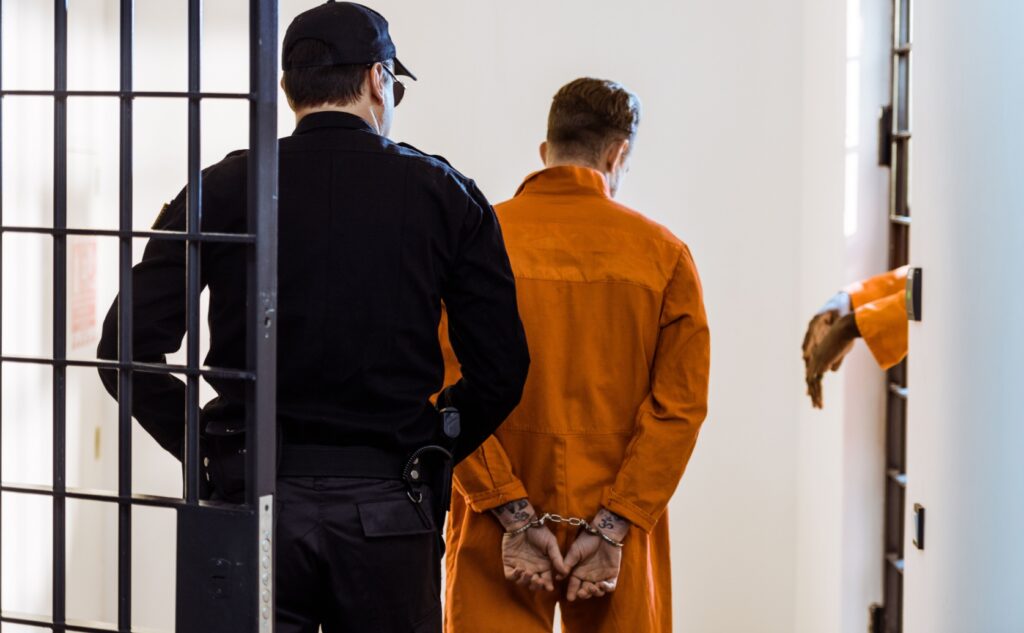
What Is a Parole Officer in South Africa?
In South Africa, the term “parole officer” is used in everyday speech, but the Act uses the wider term “correctional official.” The Correctional Services Act 111 of 1998 defines a correctional official as any person appointed, employed, or designated by the Department, including a person appointed to supervise someone subject to community corrections.
Community corrections, in turn, covers both correctional supervision (a court-ordered sentence served in the community) and parole (release from a correctional centre under conditions until the sentence expires). The same official often supervises both groups, working from a local Community Corrections office.
The role is therefore broader than the word “parole” suggests. The official supervises sentenced offenders serving correctional supervision, parolees released by a CSPB, and even some unsentenced persons placed under DCS supervision by a court or the SAPS, including children.
The Legal Framework: Correctional Services Act 111 of 1998
The Correctional Services Act 111 of 1998 is the primary statute. It regulates the entire correctional system, from custody inside a centre through to release and community-based supervision. The community corrections provisions, and the accompanying Regulations, set out what an official may and must do.
Key provisions include section 40, which lists the conditions that may be imposed for correctional supervision, section 42 on supervision by a correctional official, section 43 on a violation or breach of conditions, and section 45 on the arrest of an absconder. The Regulations under the Act add the operational detail on reporting, monitoring, and house detention.
Placement on parole itself is decided by a Correctional Supervision and Parole Board, not by the individual official. The CSPB is a statutory body that considers whether an offender is suitable for release and sets the conditions. Once the Board, or a court, has set conditions, the correctional official enforces and monitors them.
Core Duties of a Correctional Official in Community Corrections
The duties of the office flow from the Act and the conditions attached to a particular offender. In general, a correctional official in Community Corrections is responsible for:
- Supervising parolees and probationers in the community until their sentence or supervision period expires.
- Explaining the conditions of correctional supervision or parole to the offender and obtaining an acknowledgement.
- Conducting home visits, workplace visits, and compulsory consultations at the Community Corrections office.
- Verifying that the offender is still employed, still lives at the approved address, and is complying with house detention or area restrictions.
- Arranging and monitoring community service, where a court or Board has ordered it.
- Compiling pre-sentence and progress reports for courts and CSPBs.
- Acting on a breach, including warning the offender, referring the matter back to the court or Board, or, in serious cases, requesting arrest.
The Department of Correctional Services also prepares offenders before placement. Programmes typically begin about 10 weeks before release and cover skills, substance abuse, financial planning, and the conditions that will apply. The supervising official then carries those conditions into the community.
Conditions a Parole Officer Enforces
Section 40 of the Act lists the conditions that may be attached to correctional supervision, and similar conditions apply to parole. The correctional official does not choose these conditions, but is the person who makes sure they are lived out day to day. Common conditions include:
- House arrest, requiring the offender to be at home during non-working hours.
- Restriction to a particular magisterial district.
- Compulsory reporting to the Community Corrections office at set intervals.
- Performance of community service at a school, hospital, or other institution.
- Victim compensation or restitution payments.
- Attendance at treatment, correctional, or rehabilitation programmes.
- Maintaining employment and a fixed residence approved by the official.
- Restrictions on alcohol or drug use.
- A bar on changing residence or employer without the official’s prior written approval.
Because the conditions are individual, two offenders on parole can face very different rules. The supervising official applies the specific set of conditions set by the sentencing court or the CSPB.
Monitoring and Supervision Methods
Monitoring is risk-based. According to the Department of Correctional Services, supervision is layered into maximum, medium, and minimum monitoring, with more intensive oversight scaled down as the offender shows stable compliance.
The standard supervision tools are telephone contact at home and at work, unannounced visits to the offender’s residence, workplace verification, visits during community service, and compulsory consultations at the Community Corrections office. Release conditions are also shared with the local SAPS station and, where relevant, traditional councils, so non-compliance is picked up quickly.
Electronic monitoring is used as an additional supervision tool in appropriate cases. It allows the Department to track an offender’s location, typically through an ankle device, and is most often applied to offenders who need closer supervision than ordinary reporting provides. The Department has confirmed that dedicated regional teams run active tracking and re-apprehension efforts across all provinces.
Breach of Conditions: What Happens Next
Section 43 of the Act addresses violations or breaches of the conditions of supervision in correctional settings, and a similar framework applies to parole. The starting point is that the offender has the right to be heard before any action is taken against them. The official cannot simply revoke supervision on the spot.
What happens depends on the type of breach and how the supervision started. For correctional supervision imposed by a court, a breach may be referred back to the court, which can consider an alternative sentence. For a sentence converted by a CSPB, the offender may be detained to serve the remainder of the original imprisonment. For a parolee, parole may be withdrawn in part or in full.
Absconding is treated more seriously. Under section 45, an absconder may be arrested, and absconding from Community Corrections is a criminal offence. The Department reports absconders to the SAPS for investigation and apprehension. The DCS has stated that any discrepancy in the daily lock-up figures is immediately escalated.
Common Mistakes to Avoid
Families and offenders often misunderstand how Community Corrections works in practice, and those misunderstandings can turn a manageable condition into a breach. The following pitfalls come up regularly.
- Treating the official as the enemy. The correctional official is often the first person to know if a condition can be varied, for example if an offender needs to change jobs or move house. Hiding a change of address almost always ends in a breach; asking permission in advance rarely does.
- Missing reporting dates. Compulsory reporting is the most basic condition. A missed date, even for a good reason, must be explained to the office immediately, not at the next appointment.
- Assuming conditions expire automatically. Parole runs until the full sentence date, including the non-parole period. Offenders sometimes assume supervision ends early and stop reporting, which is treated as absconding.
- Confusing parole with a pardon. A parolee is still a serving offender, just in the community. Re-offending, or being in the company of specified people, can breach conditions even if no new charge is finalised.
- Ignoring house arrest hours. House detention usually applies during non-working hours. Being found away from home during a curfew window is one of the most common breaches the official records.
- Not getting changes approved in writing. Verbal approval from an official is hard to prove later. Any change of employer, address, or magisterial district should be confirmed in writing before it takes effect.
None of these mistakes are legal technicalities that only a lawyer can spot. They are operational rules, and the correctional official applies them every day. Otrebski Attorneys’ Criminal Law team, working from our Sandton office, regularly assists offenders and families who need clarity on their conditions or who are facing a breach allegation.
Frequently Asked Questions
Is a parole officer the same as a correctional official in South Africa?
Yes. In everyday speech South Africans say “parole officer,” but the Correctional Services Act 111 of 1998 uses the wider term “correctional official,” defined as any person appointed by the Department to supervise someone subject to community corrections.
Who decides whether an offender is placed on parole?
A Correctional Supervision and Parole Board, not the individual correctional official, decides whether to place an offender on parole and sets the conditions. The supervising official then monitors compliance with those conditions in the community.
What conditions can a parole officer enforce?
Common conditions include house arrest, restriction to a magisterial district, compulsory reporting, community service, victim compensation, programme attendance, maintaining approved employment and residence, and restrictions on alcohol use.
What happens if a parolee breaches their conditions?
Under section 43 of the Correctional Services Act the offender has the right to be heard before action is taken. Depending on the breach, the matter may be referred back to court, parole may be withdrawn in part or full, or the offender may be detained to serve the remainder of the sentence. Absconding is a criminal offence.
Does South Africa use electronic monitoring for parolees?
Yes. Electronic monitoring, usually through an ankle device, is used as an additional supervision tool for offenders who need closer oversight than ordinary reporting provides. It is applied alongside the standard methods of home visits, workplace verification, and office reporting.
Get help with a parole matter. If you or a family member is dealing with parole conditions, a possible breach, or an absconder issue, Otrebski Attorneys’ Criminal Law team in Sandton can assist. As a 100% women-led firm with a 5-star Google rating, we focus on compassionate, practical legal solutions for clients across Gauteng and South Africa.
Disclaimer. This article is general information about the Correctional Services Act 111 of 1998 and the role of correctional officials in South Africa. It is not legal advice for a specific matter. Conditions, procedures, and monitoring practice can change, and each case turns on its own facts. For current requirements, confirm with the Department of Correctional Services or consult a qualified attorney.
Get Legal Help Today
Speak to an Otrebski Attorneys lawyer about your matter, or request an appointment and we will call you back.
☎ Call 060 500 3098WhatsApp Us