
Drug Possession Lawyers in Johannesburg
Possession Charges Defended From Search to Sentence
On a drug charge, weight and wording set the scale: the same substance can be a district court possession matter or a regional court dealing prosecution, and the search that found it may decide the case before a word of evidence is led. What was said in the first hours – and what the police recorded about the search – is already the trial record.
Our criminal defence team represents Johannesburg clients on drug possession and dealing charges from our Sandton office, attending arrests in the city on the after-hours line and defending trials from the Fox Street complex to the regional court.



Book a Consultation
A member of the Otrebski team will respond soon
Where Johannesburg Drug Cases Are Won and Lost
The State must prove possession or dealing and a scientifically established substance, and evidence from an unlawful search can be excluded (Constitution, section 35(5)). Every link is attackable.
Drug matters in the city run through the same machinery:
- the search and its authority
- what was seized, and where
- chain of custody
- laboratory analysis
- possession or dealing
- diversion and sentence
The Drugs and Drug Trafficking Act 140 of 1992 punishes use and possession (section 4) with a fine or up to 15 years for most illegal drugs, and dealing (section 5) with up to 25 years (section 17). Dealing is presumed, until the contrary is proved, where a person has more than 115 grams of dagga or any undesirable substance other than dagga (section 21).
Defences are built from the docket, not the sermon: a search without lawful authority, a forensic chain with gaps between seizure and analysis, and an inference from cash and scales that never ripens into proof of trade. Section 35 of the Constitution does the quiet, decisive work.
What a Drug Possession Attorney Does
From the arrest: advice before any statement, bail prepared within the 48-hour framework, and the search circumstances recorded and tested – warrant, warrantless grounds, roadblock compliance.
Through resolution: the analysis certificate scrutinised, custody witnesses cross-examined, diversion placed for suitable first offenders, and mitigation built on context where conviction cannot be avoided.
The question is not only what was found. It is how it came to be found.
The Defence, Step by Step
The pathway, stage by stage.
Arrest and first advice – day one
Guidance on statement rights, the search recorded while fresh, and bail preparation started the same day on the after-hours line.
Bail within the 48-hour framework
Police bail is available for possession of up to 115 grams of dagga but not for other drugs or larger amounts (Criminal Procedure Act, section 59 and Schedule 2 Part II). Otherwise the court decides at the first appearance, within 48 hours or by the end of the first court day.
Docket and disclosure – the first weeks
Search particulars, the forensic analysis certificate, custody records and the grounds on which dealing is alleged.
Search and charge challenges
Unlawful search points raised, the substance analysis tested, and the possession-versus-dealing classification contested where the facts allow.
Diversion, plea or trial
Suitable first offenders placed in diversion programmes; others plead on advice or stand trial on the search and custody gaps.
Sentence and the record
Mitigation where conviction stands, and advice on expungement eligibility for eligible sentences a decade on.
Which Courts Serve Johannesburg Drug Matters
Drug arrests in the city run through:
- Johannesburg Magistrates’ Court – 26 Fox Street – first appearances, bail and district court possession trials.
- Johannesburg Regional Court – dealing prosecutions and matters above district jurisdiction.
- High Court, Gauteng Division – appeals, reviews and the gravest prosecutions.
Otrebski Attorneys serves clients across Johannesburg from its Sandton office, with the after-hours line for arrests in the city and surrounds.
How to Choose a Drug Charge Attorney in Johannesburg
The charge classification sets the stakes. Choose on docket craft.
- Drug matter experience.Ask about search challenges and dealing trials specifically, not criminal work generally.
- Forensic literacy.Analysis certificates and custody records must be read line by line, not assumed.
- Honest classification.An attorney who misreads dealing exposure as possession – or the reverse – misprices the whole case.
- Diversion knowledge.For first offenders, correct programme placement can end the matter without a record.
- No outcome promises.Guaranteed acquittals are a disciplinary offence; the guarantee is the tell.
What Drug Charge Defence Costs
As a market guide, bail applications commonly run R5,000–R15,000; district court possession trials from R15,000–R40,000; contested regional dealing trials higher with counsel briefed, on hourly rates of R1,500–R4,400.
Otrebski Attorneys scopes each phase in writing and lists disbursement exclusions before you sign. No hidden costs.
Possession vs Dealing
Possession Charge
Personal-use quantities, prosecuted in the district court with fines to short sentences on conviction.
First offenders are frequently diverted: a programme that ends the matter without a criminal record on completion.
Dealing Charge
More than 115 grams of dagga or any other undesirable drug, which triggers the section 21 presumption, or the trappings of trade: packaging, cash, scales, messages.
Regional court prosecution, up to 25 years, and a 15-year minimum where the value exceeds R50 000 (R10 000 for a group). The presumption can be rebutted, so the classification must be attacked early, in writing, before the trial is fought on the State’s framing.
| Issue | Possession | Dealing |
|---|---|---|
| Alleged conduct | Holding for personal use | Trade, sale or supply |
| Prosecuting court | District court, Fox Street | Johannesburg Regional Court |
| Sentence exposure | A fine or up to 15 years (section 17) | Up to 25 years; 15-year minimum above R50 000 |
| Defence centre | Knowledge and control | Trade inference versus the section 21 presumption |
| First-offender path | Diversion often available | Rarely; trial defence is the route |
Common Mistakes to Avoid
The expensive mistakes are avoidable.
Frequently Asked Questions
Is possession of dagga legal in South Africa?
Only in private. In Prince (2018) the Constitutional Court held that an adult may use, possess and grow cannabis in private for personal consumption. Possession outside that private sphere, dealing and supply remain offences under the Drugs and Drug Trafficking Act 140 of 1992. The Cannabis for Private Purposes Act 7 of 2024 has not yet been brought into operation. Where the line falls is fact-specific, so treat any charge as a charge.
What is the difference between possession and dealing?
Possession is holding a prohibited substance. Dealing includes sale and supply, and the Act presumes dealing, until the contrary is proved, where a person has more than 115 grams of dagga or any undesirable substance other than dagga (section 21). The classification decides the court and the sentence exposure: possession carries a fine or up to 15 years, dealing up to 25 years (section 17).
It was a small amount for personal use – will I go to jail?
Frequently not: where the search was lawful and the matter is handled early, diversion, fines and suspended sentences dominate the outcomes. Jail is not the default; drift is the danger.
Can a first offender avoid a criminal record?
Yes, often: prosecutors can place suitable first offenders in diversion programmes, and completion ends the matter without conviction. The window is widest before any plea.
The police searched me without a warrant. Does that help?
It can, but a warrant is not always needed. A police officer may search on reasonable grounds to suspect a drug offence (Drugs Act, section 11), or with consent, or where a warrant would be issued and delay would defeat the search (Criminal Procedure Act, section 22). Where those grounds are missing, the court may exclude the evidence (Constitution, section 35(5)). Tell your attorney exactly how the search happened.
Which court hears Johannesburg drug matters?
Possession matters are tried in the Johannesburg Magistrates’ Court at Fox Street; dealing charges go to the Johannesburg Regional Court; appeals lie to the High Court, Gauteng Division.
How long do drug cases take?
Diversion matters often conclude within a few months; district trials six to twelve; contested regional dealing trials longer, especially where the forensic analysis is disputed.
My family member was arrested in the city last night – what do we do first?
Tell them to say nothing beyond identification, and call the after-hours line, 072 779 0866, before any statement, pointing-out or photo showing. Bail preparation can start tonight, inside the 48-hour framework.


Make the State prove how it got the evidence.
Otrebski Attorneys practises from Office 9th Floor, The Spaces, 5th Street, Sandhurst, Sandton – with transparent billing and no hidden costs.
Call 060 500 3098 · after hours 072 779 0866 (bail applications)
Office hours: Monday to Friday, 08h00 – 17h00 · send a message
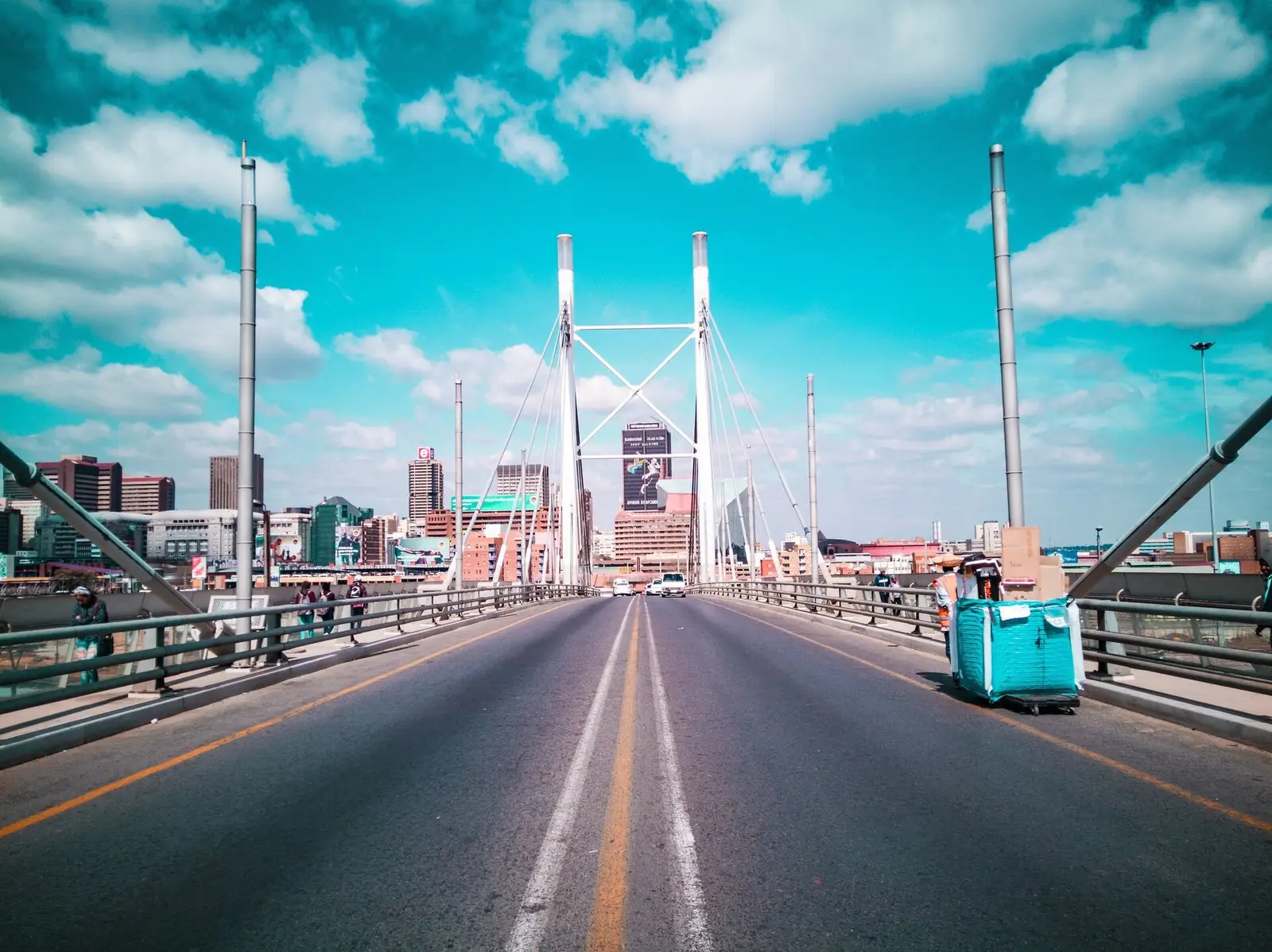
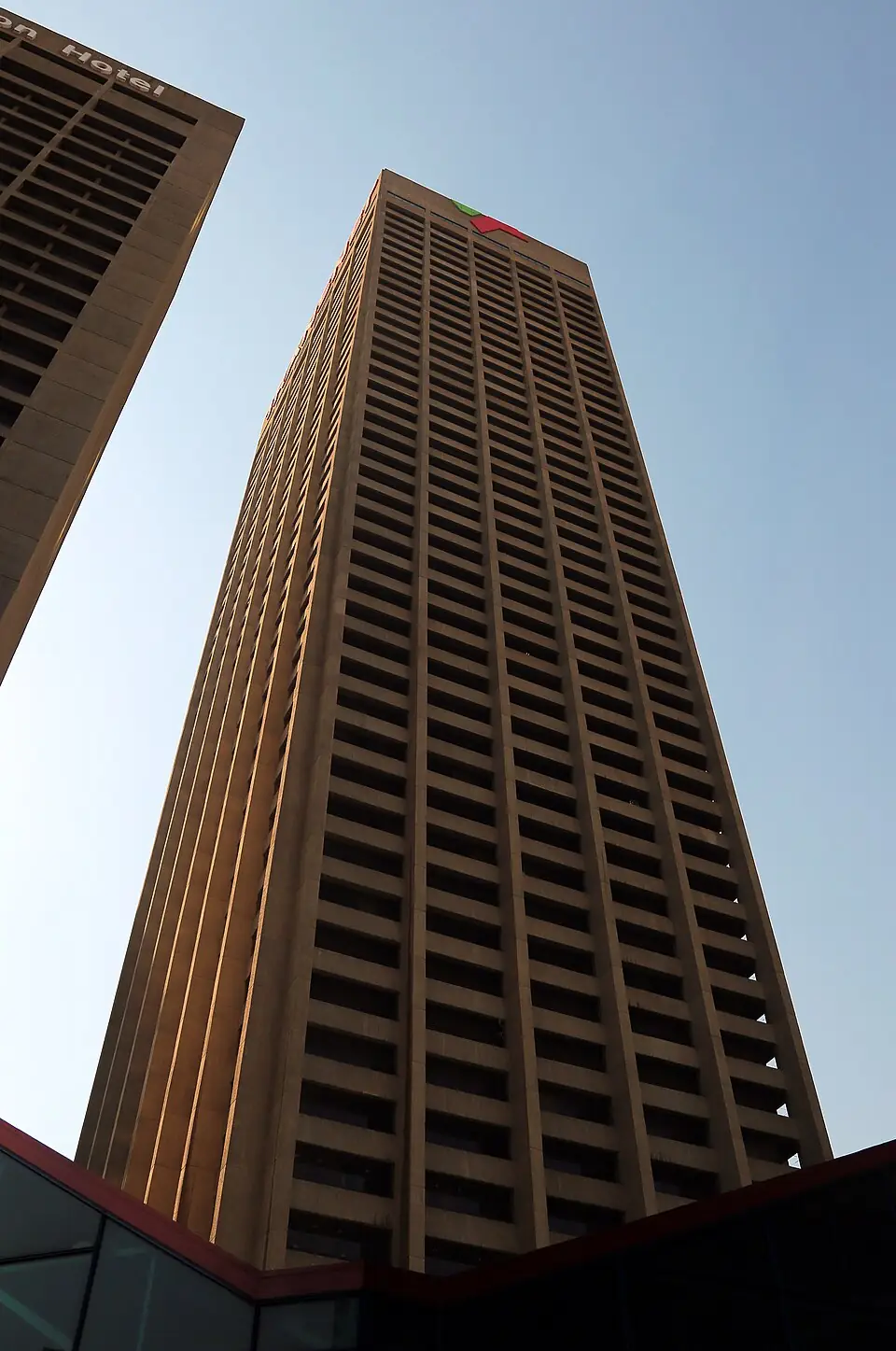
Image credits: Johannesburg CBD cityscape – Evan Bench via Wikimedia Commons, CC BY 2.0; Nelson Mandela Bridge – S’busiso siso via Wikimedia Commons, CC BY-SA 4.0; Carlton Centre tower – flowcomm via Wikimedia Commons, CC BY 2.0.