
Adoption Attorneys in Johannesburg
Children’s Act Chapter 15, From Screening to the Order
The child calls you Mom, answers to your surname at school, and has no legal connection to you on paper: enrolment, passports, medical consent and inheritance all wait on a children’s court order under Chapter 15 of the Children’s Act 38 of 2005. For a birth parent the stakes run the other way: consent, once its sixty days have passed, binds and cannot be taken back.
Otrebski Attorneys handles step-parent, related, foster-carer and non-related adoptions for Johannesburg families, for adoptive and birth parents alike, from our Sandton office.



Book a Consultation
A member of the Otrebski team will respond soon

How Adoption Works Under the Children’s Act
Adoption is a court order, not a family arrangement: it permanently transfers the full bundle of parental responsibilities and rights, severs the legal tie with the birth family, and is granted only where the child’s best interests carry the decision. Chapter 15, sections 228 to 253 of the Children’s Act 38 of 2005, sets every step.
The Johannesburg machinery a family moves through:
- adoptability of the child confirmed
- consent of each parent or guardian
- the child’s consent at 10 or older
- assessment by an adoption social worker
- children’s court application
- 60-day withdrawal window
- adoption recorded in the births register
Section 230 permits adoption only where it serves the child’s best interests, the child is adoptable and the chapter is followed. Section 233 requires consent from each parent, any other guardian and the child, if 10 or older, and a birth parent may withdraw consent within 60 days of signing (section 233(8)). The children’s court for the area where the child is ordinarily resident (section 44) grants the order on an adoption social worker’s report.
Two features derail unprepared families. The assessment must come from an adoption social worker (Department of Social Development, accredited child protection organisation or accredited private practice), so a private arrangement cannot shortcut it, and a report from the wrong source restarts the clock. And adoptable children and prospective parents are recorded on the Register on Adoptable Children and Prospective Adoptive Parents (section 232). Intercountry adoption falls under Chapter 16, a separate regime.
What an Adoption Attorney Does
For adoptive families: confirming adoptability, assembling the application and consents, coordinating the accredited social worker’s screening and report, giving proper notice to an absent parent, and asking the court to dispense with consent only on the defined grounds the Act allows.
For birth parents: separate, independent advice before anything is signed, on the withdrawal window, the effect of the order and any post-adoption contact, so consent is informed and unchallengeable.
The children’s court adopts the child into the family. Until it does, the law has not.
Adopting Within the Family vs Through an Agency
Step-parent and related adoption
The adopter is the spouse or partner of a parent, or a relative of the child, and the child usually already lives in the home; an adoption social worker still assesses the family and reports.
The live issue is the other biological parent’s consent: where that parent is untraceable or has abandoned the child, consent is not required (section 236), and consent unreasonably withheld can be overridden on the child’s best interests (section 241).
Non-related agency adoption
Applicants with no existing relationship with the child are assessed by an adoption social worker and, once registered, recorded on the national register.
Matching depends on the register and the social workers, not the applicants’ preference, so timelines often run a year or more; adopting a child from abroad falls under Chapter 16 and the Hague Convention instead.
| Dimension | Within the family | Through an agency |
|---|---|---|
| Who may adopt | A parent’s spouse or partner, or a relative | Assessed couples and singles on the register |
| The battleground | The other parent’s consent | Register matching and screening |
| Screening | Social worker report on the existing home | Full assessment before matching |
| Typical timeline | Commonly months once consents and reports are in | Often a year or longer |
| Effect of the order | Full parental rights for the adopter; a spouse or partner who is the child’s parent keeps theirs (section 242(2)(e)) | Full parental rights for the adopter; the birth parents’ rights end (section 242) |
The Adoption Process, Step by Step
From first consultation to the new birth certificate.
Form and adoptability
Which adoption this is, whether the child is adoptable under the Act, and which children’s court carries the application (the area where the child is ordinarily resident, section 44).
Assessment by the adoption social worker
An adoption social worker, in the department of social development, an accredited child protection organisation or accredited private practice, assesses the family and reports; this phase, not the hearing, sets the calendar.
Consents taken, or dispensation sought
Each required consent under section 233 is signed before a presiding officer of the children’s court, including the child’s from age 10; where a parent is untraceable or has abandoned or neglected the child, consent is not required (section 236), and unreasonably withheld consent can be overridden (section 241).
Application filed in the children’s court
The application and the social worker’s report are filed in the children’s court for the area where the child is ordinarily resident (section 44), with the provincial head of social development’s recommendation (section 239).
The 60 days and the hearing
Consent can be withdrawn for 60 days after signing (section 233(8)) and the court cannot order the adoption if it has been (section 240(2)); at the hearing the court applies the best-interests factors to the reports before it.
Order and the births register
The order is granted and entered in the adoption register, the adoptive parent applies to Home Affairs to record the adoption and any change of surname in the births register (section 245), and the adoption records remain confidential.
The Johannesburg Adoption Machinery
Adoption matters run through this structure:
- Children’s Courts, Johannesburg district – the forum that grants adoption orders, for the area where the child is ordinarily resident (section 44); every magistrate’s court is a children’s court (section 42(1)).
- Department of Social Development, Gauteng, and accredited child protection organisations – adoption social workers, adoptability reports and the national register for non-related adoptions; accredited private social workers can also assess.
- High Court, Gauteng Division, Johannesburg – upper guardian of all children; appeals and matters the children’s court cannot reach.
Otrebski Attorneys serves Johannesburg adoptive and birth parents from its Sandton office.
How to Choose an Adoption Attorney in Johannesburg
Adoption is decided on reports and consents. Choose a drafter with sensitivity.
- Chapter 15 fluency.Ask directly which consents your matter needs and on what grounds a court may dispense with them; hesitation is a bad sign.
- Children’s court practice.Adoption orders come from the children’s court, not the High Court; the firm should file there routinely.
- Working channels with accredited social workers.Assessments come from adoption social workers in the Department, accredited organisations or accredited private practice; established relationships avoid months of queueing.
- Independent advice for birth parents.Consent should be explained separately and clearly, with the 60-day withdrawal right, before signature.
- Written fees, phase by phase.Screening, reports, court filings and certificate costs disclosed up front in writing.
What Adoption Matters Cost
As a market guide, a step-parent or related adoption commonly runs R15,000–R50,000 in attorney and social-worker fees depending on consents, tracing and reports; non-related adoptions with full screening and register matching run materially higher. Departmental screening is the lower-cost route, at the price of longer queues.
These are market guides, not a quote; social-worker screening, Home Affairs certificate fees and counsel are quoted separately. Otrebski Attorneys scopes each phase in writing before it begins.
Common Mistakes to Avoid
The mistakes that hurt children and families alike:
The Adoption Timeline, Screening to Certificate
What Each Stage Turns On
| Stage | What it turns on |
|---|---|
| Adoptability and form of adoption | Confirmed at the first consultation, with the children’s court district fixed |
| Assessment and report | An adoption social worker (Department, accredited organisation or accredited private practice); the calendar’s real owner |
| Consents | Every parent or guardian, plus the child from age 10, or court dispensation on defined grounds |
| The 60-day window | Withdrawal within 60 days of signing under section 233(8), after which consent is final |
| The hearing | The children’s court applies the best-interests factors to the reports |
| After the order | The adoptive parent applies to Home Affairs to record the adoption in the births register (section 245); records stay confidential |
Frequently Asked Questions
Which court grants adoption orders in Johannesburg?
The children’s court for the area where the child is ordinarily resident (section 44), under Chapter 15 of the Children’s Act 38 of 2005. The High Court remains upper guardian of all children, but the order itself comes from the children’s court.
At what age does a child consent to adoption?
From 10 years old (section 233(1)(c)(i)). A child under 10 must also consent if of an age, maturity and stage of development to understand the implications (section 233(1)(c)(ii)). Younger children’s views are still weighed in the best-interests assessment.
Can a birth parent change their mind?
Yes, for 60 days after signing (section 233(8)); after the sixtieth day the consent is final and the adoption may proceed.
Can we adopt without the father’s consent?
Sometimes. Consent is not required where the parent is mentally incompetent, has abandoned the child or cannot be traced, has abused or deliberately neglected the child, has consistently failed in parental duties for 12 months, or ignores the court’s notice for 30 days (sections 236 and 238). A court may also order the adoption where consent is unreasonably withheld (section 241). The grounds must be shown, not just asserted.
How long does adoption take in Johannesburg?
A related or step-parent adoption commonly completes within months of the consents and screening being in place; non-related adoptions that wait on the national register often run a year or longer. Screening, not the hearing, sets the pace.
Will the child get a new birth certificate?
After the order, the adoptive parent applies to Home Affairs to record the adoption and any change of surname in the births register (section 245), and the child is regarded for all purposes as the adoptive parent’s child (section 242(3)). The adoption records remain confidential.
Can single people and same-sex couples adopt?
Yes. Section 231 allows adoption by spouses, by partners in a permanent domestic life-partnership, by other persons sharing a household as a permanent family unit, and by widowed, divorced or unmarried persons, once assessed as fit and proper. Every application is decided on the child’s best interests.
Can the birth family reclaim the child after the order?
Almost never. The order ends the birth parents’ parental responsibilities and rights, except as the order or a court-confirmed post-adoption agreement provides (section 242). A court can rescind it only within two years, and only if a parent whose consent was required was not asked or the adopter did not qualify (section 243). The real window is the 60 days after signing consent.


The order is what makes the family legal. Get it.
Otrebski Attorneys practises from Office 9th Floor, The Spaces, 5th Street, Sandhurst, Sandton, serving Johannesburg families, with transparent billing and no hidden costs.
Call 060 500 3098
Office hours: Monday to Friday, 08h00 – 17h00 · send a message
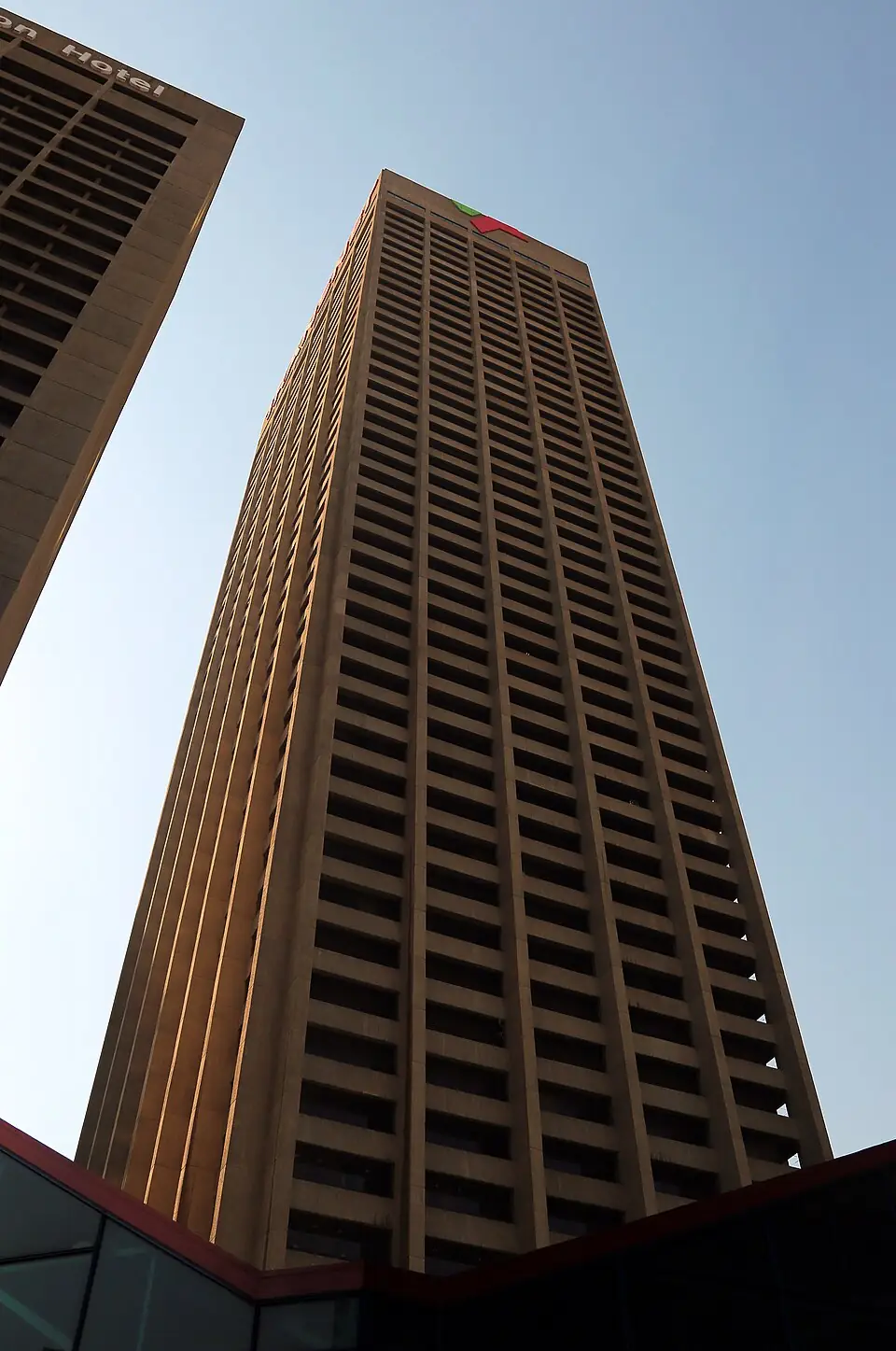
Image credits: Johannesburg CBD cityscape – Evan Bench via Wikimedia Commons, CC BY 2.0; Nelson Mandela Bridge – S’busiso siso via Wikimedia Commons, CC BY-SA 4.0; Carlton Centre tower – flowcomm via Wikimedia Commons, CC BY 2.0.